
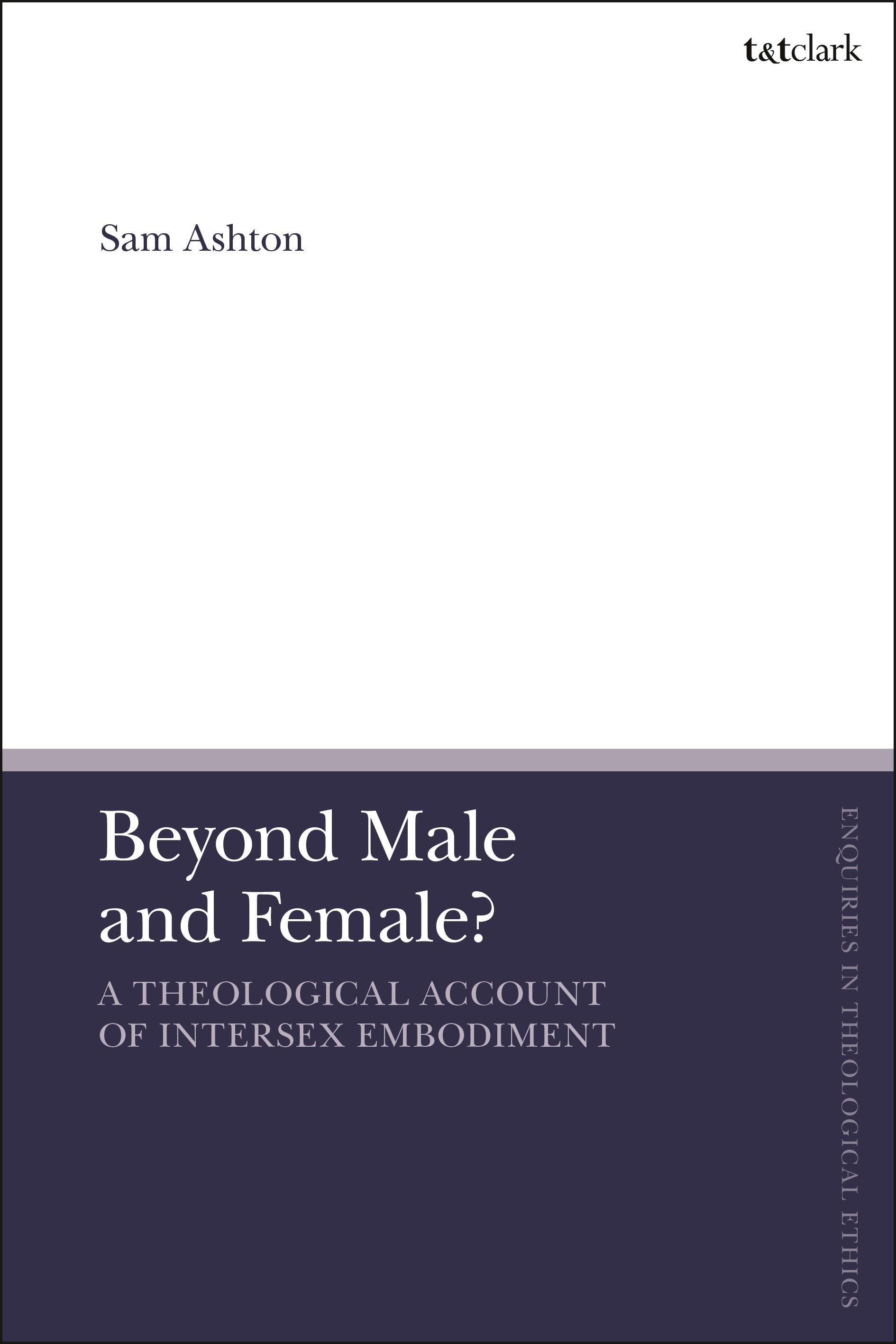
In this incisive work, Sam Ashton provides a compelling, consistent and erudite argument for a foundational approach to the matter of sexual difference, drawing on biblical and doctrinal material and using resources in their original languages. He tracks and traces the sexed body as it moves from creation, through the fall, to redemption “now,” and final consummation “not yet.” In doing so, Ashton presents what is perhaps the strongest case that can be made for 'male and female He created them'.
Each chapter privileges biblical exegesis, drawing upon figures in church history (notably Augustine and Aquinas) as and when they illumine Scripture. By doing so, the book considers the difficulty presented to sexual dimorphism by the phenomenon of intersex. Ashton seeks to develop an understanding that is generous, inclusive and affirming, so he works carefully through the writings of Thatcher, Song and Cornwall in a way that invites engagement and dialogue.
With the complete divine drama in view, the book offers synthetic judgments about what remains essential for the “structure” of the sexed body as it travels through history and what may be accidental to the sexed body's “direction” within a particular theo-dramatic act. Ashton concludes by considering ways to transition from dogmatic judgments about intersexuality to the moral-pastoral care of concrete intersex individuals, briefly thinking about the complex matter of marriage.
Each chapter privileges biblical exegesis, drawing upon figures in church history (notably Augustine and Aquinas) as and when they illumine Scripture. By doing so, the book considers the difficulty presented to sexual dimorphism by the phenomenon of intersex. Ashton seeks to develop an understanding that is generous, inclusive and affirming, so he works carefully through the writings of Thatcher, Song and Cornwall in a way that invites engagement and dialogue.
With the complete divine drama in view, the book offers synthetic judgments about what remains essential for the “structure” of the sexed body as it travels through history and what may be accidental to the sexed body's “direction” within a particular theo-dramatic act. Ashton concludes by considering ways to transition from dogmatic judgments about intersexuality to the moral-pastoral care of concrete intersex individuals, briefly thinking about the complex matter of marriage.
Zahle einfach mit Karte, Klarna, Apple Pay oder Google Pay. Nicht zufrieden? Du hast immer ein 14-tägiges Widerrufsrecht. Lies mehr in unseren AGB. Hast du Fragen, schreib uns eine E-Mail an hello@memmo.org.
Memmo macht das Lernen einfacher – wo auch immer du bist. Bei uns findest du deine Kursbücher und smarte Lerntools an einem Ort: Zusammenfassungen, Quizzes, Podcasts und Lernkarten. Und Ted, dein Lernbuddy, beantwortet alles, was du wissen möchtest. Über 50.000 Studierende lernen bereits hier – gemacht, damit du schneller lernst und weniger Stress hast.