
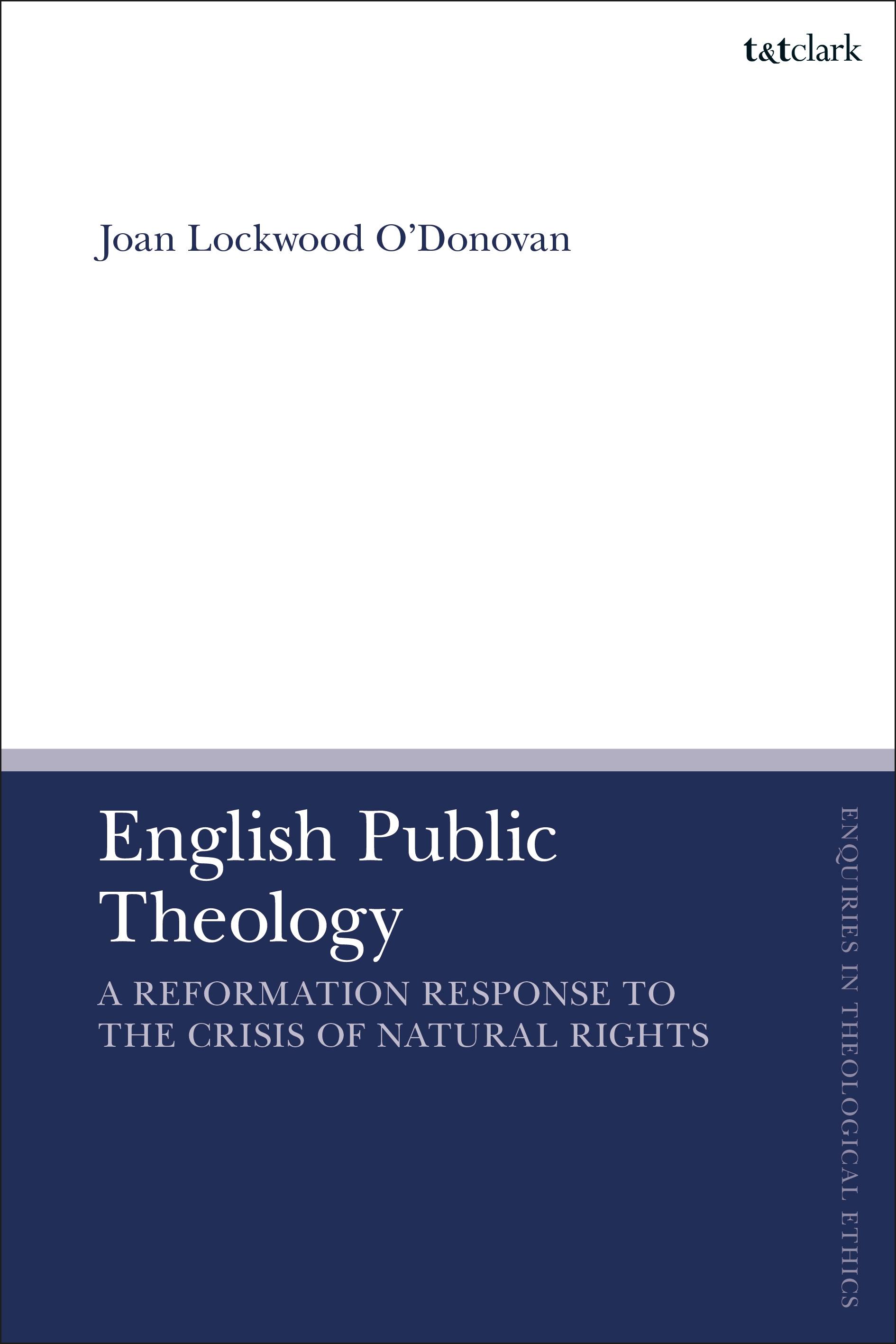
This study commends the public theology of the English Reformation as a fruitful though neglected resource for a critical analysis of the contradictions of freedom that riddle late-modern liberal democracies and a constructive response to them. Drawn from the key legal, liturgical, homiletic and confessional elements of the English Reformation, this foundational Anglican tradition provides a theological vantage point for understanding current moral and political impasses in the western legacy of natural rights.
The extensive development of natural rights in pre-modern scholastic theory and practice and its continuity with theoretical development from the 17th century onward make the Reformers' criticisms of scholastic moral, political, and ecclesial thought germane to identifying the problematic features of the prevailing modern tradition and to furnishing a theological alternative to them. These features are: an individualistic and voluntarist conception of moral agency, a regulative and juridical orientation to human relationships, and an anthropocentric concentration on human rather than on divine right, judgement, and freedom. The humanity they portray is detached from its created ordering to Christological perfection and bound within a self-enclosed ethical and political self-understanding. This is effectively countered by the English reformers' presentation of the salvation of creation in Christ, faith working through love, the spiritual fellowship of the church, and the provisional character of political jurisdiction.
The extensive development of natural rights in pre-modern scholastic theory and practice and its continuity with theoretical development from the 17th century onward make the Reformers' criticisms of scholastic moral, political, and ecclesial thought germane to identifying the problematic features of the prevailing modern tradition and to furnishing a theological alternative to them. These features are: an individualistic and voluntarist conception of moral agency, a regulative and juridical orientation to human relationships, and an anthropocentric concentration on human rather than on divine right, judgement, and freedom. The humanity they portray is detached from its created ordering to Christological perfection and bound within a self-enclosed ethical and political self-understanding. This is effectively countered by the English reformers' presentation of the salvation of creation in Christ, faith working through love, the spiritual fellowship of the church, and the provisional character of political jurisdiction.
Zahle einfach mit Karte, Klarna, Apple Pay oder Google Pay. Nicht zufrieden? Du hast immer ein 14-tägiges Widerrufsrecht. Lies mehr in unseren AGB. Hast du Fragen, schreib uns eine E-Mail an hello@memmo.org.
Memmo macht das Lernen einfacher – wo auch immer du bist. Bei uns findest du deine Kursbücher und smarte Lerntools an einem Ort: Zusammenfassungen, Quizzes, Podcasts und Lernkarten. Und Ted, dein Lernbuddy, beantwortet alles, was du wissen möchtest. Über 50.000 Studierende lernen bereits hier – gemacht, damit du schneller lernst und weniger Stress hast.