
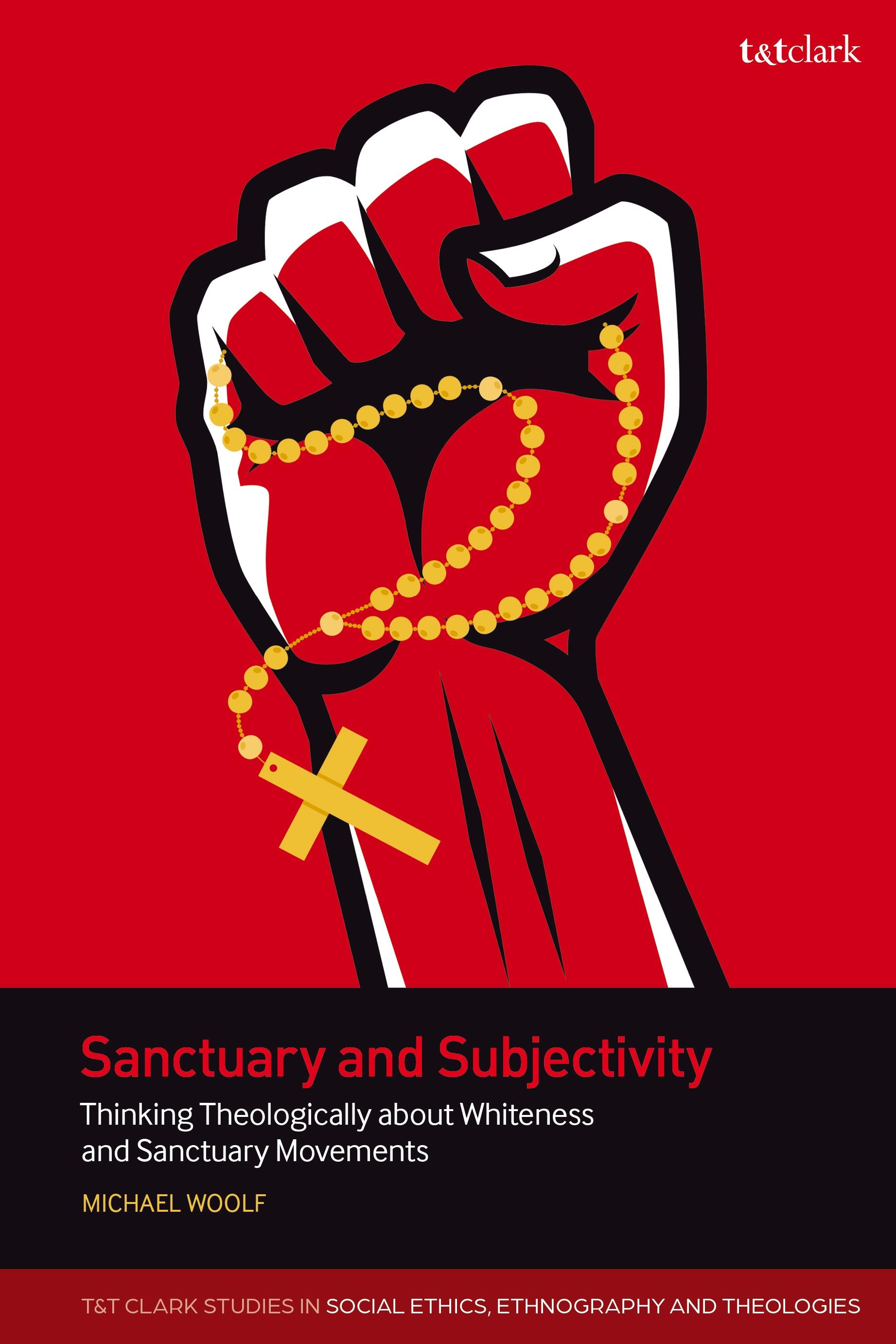
The Sanctuary Movement of the 1980s was a movement led by white religious liberals that housed Central Americans fleeing dictatorships supported by the United States government, giving them a platform to speak about the situation in their countries of origin.
This book focuses on the movement's whiteness by centering the voices of recipients of sanctuary and taking their critiques seriously. The result is an account of the movement that takes seriously the agential limitations of sanctuary and the struggles for agency by recipients.
Using interviews with participants in the movement as well auto-ethnographic research as the white pastor of a church in the New Sanctuary Movement, this book situates the sanctuary as site for theological reflection on some of the most pressing issues facing the Church today – the possibilities of testimony, the Holy Spirit, ecclesiology, and mercy. In doing so, it proposes a new theoretical framework for thinking about practice by introducing readers to Judith Butler's theories of subjectivation and arguing for ethnographically engaged theology that is able to think beyond virtue and excellence towards an understanding of fugitivity.
This book focuses on the movement's whiteness by centering the voices of recipients of sanctuary and taking their critiques seriously. The result is an account of the movement that takes seriously the agential limitations of sanctuary and the struggles for agency by recipients.
Using interviews with participants in the movement as well auto-ethnographic research as the white pastor of a church in the New Sanctuary Movement, this book situates the sanctuary as site for theological reflection on some of the most pressing issues facing the Church today – the possibilities of testimony, the Holy Spirit, ecclesiology, and mercy. In doing so, it proposes a new theoretical framework for thinking about practice by introducing readers to Judith Butler's theories of subjectivation and arguing for ethnographically engaged theology that is able to think beyond virtue and excellence towards an understanding of fugitivity.
Zahle einfach mit Karte, Klarna, Apple Pay oder Google Pay. Nicht zufrieden? Du hast immer ein 14-tägiges Widerrufsrecht. Lies mehr in unseren AGB. Hast du Fragen, schreib uns eine E-Mail an hello@memmo.org.
Memmo macht das Lernen einfacher – wo auch immer du bist. Bei uns findest du deine Kursbücher und smarte Lerntools an einem Ort: Zusammenfassungen, Quizzes, Podcasts und Lernkarten. Und Ted, dein Lernbuddy, beantwortet alles, was du wissen möchtest. Über 50.000 Studierende lernen bereits hier – gemacht, damit du schneller lernst und weniger Stress hast.