
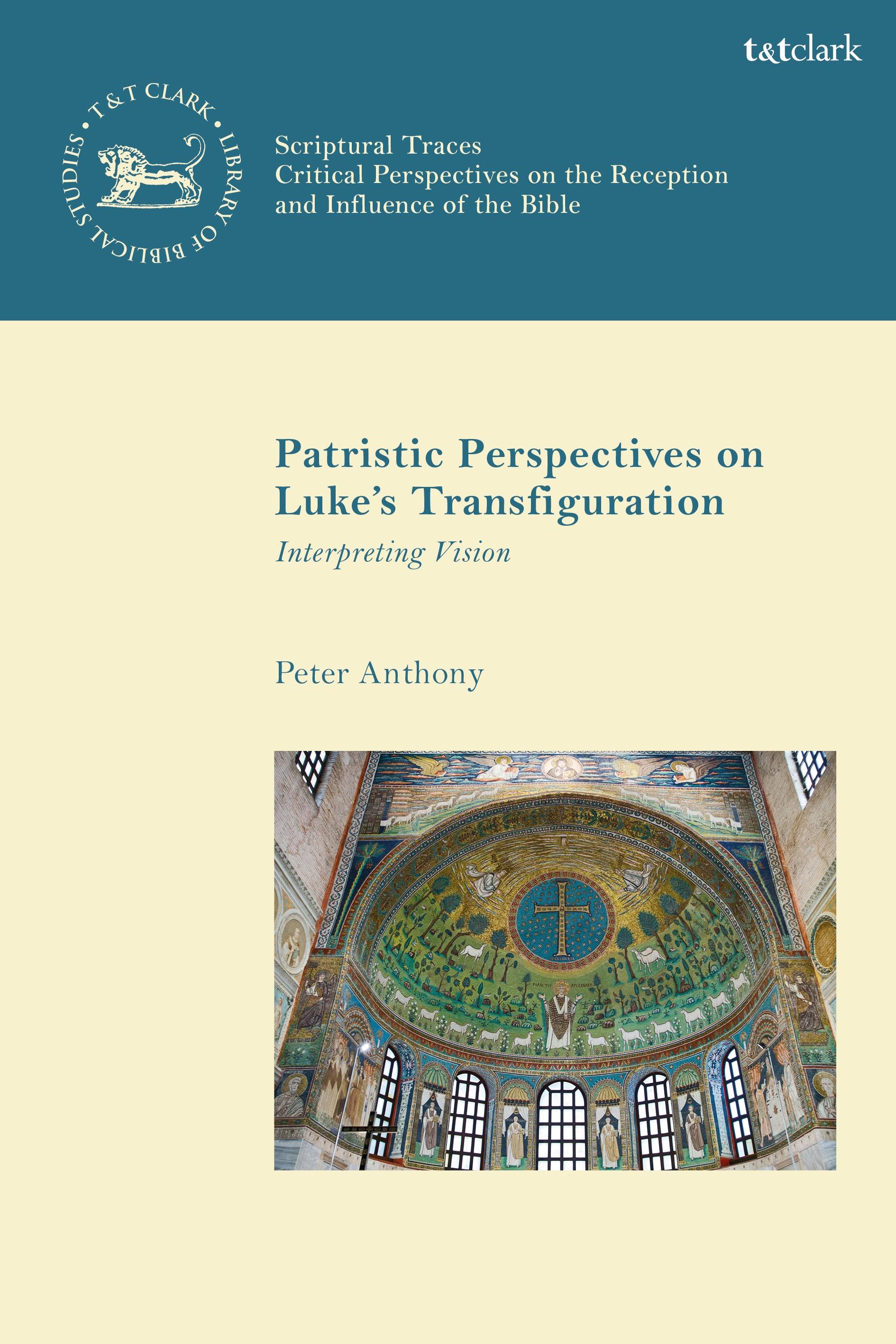
Peter Anthony explores how visionary elements in Luke's Gospel had a particular influence on early interpretation of the Transfiguration, by examining the rich hermeneutical traditions that emerged - particularly in the Latin West - as the Transfiguration was first depicted visually in art.
Anthony begins by comparing the visual and visionary culture of antiquity with that of the present, and their differing interpretations of the Transfiguration. He then examines the Transfiguration texts in the synoptic gospels and their interpretation in modern scholarship, and the reception of the Transfiguration in 2 Peter, the Apocalypse of Peter and the Acts of Peter, Tertullian and Origen. Proceeding to look at interpretations found in the Greek East and the Latin West, Anthony finally discusses the earliest visual depictions of the Transfiguration from the sixth century onward, drawn from a wealth of different art forms. Anthony concludes that early commentators' and artists' understanding of how we see and visualise, and therefore, how the Transfiguration was apprehended, is closer to that of the writers of the New Testament than many modern interpreters' is.
Anthony begins by comparing the visual and visionary culture of antiquity with that of the present, and their differing interpretations of the Transfiguration. He then examines the Transfiguration texts in the synoptic gospels and their interpretation in modern scholarship, and the reception of the Transfiguration in 2 Peter, the Apocalypse of Peter and the Acts of Peter, Tertullian and Origen. Proceeding to look at interpretations found in the Greek East and the Latin West, Anthony finally discusses the earliest visual depictions of the Transfiguration from the sixth century onward, drawn from a wealth of different art forms. Anthony concludes that early commentators' and artists' understanding of how we see and visualise, and therefore, how the Transfiguration was apprehended, is closer to that of the writers of the New Testament than many modern interpreters' is.
Zahle einfach mit Karte, Klarna, Apple Pay oder Google Pay. Nicht zufrieden? Du hast immer ein 14-tägiges Widerrufsrecht. Lies mehr in unseren AGB. Hast du Fragen, schreib uns eine E-Mail an hello@memmo.org.
Memmo macht das Lernen einfacher – wo auch immer du bist. Bei uns findest du deine Kursbücher und smarte Lerntools an einem Ort: Zusammenfassungen, Quizzes, Podcasts und Lernkarten. Und Ted, dein Lernbuddy, beantwortet alles, was du wissen möchtest. Über 50.000 Studierende lernen bereits hier – gemacht, damit du schneller lernst und weniger Stress hast.