
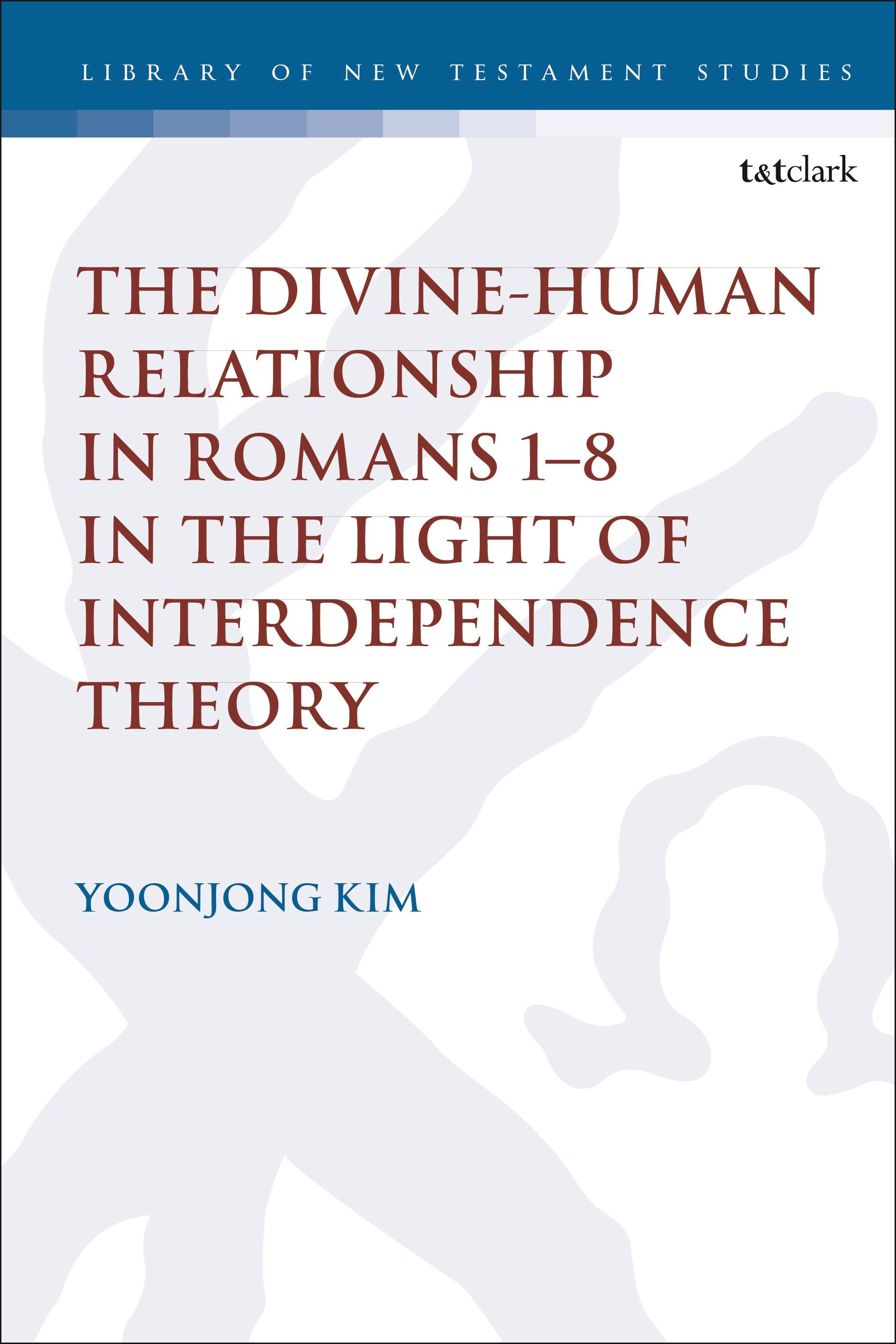
Yoonjong Kim analyses the divine-human relationship in Paul's theology, focusing on Paul's portrayal of the relationship in Romans 1–8. Kim stresses that previous studies of this relationship have not paid sufficient attention to the fact that it is not static, but rather exhibits progression and development towards a goal. To address the significance of the human agent's role in the relationship, Kim employs a social psychological theory – interdependence theory – offering a consistent analytic framework for diagnosing the interactions in a dyadic relationship in terms of the dependency created by each partner's expectations of outcomes.
Kim explores several key stages of the divine-human relationship and the direction in which the relationship develops throughout Romans 1–8, in order to highlight the significance of the human partners in the course of the development. He focuses in particular on betrayal (1.18–3.20), restoration (3.21–26; 5.1–11), the oppressive relationship with Sin (5.12–8.11), and the investment for the future (8.12–39), and concludes that although the foundation of the relationship rests on God's initiative, the divine outworking guides the relationship so that it facilitates mutual participation of the human partners in the restoration and development of the relationship toward the ultimate goal.
Kim explores several key stages of the divine-human relationship and the direction in which the relationship develops throughout Romans 1–8, in order to highlight the significance of the human partners in the course of the development. He focuses in particular on betrayal (1.18–3.20), restoration (3.21–26; 5.1–11), the oppressive relationship with Sin (5.12–8.11), and the investment for the future (8.12–39), and concludes that although the foundation of the relationship rests on God's initiative, the divine outworking guides the relationship so that it facilitates mutual participation of the human partners in the restoration and development of the relationship toward the ultimate goal.
Zahle einfach mit Karte, Klarna, Apple Pay oder Google Pay. Nicht zufrieden? Du hast immer ein 14-tägiges Widerrufsrecht. Lies mehr in unseren AGB. Hast du Fragen, schreib uns eine E-Mail an hello@memmo.org.
Memmo macht das Lernen einfacher – wo auch immer du bist. Bei uns findest du deine Kursbücher und smarte Lerntools an einem Ort: Zusammenfassungen, Quizzes, Podcasts und Lernkarten. Und Ted, dein Lernbuddy, beantwortet alles, was du wissen möchtest. Über 50.000 Studierende lernen bereits hier – gemacht, damit du schneller lernst und weniger Stress hast.