
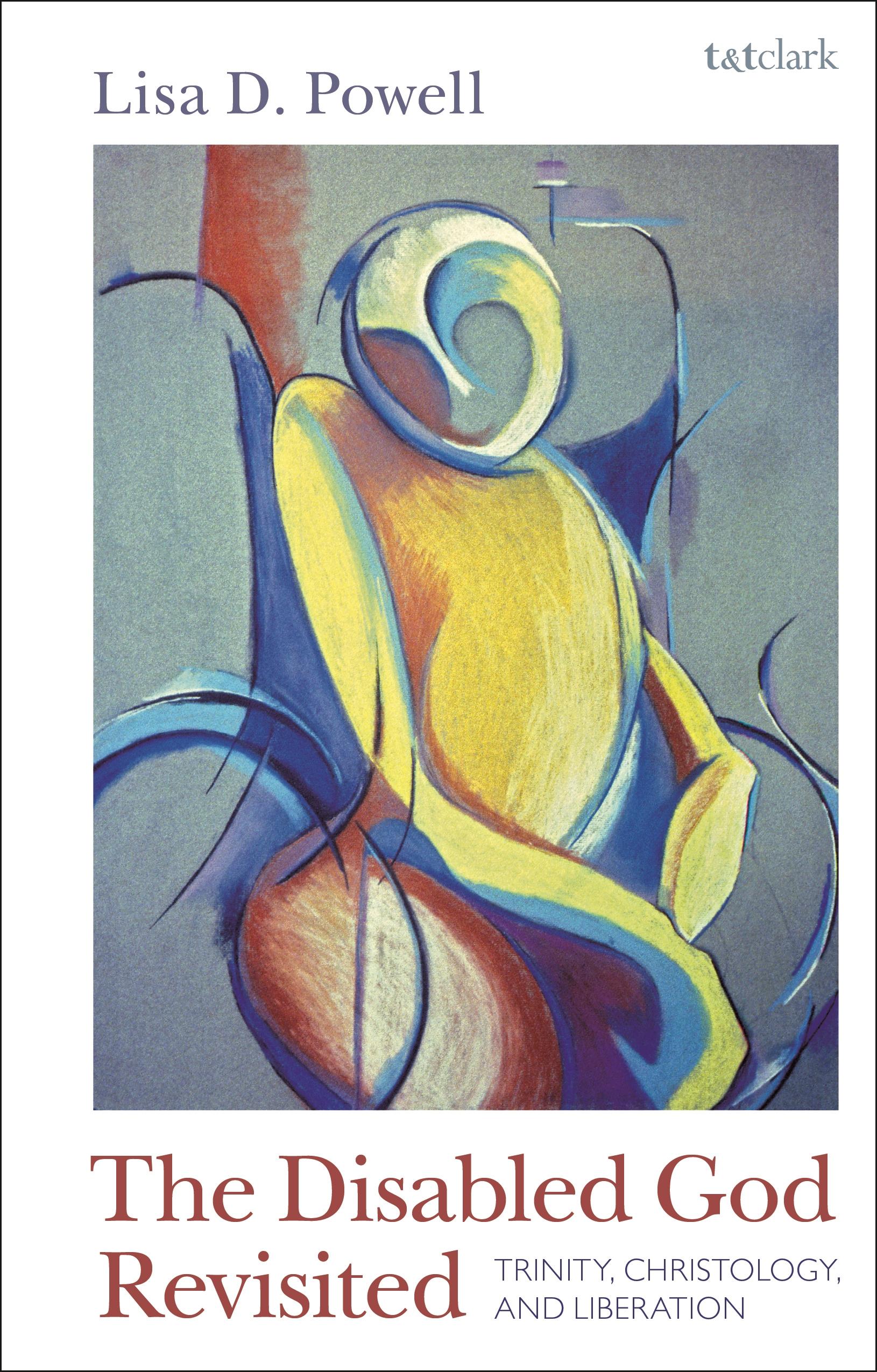
Lisa D. Powell strengthens and amplifies the claim that God is disabled, made by Nancy Eiesland in her ground breaking book The Disabled God (1994). She offers an alternative understanding of the doctrine of God and the Trinity, resulting in a God who is not autonomous and utterly independent. According to this view, God's triune identity is established in God's decision for covenant, and thus creation is a requirement for the fulfillment of God's nature - not only is the Son always anticipating full embodiment and human nature, but more specifically is eternally anticipating an impaired body. Powell argues that God is not only interdependent within the immanent Trinity, but God experiences real dependency, risk and vulnerability from God's “original” self-determination.
Powell revisits Eiesland's claim about Christ's resurrected body and her conclusions about eschatological embodiment, arguing that it is the able-body that does not persist eschatologically, but all humanity journeys toward ever more transparency, vulnerability and interdependency as the Body of Christ.
Powell revisits Eiesland's claim about Christ's resurrected body and her conclusions about eschatological embodiment, arguing that it is the able-body that does not persist eschatologically, but all humanity journeys toward ever more transparency, vulnerability and interdependency as the Body of Christ.
Zahle einfach mit Karte, Klarna, Apple Pay oder Google Pay. Nicht zufrieden? Du hast immer ein 14-tägiges Widerrufsrecht. Lies mehr in unseren AGB. Hast du Fragen, schreib uns eine E-Mail an hello@memmo.org.
Memmo macht das Lernen einfacher – wo auch immer du bist. Bei uns findest du deine Kursbücher und smarte Lerntools an einem Ort: Zusammenfassungen, Quizzes, Podcasts und Lernkarten. Und Ted, dein Lernbuddy, beantwortet alles, was du wissen möchtest. Über 50.000 Studierende lernen bereits hier – gemacht, damit du schneller lernst und weniger Stress hast.