
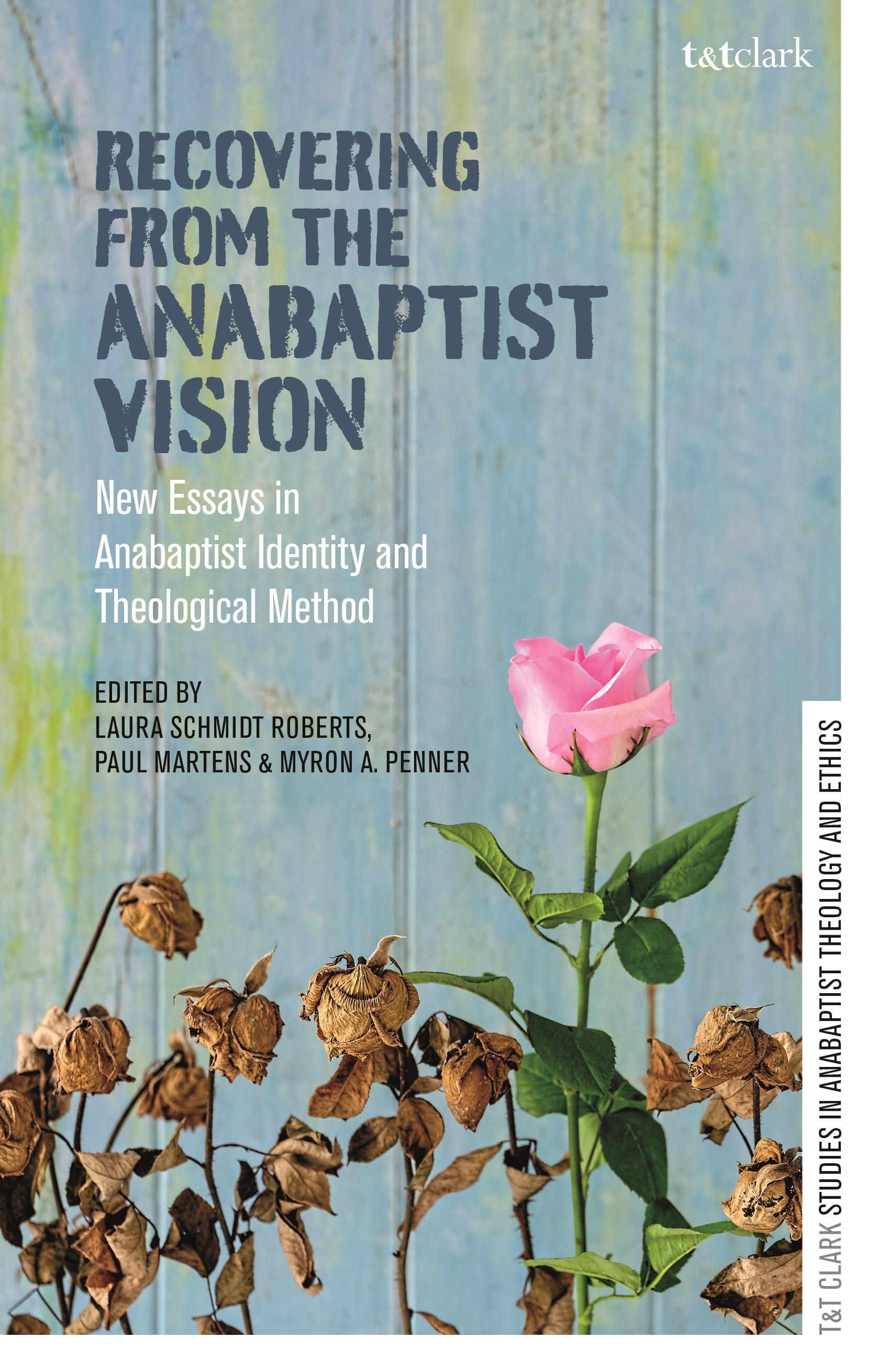
This volume performs a critical and vibrant reconstruction of Anabaptist identity and theological method, in the wake of the recent revelations of the depth of the sexual abuse perpetrated by the most influential Anabaptist theologian of the 20th century, John Howard Yoder. In an attempt to liberate Anabaptist theology and identity from the constricting vision appropriated and reformulated by Yoder, these essays refuse the determinative categories of the last half century supplied by and carried beyond Harold Bender's The Anabaptist Vision.
While still under the shadow of decades of trauma, a recontexualized conversation about Anabaptist theology and identity emerges in this volume that is ecumenically engaged, philosophically astute, psychologically attuned, and resolutely vulnerable. The volume offers a Trinitarian and Christological framework that holds together the importance of Scripture, tradition, and the lived experience of the Christian community, as the contributors examine a wide variety of issues such as Mennonite feminism, Anabaptist queer theology, and Mennonite theological methods. These essays interrogate the operations of power, violence, exclusion, and privilege in methodology in this changed context, offering self-critical constructive alternatives for articulating Anabaptist theology and identity.
While still under the shadow of decades of trauma, a recontexualized conversation about Anabaptist theology and identity emerges in this volume that is ecumenically engaged, philosophically astute, psychologically attuned, and resolutely vulnerable. The volume offers a Trinitarian and Christological framework that holds together the importance of Scripture, tradition, and the lived experience of the Christian community, as the contributors examine a wide variety of issues such as Mennonite feminism, Anabaptist queer theology, and Mennonite theological methods. These essays interrogate the operations of power, violence, exclusion, and privilege in methodology in this changed context, offering self-critical constructive alternatives for articulating Anabaptist theology and identity.
Zahle einfach mit Karte, Klarna, Apple Pay oder Google Pay. Nicht zufrieden? Du hast immer ein 14-tägiges Widerrufsrecht. Lies mehr in unseren AGB. Hast du Fragen, schreib uns eine E-Mail an hello@memmo.org.
Memmo macht das Lernen einfacher – wo auch immer du bist. Bei uns findest du deine Kursbücher und smarte Lerntools an einem Ort: Zusammenfassungen, Quizzes, Podcasts und Lernkarten. Und Ted, dein Lernbuddy, beantwortet alles, was du wissen möchtest. Über 50.000 Studierende lernen bereits hier – gemacht, damit du schneller lernst und weniger Stress hast.