
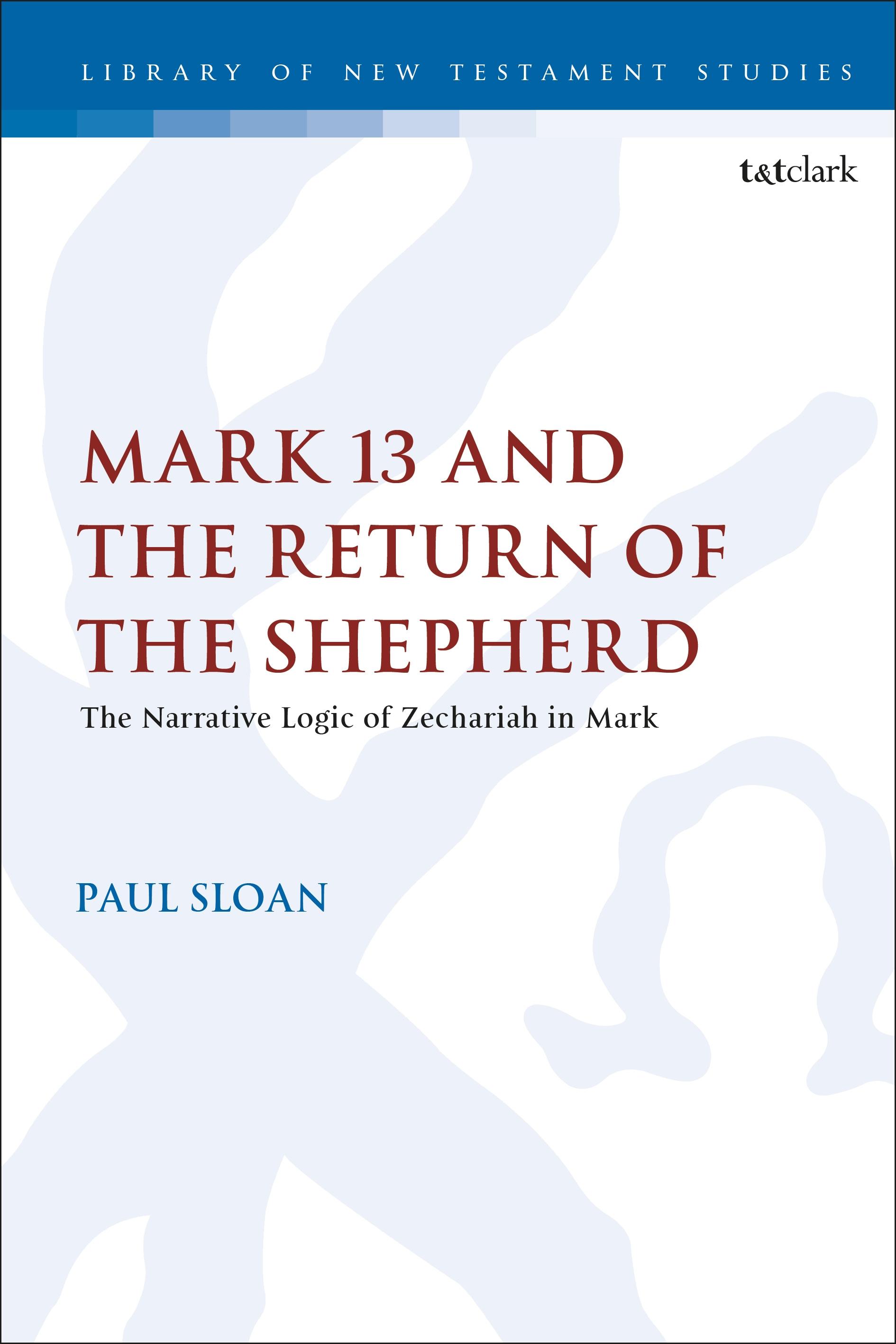
Paul T. Sloan presents a detailed interpretation of Mark's Olivet Discourse in light of the Gospel's many allusions to the book of Zechariah, and argues that previous studies have rightly demonstrated the influence of Zechariah 9–14 on the Passion Narratives. Sloan shows that this influence is not merely confined to Mark's description of Jesus' final week, but also permeates much of his narrative; informing the Gospel's presentation of Jesus' royal identity, his action in the temple, the role of suffering in the bringing of God's kingdom, and the arrangement and interpretation of the Olivet Discourse.
Sloan begins with an extensive review of scholarship on the presence of Zechariah in Mark before analyzing the reception of relevant texts from Zechariah in Second Temple literature. He proceeds to a fresh examination of potential allusions to Zechariah throughout Mark, focusing especially on Mark's use of Zechariah 13:7 and 14:5. In addition to influencing significant themes in Mark's Gospel, Sloan argues that Zechariah provides a helpful framework by which to interpret Mark 13, offering a potential solution to a notorious crux interpretum, namely, why Jesus answers a question about the temple with reference to the coming of the son of man.
Sloan begins with an extensive review of scholarship on the presence of Zechariah in Mark before analyzing the reception of relevant texts from Zechariah in Second Temple literature. He proceeds to a fresh examination of potential allusions to Zechariah throughout Mark, focusing especially on Mark's use of Zechariah 13:7 and 14:5. In addition to influencing significant themes in Mark's Gospel, Sloan argues that Zechariah provides a helpful framework by which to interpret Mark 13, offering a potential solution to a notorious crux interpretum, namely, why Jesus answers a question about the temple with reference to the coming of the son of man.
Zahle einfach mit Karte, Klarna, Apple Pay oder Google Pay. Nicht zufrieden? Du hast immer ein 14-tägiges Widerrufsrecht. Lies mehr in unseren AGB. Hast du Fragen, schreib uns eine E-Mail an hello@memmo.org.
Memmo macht das Lernen einfacher – wo auch immer du bist. Bei uns findest du deine Kursbücher und smarte Lerntools an einem Ort: Zusammenfassungen, Quizzes, Podcasts und Lernkarten. Und Ted, dein Lernbuddy, beantwortet alles, was du wissen möchtest. Über 50.000 Studierende lernen bereits hier – gemacht, damit du schneller lernst und weniger Stress hast.