
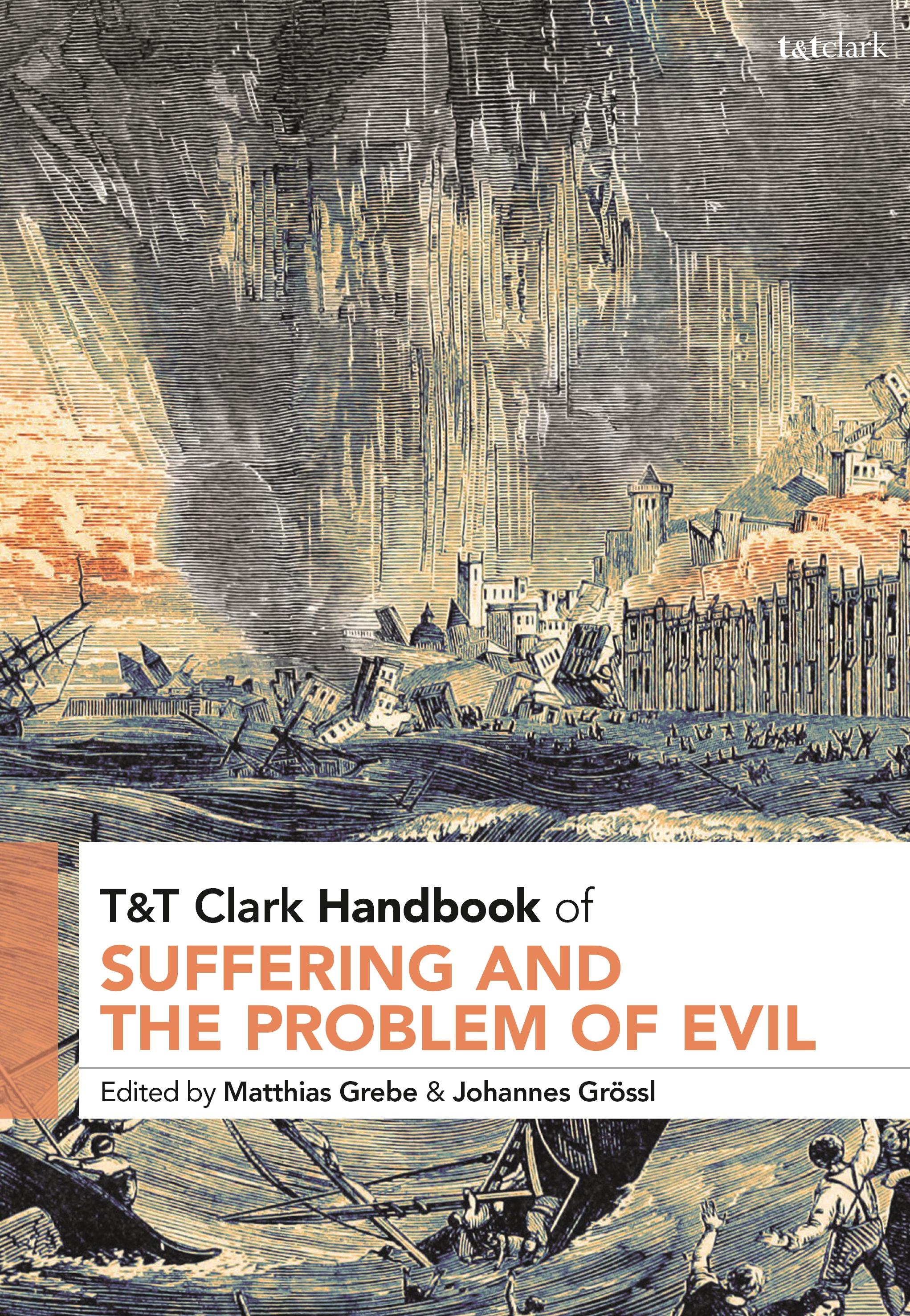
This wide-ranging work provides an extensive exploration of the theology of theodicy, asking questions such as: should all instances of suffering necessarily be understood as evil? Why would an omnipotent and benevolent God allow or perpetrate evil? Is God unable or unwilling to reduce human and non-human suffering on Earth? Does humanity have the capacity to exercise a moral evaluation of God's motives and intentions?
Conventional disciplinary boundaries have tended to separate theological approaches to these questions from philosophical ones. This volume aims to overcome these boundaries by including biblical (Part I), historical (Part II), doctrinal (Part III), philosophical (Part IV), and pastoral, interreligious perspectives and alternative intersections (Part V) on theodicy.
Authors include thinkers from analytic and continental traditions, multiple Christian denominations and other religions, and both established and younger scholars, providing a full variety of approaches. What unites the essays is an attempt to answer these questions from the perspective of biblical testimony, historical scholarship, modern theological and philosophical thinking about the concept of God, non-Christian religions, science and the arts. The result is a combination of in-depth analysis and breadth of scope, making this a benchmark work for further studies in the theology of suffering and evil.
Conventional disciplinary boundaries have tended to separate theological approaches to these questions from philosophical ones. This volume aims to overcome these boundaries by including biblical (Part I), historical (Part II), doctrinal (Part III), philosophical (Part IV), and pastoral, interreligious perspectives and alternative intersections (Part V) on theodicy.
Authors include thinkers from analytic and continental traditions, multiple Christian denominations and other religions, and both established and younger scholars, providing a full variety of approaches. What unites the essays is an attempt to answer these questions from the perspective of biblical testimony, historical scholarship, modern theological and philosophical thinking about the concept of God, non-Christian religions, science and the arts. The result is a combination of in-depth analysis and breadth of scope, making this a benchmark work for further studies in the theology of suffering and evil.
Zahle einfach mit Karte, Klarna, Apple Pay oder Google Pay. Nicht zufrieden? Du hast immer ein 14-tägiges Widerrufsrecht. Lies mehr in unseren AGB. Hast du Fragen, schreib uns eine E-Mail an hello@memmo.org.
Memmo macht das Lernen einfacher – wo auch immer du bist. Bei uns findest du deine Kursbücher und smarte Lerntools an einem Ort: Zusammenfassungen, Quizzes, Podcasts und Lernkarten. Und Ted, dein Lernbuddy, beantwortet alles, was du wissen möchtest. Über 50.000 Studierende lernen bereits hier – gemacht, damit du schneller lernst und weniger Stress hast.