
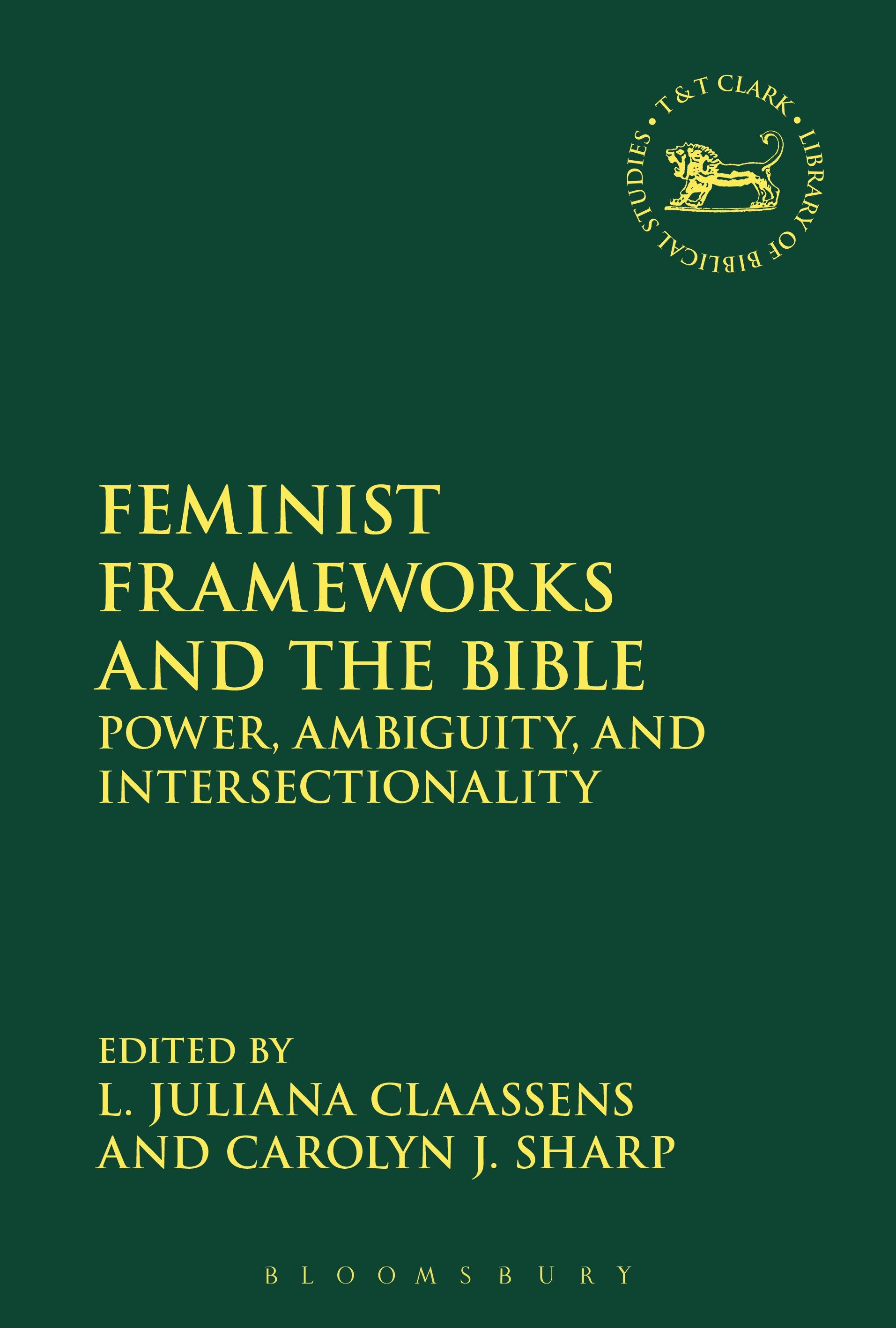
This volume on intercultural biblical interpretation includes essays by feminist scholars from Botswana, Germany, New Zealand, Nigeria, South Africa, and the United States. Reading from a rich variety of socio-cultural locations, contributors present their hermeneutical frameworks for interpretation of Hebrew Bible texts, each framework grounded in the writer's journey of professional or social formation and serving as a prism or optic for feminist critical analysis.
The volume hosts a lively conversation about the nature and significance of biblical interpretation in a global context, focusing on issues at the nexus of operations of power, textual ambiguity, and intersectionality. Engaged here are notions of biblical authority and postures of dissent; women's agency, discernment, rivalry, and alliance in ancient and contemporary contexts; ideological constructions of sexuality and power; interpretations related to indigeneity, racial identity, interethnic intimacy, and violence in colonial contexts; theologies of the feminine divine and feminist understandings of the sacred; convictions about interdependence and conditions of flourishing for all beings in creation; and ethics of resistance positioned over against dehumanization in political, theological, and hermeneutical praxes. Through their textual and contextual engagements, contributors articulate a broad spectrum of feminist insights into the possibilities for emancipatory visions of community.
The volume hosts a lively conversation about the nature and significance of biblical interpretation in a global context, focusing on issues at the nexus of operations of power, textual ambiguity, and intersectionality. Engaged here are notions of biblical authority and postures of dissent; women's agency, discernment, rivalry, and alliance in ancient and contemporary contexts; ideological constructions of sexuality and power; interpretations related to indigeneity, racial identity, interethnic intimacy, and violence in colonial contexts; theologies of the feminine divine and feminist understandings of the sacred; convictions about interdependence and conditions of flourishing for all beings in creation; and ethics of resistance positioned over against dehumanization in political, theological, and hermeneutical praxes. Through their textual and contextual engagements, contributors articulate a broad spectrum of feminist insights into the possibilities for emancipatory visions of community.
Zahle einfach mit Karte, Klarna, Apple Pay oder Google Pay. Nicht zufrieden? Du hast immer ein 14-tägiges Widerrufsrecht. Lies mehr in unseren AGB. Hast du Fragen, schreib uns eine E-Mail an hello@memmo.org.
Memmo macht das Lernen einfacher – wo auch immer du bist. Bei uns findest du deine Kursbücher und smarte Lerntools an einem Ort: Zusammenfassungen, Quizzes, Podcasts und Lernkarten. Und Ted, dein Lernbuddy, beantwortet alles, was du wissen möchtest. Über 50.000 Studierende lernen bereits hier – gemacht, damit du schneller lernst und weniger Stress hast.