
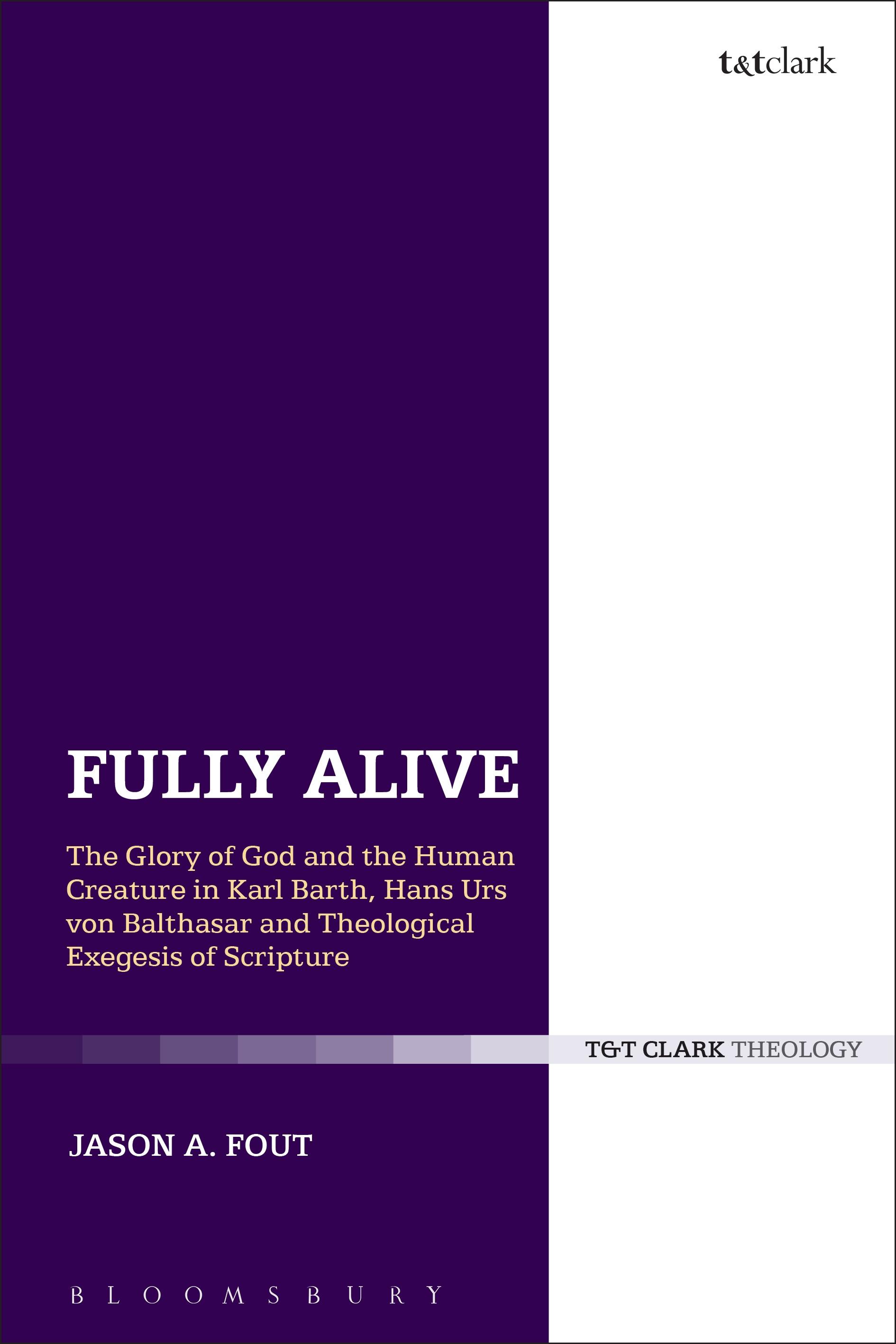
Numerous contemporary theologians depict divine glory as overwhelming to or competitive with human agency. In effect, this makes humanity a threat to God's glory, and causes God's glory to remain opaque to human enquiry and foreign to human life.
Karl Barth and Hans Urs von Balthasar have avoided this tendency, instead depicting God's glory as enabling people to participate in glorifying God. Nevertheless both accounts fall short of their initial promise by giving one-dimensional accounts of human obedience to God within largely conventional divine command accounts of ethics. The form of human obedience they present as compatible with divine glory does not actively overwhelm the human, but rather brackets out her agency as inappropriate in the face of divine revelation or command. And so, ironically, on these accounts God's glory remains opaque to human enquiry and foreign to human life.
This study builds a case for seeing divine glory as intrinsically relational, creating a sociality which allows for a human agency transfigured by God's glory. Moving beyond Barth and von Balthasar, this work turns to theological exegesis of Scripture to construct an alternative account of divine glory. This glory is worked out in the act of glorifying: first in God, then in divine glorifying of humans, creating a responsive human glorifying of God; and finally in processes of honouring or glorifying among humans. Divine glory is shown to be consistent with a responsive and creative human obedience to God, and shown to constitute human agency which is creaturely and dependent yet not overwhelmed.
Karl Barth and Hans Urs von Balthasar have avoided this tendency, instead depicting God's glory as enabling people to participate in glorifying God. Nevertheless both accounts fall short of their initial promise by giving one-dimensional accounts of human obedience to God within largely conventional divine command accounts of ethics. The form of human obedience they present as compatible with divine glory does not actively overwhelm the human, but rather brackets out her agency as inappropriate in the face of divine revelation or command. And so, ironically, on these accounts God's glory remains opaque to human enquiry and foreign to human life.
This study builds a case for seeing divine glory as intrinsically relational, creating a sociality which allows for a human agency transfigured by God's glory. Moving beyond Barth and von Balthasar, this work turns to theological exegesis of Scripture to construct an alternative account of divine glory. This glory is worked out in the act of glorifying: first in God, then in divine glorifying of humans, creating a responsive human glorifying of God; and finally in processes of honouring or glorifying among humans. Divine glory is shown to be consistent with a responsive and creative human obedience to God, and shown to constitute human agency which is creaturely and dependent yet not overwhelmed.
Zahle einfach mit Karte, Klarna, Apple Pay oder Google Pay. Nicht zufrieden? Du hast immer ein 14-tägiges Widerrufsrecht. Lies mehr in unseren AGB. Hast du Fragen, schreib uns eine E-Mail an hello@memmo.org.
Memmo macht das Lernen einfacher – wo auch immer du bist. Bei uns findest du deine Kursbücher und smarte Lerntools an einem Ort: Zusammenfassungen, Quizzes, Podcasts und Lernkarten. Und Ted, dein Lernbuddy, beantwortet alles, was du wissen möchtest. Über 50.000 Studierende lernen bereits hier – gemacht, damit du schneller lernst und weniger Stress hast.