
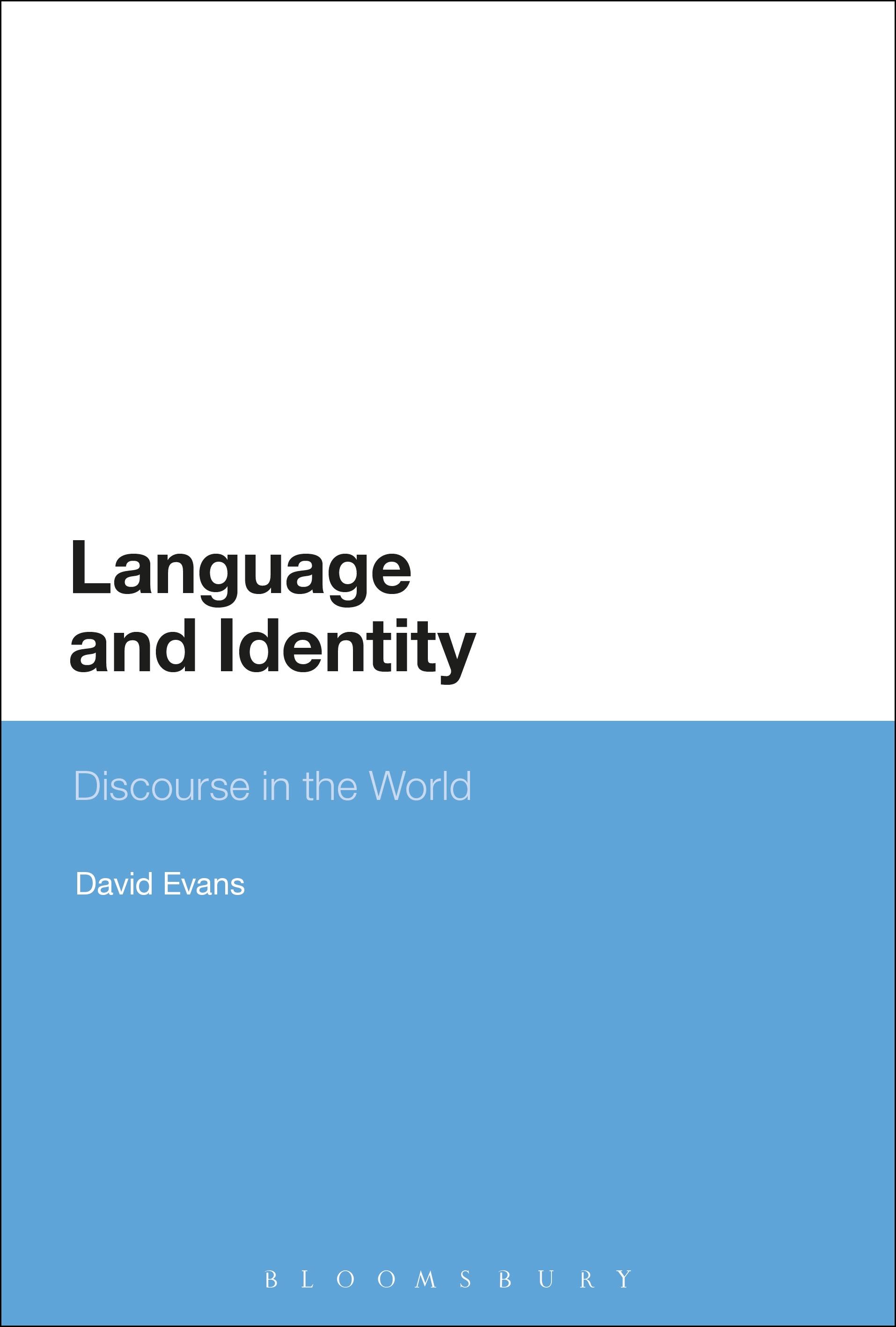
Language not only expresses identities but also constructs them. Starting from that point, Language and Identity examines the interrelationships between language and identities. It finds that they are so closely interwoven, that words themselves are inscribed with ideological meanings.
Words and language constitute meanings within discourses and discourses vary in power. The powerful ones reproduce more powerful meanings, colonize other discourses and marginalize or silence the least powerful languages and cultures. Language and culture death occur in extreme cases of marginalization.
This book also demonstrates the socio-economic opportunities offered by language choice and the cultural allegiances of language, where groups have been able to create new lives for themselves by embracing new languages in new countries. Language can be a 'double-edged sword' of opportunity and marginalization. Language and Identity argues that bilingualism and in some cases multilingualism can both promote socio-economic opportunity and combat culture death and marginalization.
With sound theoretical perspectives drawing upon the work of Bakhtin, Vygotsky, Gumperz, Foucault and others, this book provides readers with a rationale to redress social injustice in the world by supporting minority linguistic and cultural identities and an acknowledgement that access to language can provide opportunity.
Words and language constitute meanings within discourses and discourses vary in power. The powerful ones reproduce more powerful meanings, colonize other discourses and marginalize or silence the least powerful languages and cultures. Language and culture death occur in extreme cases of marginalization.
This book also demonstrates the socio-economic opportunities offered by language choice and the cultural allegiances of language, where groups have been able to create new lives for themselves by embracing new languages in new countries. Language can be a 'double-edged sword' of opportunity and marginalization. Language and Identity argues that bilingualism and in some cases multilingualism can both promote socio-economic opportunity and combat culture death and marginalization.
With sound theoretical perspectives drawing upon the work of Bakhtin, Vygotsky, Gumperz, Foucault and others, this book provides readers with a rationale to redress social injustice in the world by supporting minority linguistic and cultural identities and an acknowledgement that access to language can provide opportunity.
Zahle einfach mit Karte, Klarna, Apple Pay oder Google Pay. Nicht zufrieden? Du hast immer ein 14-tägiges Widerrufsrecht. Lies mehr in unseren AGB. Hast du Fragen, schreib uns eine E-Mail an hello@memmo.org.
Memmo macht das Lernen einfacher – wo auch immer du bist. Bei uns findest du deine Kursbücher und smarte Lerntools an einem Ort: Zusammenfassungen, Quizzes, Podcasts und Lernkarten. Und Ted, dein Lernbuddy, beantwortet alles, was du wissen möchtest. Über 50.000 Studierende lernen bereits hier – gemacht, damit du schneller lernst und weniger Stress hast.