
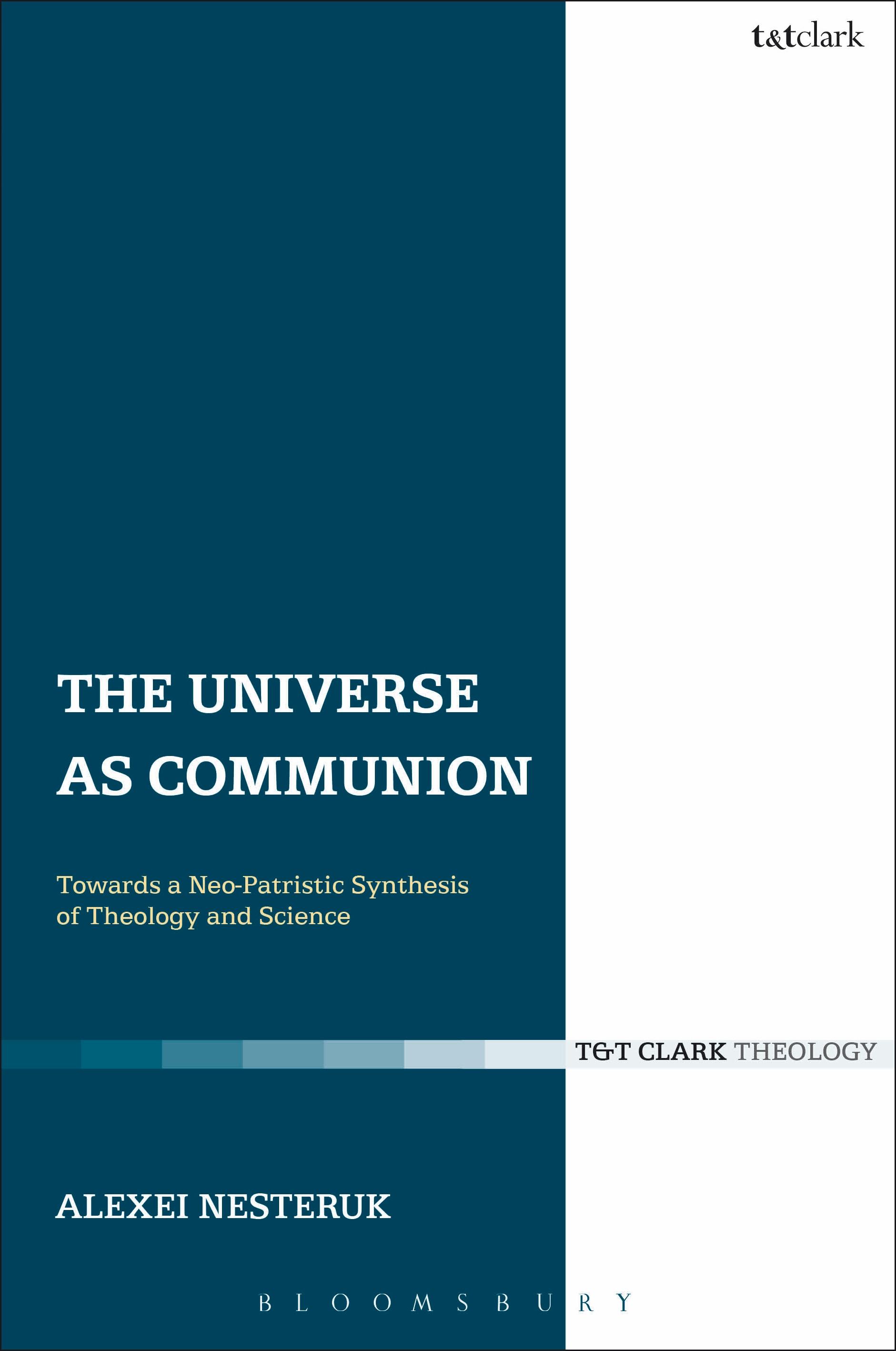
In this book a new and distinctive approach to the science-religion debate emerges from a synthesis of the Eastern Orthodox Christian tradition with phenomenological thought. Developing ideas of Greek Patristics the author treats faith, with its sense of the Divine presence, and knowledge of the universe, as two modes of communion which constitute the human condition. The modern opposition between science and theology (which is historically paralleled with the Church's split between East and West, and monasticism and Christianity in the world), is treated as the split between two intentionalities of the overall human subjectivity. The human person, as a centre of their reconciliation, becomes the major theme of the dialogue between science and theology.
It is argued that the reconciliation of science and theology is not simply an academic exercise; it requires an existential change, a change of mind (metanoia), which cannot be effected without ecclesial involvement. Then the person who effectuates the mediation between science and theology is raised to the level of "cosmic priesthood" while the mediation acquires the features of a "cosmic Eucharist" in which all divisions and tensions in creation and humanity are removed.
It is through this existential change accompanied by phenomenological analysis that scientific theories can be subjected to a certain "vision" through which the hidden ultimate goal (telos) of scientific research (as the explication of the human condition) shows its kinship to the saving telos advocated by Christian faith. The opposition between theology and science is thus being para-eucharistically overcome.
It is argued that the reconciliation of science and theology is not simply an academic exercise; it requires an existential change, a change of mind (metanoia), which cannot be effected without ecclesial involvement. Then the person who effectuates the mediation between science and theology is raised to the level of "cosmic priesthood" while the mediation acquires the features of a "cosmic Eucharist" in which all divisions and tensions in creation and humanity are removed.
It is through this existential change accompanied by phenomenological analysis that scientific theories can be subjected to a certain "vision" through which the hidden ultimate goal (telos) of scientific research (as the explication of the human condition) shows its kinship to the saving telos advocated by Christian faith. The opposition between theology and science is thus being para-eucharistically overcome.
Seiten: 300
Kategorie: Religion & Teologi
e-ISBN: 9780567431066
Versandgewicht: 1.2 kg
Versand in: 1-2 Tage
Zahle einfach mit Karte, Klarna, Apple Pay oder Google Pay. Nicht zufrieden? Du hast immer ein 14-tägiges Widerrufsrecht. Lies mehr in unseren AGB. Hast du Fragen, schreib uns eine E-Mail an hello@memmo.org.
Memmo macht das Lernen einfacher – wo auch immer du bist. Bei uns findest du deine Kursbücher und smarte Lerntools an einem Ort: Zusammenfassungen, Quizzes, Podcasts und Lernkarten. Und Ted, dein Lernbuddy, beantwortet alles, was du wissen möchtest. Über 50.000 Studierende lernen bereits hier – gemacht, damit du schneller lernst und weniger Stress hast.