
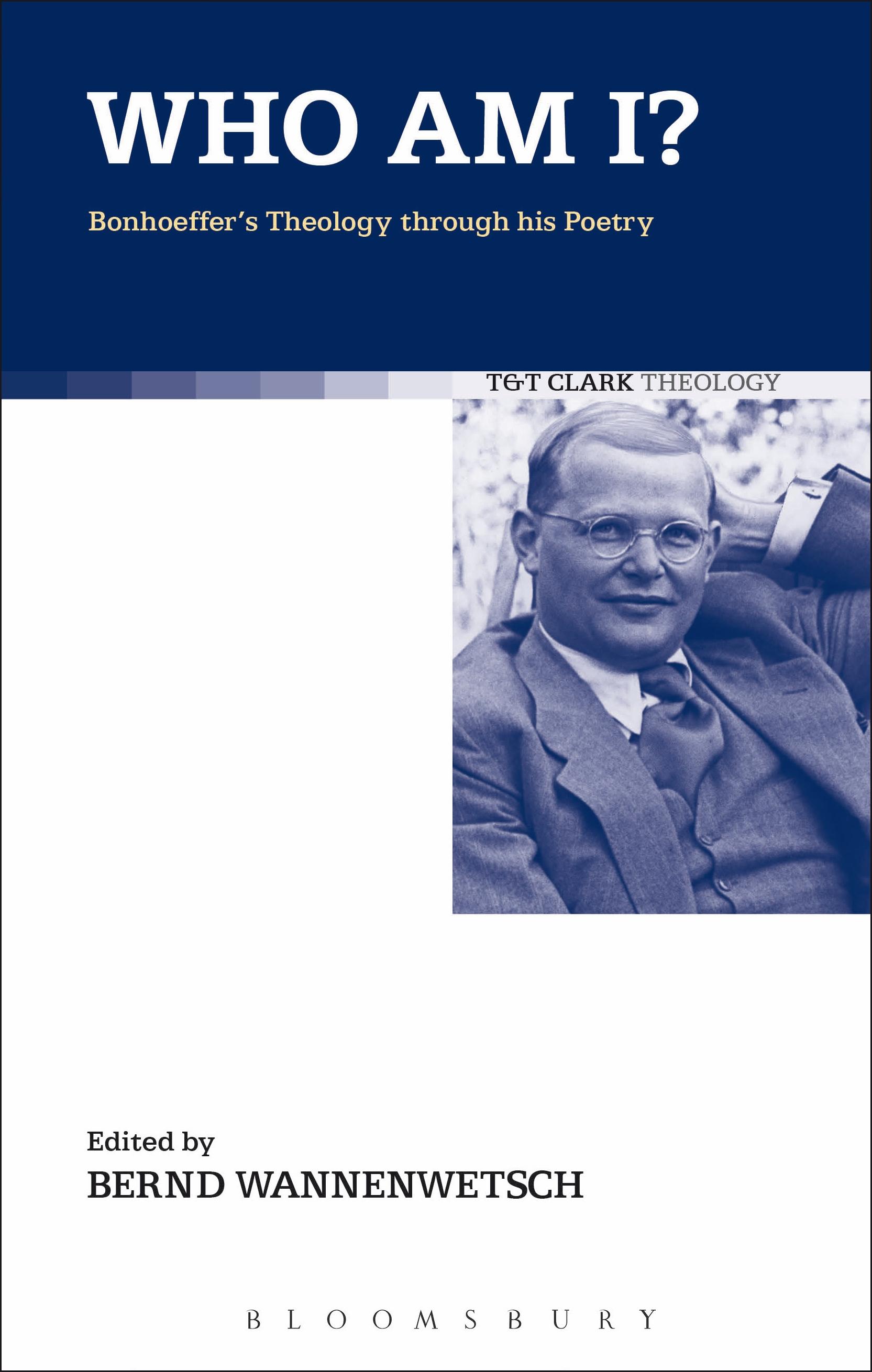
It has often been noted that poetry is a particularly suitable medium when it comes to understanding the connection between theology and biography. Needless to say that this is particularly exciting in the case of Dietrich Bonhoeffer and the poems he wrote during his imprisonment by the Nazis.
Although any one of his ten poems should be read within their respective historical and biographical context, they are also rounded, self-sufficient pieces of work that cannot be 'explained' by the biographical and theological prose that surrounds them. They rather serve as a sort of creative and perhaps sometimes even critical interlocutor to these contexts. This is why the contributors to this volume have not been asked to explain the poems but to facilitate this conversation: the conversation between the reader and the poems, between the individual poems as well as between the poems and Bonhoeffer's life and his theology. These poems lend themselves ideally as an entry point into Bonhoeffer's theology, in that each one of them resonates with a particular central theological concept that Bonhoeffer was developing in his prison years.
Themes and concepts such as "friendship", "religion", "identity", "freedom", "representative action" and others are not only represented in these poems but often expressed in the dense and compelling fashion that only poetic language affords. As such, they deserve the thorough and imaginative engagement of the international line-up of first-class theological authors gathered in this book.
Although any one of his ten poems should be read within their respective historical and biographical context, they are also rounded, self-sufficient pieces of work that cannot be 'explained' by the biographical and theological prose that surrounds them. They rather serve as a sort of creative and perhaps sometimes even critical interlocutor to these contexts. This is why the contributors to this volume have not been asked to explain the poems but to facilitate this conversation: the conversation between the reader and the poems, between the individual poems as well as between the poems and Bonhoeffer's life and his theology. These poems lend themselves ideally as an entry point into Bonhoeffer's theology, in that each one of them resonates with a particular central theological concept that Bonhoeffer was developing in his prison years.
Themes and concepts such as "friendship", "religion", "identity", "freedom", "representative action" and others are not only represented in these poems but often expressed in the dense and compelling fashion that only poetic language affords. As such, they deserve the thorough and imaginative engagement of the international line-up of first-class theological authors gathered in this book.
Zahle einfach mit Karte, Klarna, Apple Pay oder Google Pay. Nicht zufrieden? Du hast immer ein 14-tägiges Widerrufsrecht. Lies mehr in unseren AGB. Hast du Fragen, schreib uns eine E-Mail an hello@memmo.org.
Memmo macht das Lernen einfacher – wo auch immer du bist. Bei uns findest du deine Kursbücher und smarte Lerntools an einem Ort: Zusammenfassungen, Quizzes, Podcasts und Lernkarten. Und Ted, dein Lernbuddy, beantwortet alles, was du wissen möchtest. Über 50.000 Studierende lernen bereits hier – gemacht, damit du schneller lernst und weniger Stress hast.