
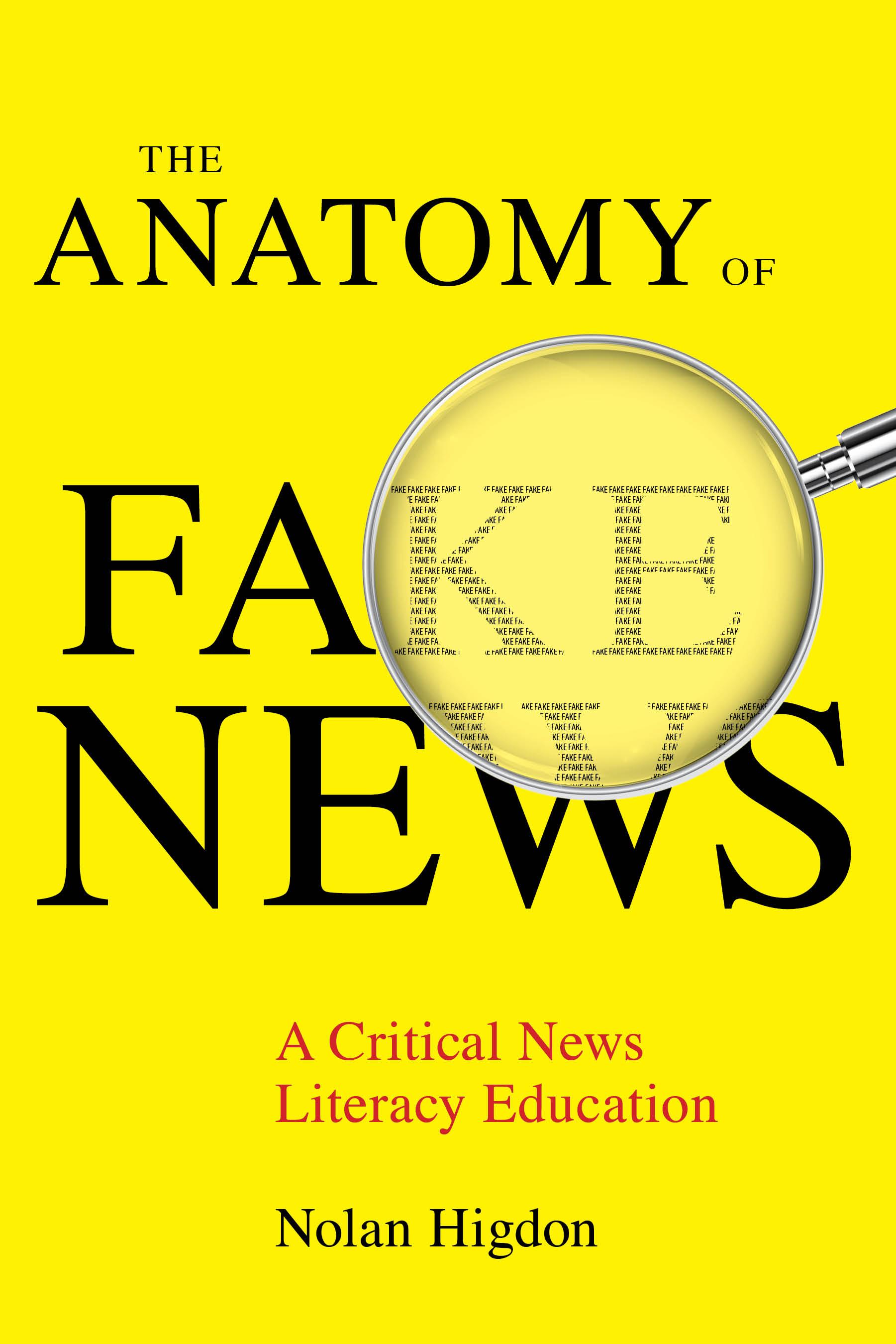
Since the 2016 U.S. presidential election, concerns about fake news have fostered calls for government regulation and industry intervention to mitigate the influence of false content. These proposals are hindered by a lack of consensus concerning the definition of fake news or its origins. Media scholar Nolan Higdon contends that expanded access to critical media literacy education, grounded in a comprehensive history of fake news, is a more promising solution to these issues. The Anatomy of Fake News offers the first historical examination of fake news that takes as its goal the effective teaching of critical news literacy in the United States. Higdon employs a critical-historical media ecosystems approach to identify the producers, themes, purposes, and influences of fake news. The findings are then incorporated into an invaluable fake news detection kit. This much-needed resource provides a rich history and a promising set of pedagogical strategies for mitigating the pernicious influence of fake news.
Zahle einfach mit Karte, Klarna, Apple Pay oder Google Pay. Nicht zufrieden? Du hast immer ein 14-tägiges Widerrufsrecht. Lies mehr in unseren AGB. Hast du Fragen, schreib uns eine E-Mail an hello@memmo.org.
Memmo macht das Lernen einfacher – wo auch immer du bist. Bei uns findest du deine Kursbücher und smarte Lerntools an einem Ort: Zusammenfassungen, Quizzes, Podcasts und Lernkarten. Und Ted, dein Lernbuddy, beantwortet alles, was du wissen möchtest. Über 50.000 Studierende lernen bereits hier – gemacht, damit du schneller lernst und weniger Stress hast.
Das könnte dir auch gefallen
Buch kaufen0