
A free book version of this title is available through Luminos, University of California Press’s Open Access publishing program. Visit www.luminosoa.org to learn more.
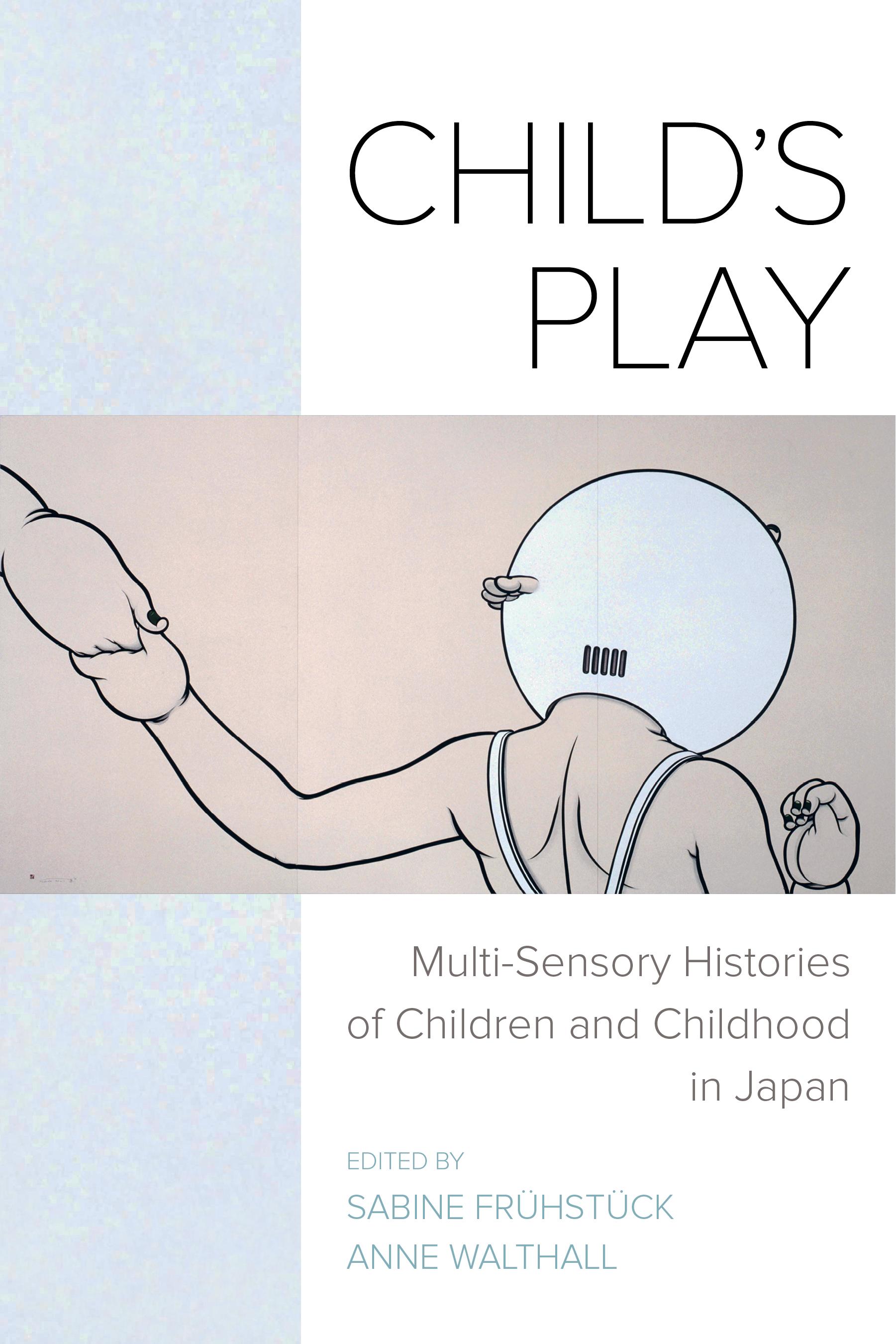
Few things make Japanese adults feel quite as anxious today as the phenomenon called the “child crisis.” Various media teem with intense debates about bullying in schools, child poverty, child suicides, violent crimes committed by children, the rise of socially withdrawn youngsters, and forceful moves by the government to introduce a more conservative educational curriculum. These issues have propelled Japan into the center of a set of global conversations about the nature of children and how to raise them. Engaging both the history of children and childhood and the history of emotions, contributors to this volume track Japanese childhood through a number of historical scenarios. Such explorations—some from Japan’s early-modern past—are revealed through letters, diaries, memoirs, family and household records, and religious polemics about promising, rambunctious, sickly, happy, and dutiful youngsters.
Few things make Japanese adults feel quite as anxious today as the phenomenon called the “child crisis.” Various media teem with intense debates about bullying in schools, child poverty, child suicides, violent crimes committed by children, the rise of socially withdrawn youngsters, and forceful moves by the government to introduce a more conservative educational curriculum. These issues have propelled Japan into the center of a set of global conversations about the nature of children and how to raise them. Engaging both the history of children and childhood and the history of emotions, contributors to this volume track Japanese childhood through a number of historical scenarios. Such explorations—some from Japan’s early-modern past—are revealed through letters, diaries, memoirs, family and household records, and religious polemics about promising, rambunctious, sickly, happy, and dutiful youngsters.
Zahle einfach mit Karte, Klarna, Apple Pay oder Google Pay. Nicht zufrieden? Du hast immer ein 14-tägiges Widerrufsrecht. Lies mehr in unseren AGB. Hast du Fragen, schreib uns eine E-Mail an hello@memmo.org.
Memmo macht das Lernen einfacher – wo auch immer du bist. Bei uns findest du deine Kursbücher und smarte Lerntools an einem Ort: Zusammenfassungen, Quizzes, Podcasts und Lernkarten. Und Ted, dein Lernbuddy, beantwortet alles, was du wissen möchtest. Über 50.000 Studierende lernen bereits hier – gemacht, damit du schneller lernst und weniger Stress hast.
Das könnte dir auch gefallen
Buch kaufen0