
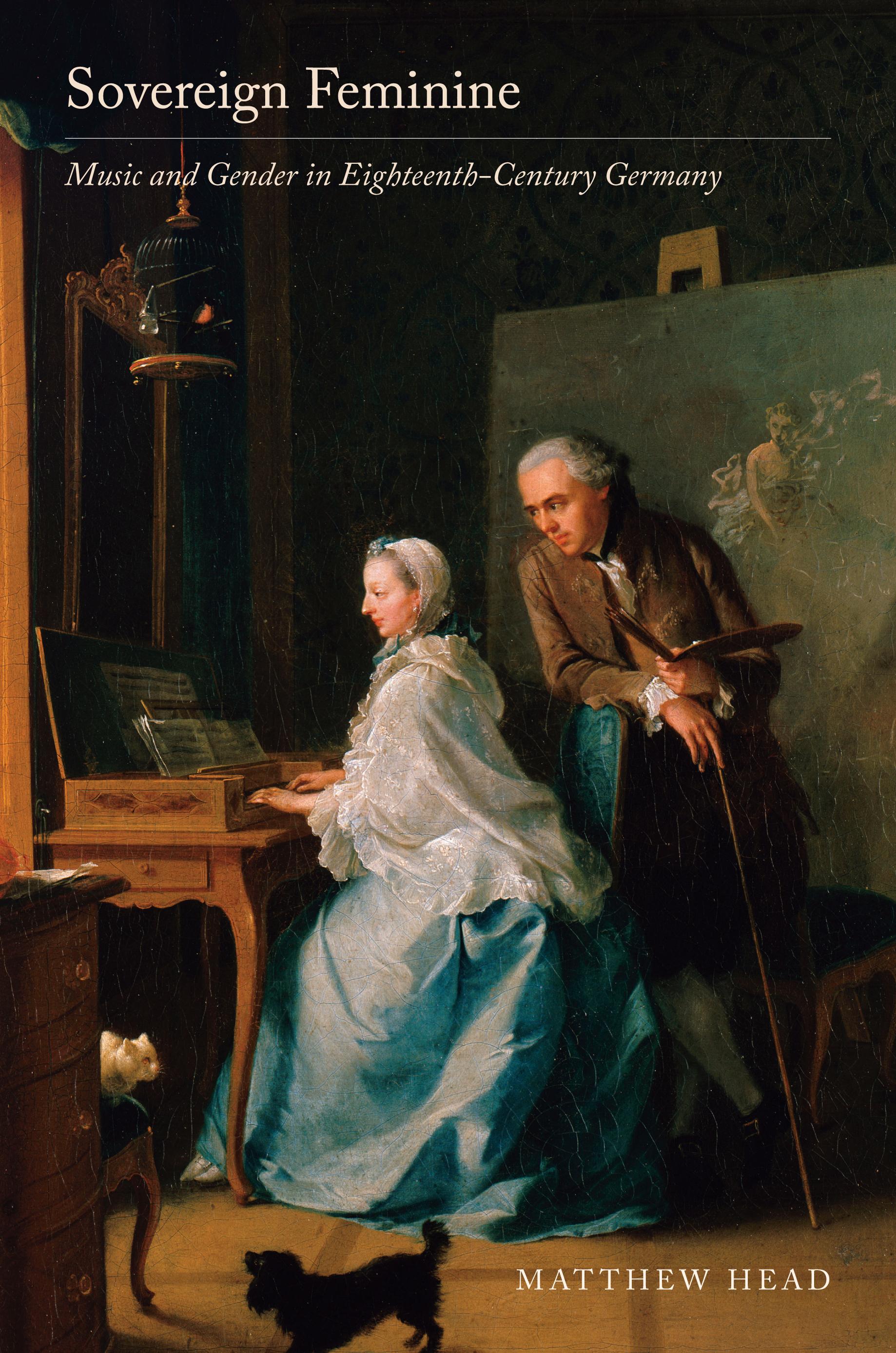
In the German states in the late eighteenth century, women flourished as musical performers and composers, their achievements measuring the progress of culture and society from barbarism to civilization. Female excellence, and related feminocentric values, were celebrated by forward-looking critics who argued for music as a fine art, a component of modern, polite, and commercial culture, rather than a symbol of institutional power. In the eyes of such critics, femininity—a newly emerging and primarily bourgeois ideal—linked women and music under the valorized signs of refinement, sensibility, virtue, patriotism, luxury, and, above all, beauty. This moment in musical history was eclipsed in the first decades of the nineteenth century, and ultimately erased from the music-historical record, by now familiar developments: the formation of musical canons, a musical history based on technical progress, the idea of masterworks, authorial autonomy, the musical sublime, and aggressively essentializing ideas about the relationship between sex, gender and art. In Sovereign Feminine, Matthew Head restores this earlier musical history and explores the role that women played in the development of classical music.
Zahle einfach mit Karte, Klarna, Apple Pay oder Google Pay. Nicht zufrieden? Du hast immer ein 14-tägiges Widerrufsrecht. Lies mehr in unseren AGB. Hast du Fragen, schreib uns eine E-Mail an hello@memmo.org.
Memmo macht das Lernen einfacher – wo auch immer du bist. Bei uns findest du deine Kursbücher und smarte Lerntools an einem Ort: Zusammenfassungen, Quizzes, Podcasts und Lernkarten. Und Ted, dein Lernbuddy, beantwortet alles, was du wissen möchtest. Über 50.000 Studierende lernen bereits hier – gemacht, damit du schneller lernst und weniger Stress hast.
Das könnte dir auch gefallen
Buch kaufen0