
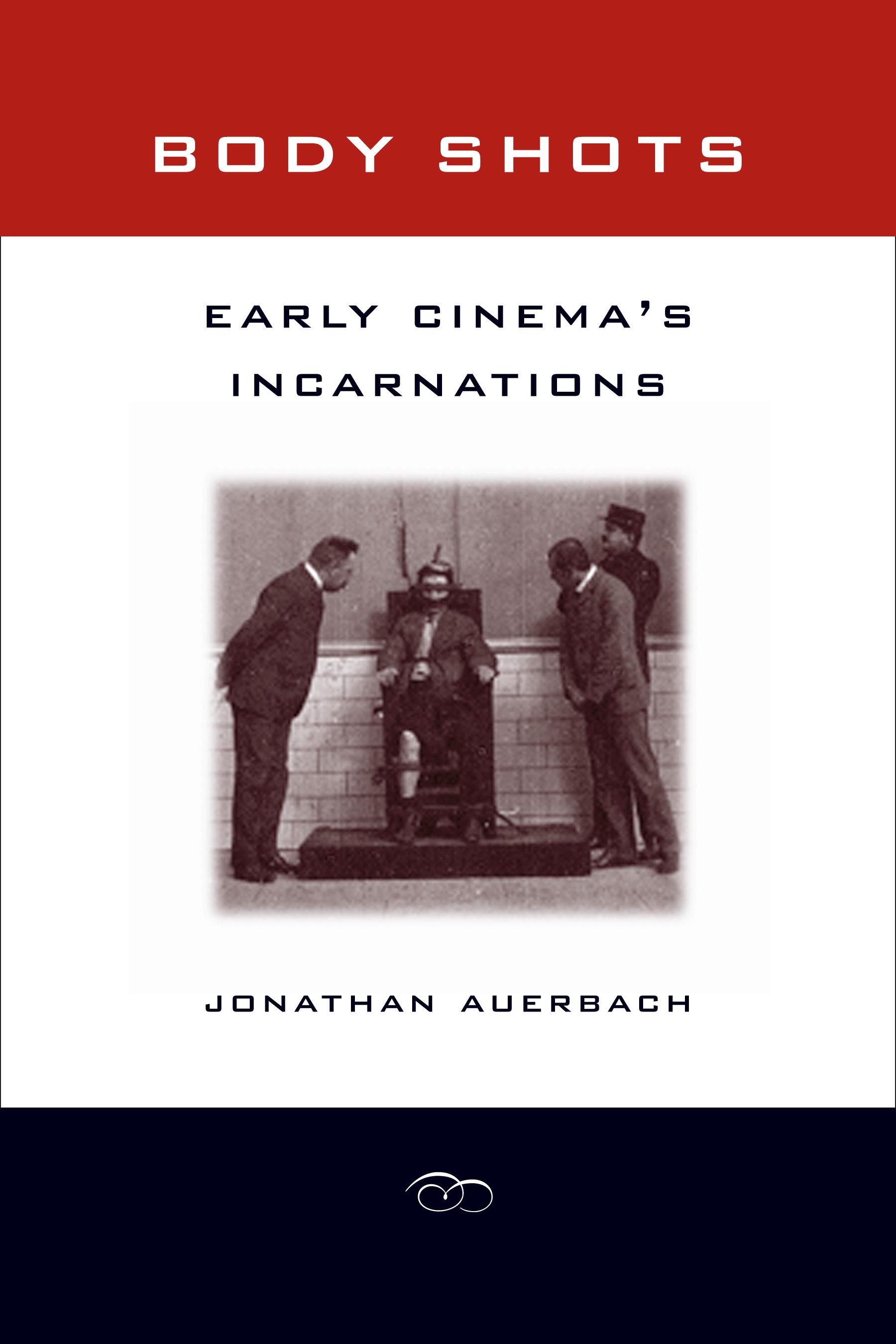
This original and compelling book places the body at the center of cinema's first decade of emergence and challenges the idea that for early audiences, the new medium's fascination rested on visual spectacle for its own sake. Instead, as Jonathan Auerbach argues, it was the human form in motion that most profoundly shaped early cinema. Situating his discussion in a political and historical context, Auerbach begins his analysis with films that reveal striking anxieties and preoccupations about persons on public display—both exceptional figures, such as 1896 presidential candidate William McKinley, and ordinary people caught by the movie camera in their daily routines. The result is a sharp, unique, and groundbreaking way to consider the turn-of-the-twentieth-century American incarnation of cinema itself.
Zahle einfach mit Karte, Klarna, Apple Pay oder Google Pay. Nicht zufrieden? Du hast immer ein 14-tägiges Widerrufsrecht. Lies mehr in unseren AGB. Hast du Fragen, schreib uns eine E-Mail an hello@memmo.org.
Memmo macht das Lernen einfacher – wo auch immer du bist. Bei uns findest du deine Kursbücher und smarte Lerntools an einem Ort: Zusammenfassungen, Quizzes, Podcasts und Lernkarten. Und Ted, dein Lernbuddy, beantwortet alles, was du wissen möchtest. Über 50.000 Studierende lernen bereits hier – gemacht, damit du schneller lernst und weniger Stress hast.
Das könnte dir auch gefallen
Buch kaufen0