
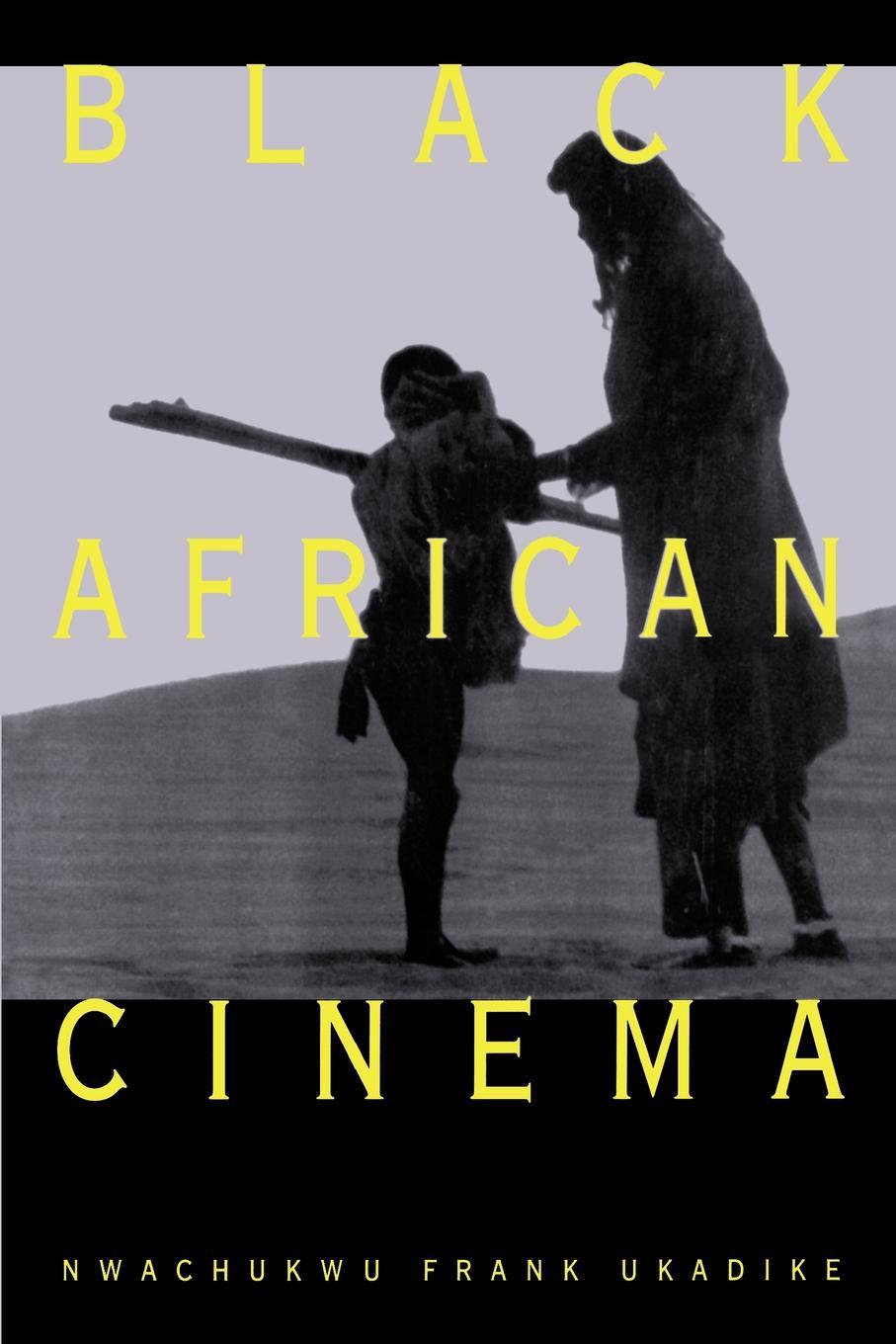
From the proselytizing lantern slides of early Christian missionaries to contemporary films that look at Africa through an African lens, N. Frank Ukadike explores the development of black African cinema. He examines the impact of culture and history, and of technology and co-production, on filmmaking throughout Africa.
Every aspect of African contact with and contribution to cinematic practices receives attention: British colonial cinema; the thematic and stylistic diversity of the pioneering "francophone" films; the effects of television on the motion picture industry; and patterns of television documentary filmmaking in "anglophone" regions. Ukadike gives special attention to the growth of independent production in Ghana and Nigeria, the unique Yoruba theater-film tradition, and the militant liberationist tendencies of "lusophone" filmmakers. He offers a lucid discussion of oral tradition as a creative matrix and the relationship between cinema and other forms of popular culture. And, by contrasting "new" African films with those based on the traditional paradigm, he explores the trends emerging from the eighties and nineties.
Clearly written and accessible to specialist and general reader alike, Black African Cinema's analysis of key films and issues—the most comprehensive in English—is unique. The book's pan-Africanist vision heralds important new strategies for appraising a cinema that increasingly attracts the attention of film students and Africanists.
From the proselytizing lantern slides of early Christian missionaries to contemporary films that look at Africa through an African lens, N. Frank Ukadike explores the development of black African cinema. He examines the impact of culture and history, and
Every aspect of African contact with and contribution to cinematic practices receives attention: British colonial cinema; the thematic and stylistic diversity of the pioneering "francophone" films; the effects of television on the motion picture industry; and patterns of television documentary filmmaking in "anglophone" regions. Ukadike gives special attention to the growth of independent production in Ghana and Nigeria, the unique Yoruba theater-film tradition, and the militant liberationist tendencies of "lusophone" filmmakers. He offers a lucid discussion of oral tradition as a creative matrix and the relationship between cinema and other forms of popular culture. And, by contrasting "new" African films with those based on the traditional paradigm, he explores the trends emerging from the eighties and nineties.
Clearly written and accessible to specialist and general reader alike, Black African Cinema's analysis of key films and issues—the most comprehensive in English—is unique. The book's pan-Africanist vision heralds important new strategies for appraising a cinema that increasingly attracts the attention of film students and Africanists.
From the proselytizing lantern slides of early Christian missionaries to contemporary films that look at Africa through an African lens, N. Frank Ukadike explores the development of black African cinema. He examines the impact of culture and history, and
Zahle einfach mit Karte, Klarna, Apple Pay oder Google Pay. Nicht zufrieden? Du hast immer ein 14-tägiges Widerrufsrecht. Lies mehr in unseren AGB. Hast du Fragen, schreib uns eine E-Mail an hello@memmo.org.
Memmo macht das Lernen einfacher – wo auch immer du bist. Bei uns findest du deine Kursbücher und smarte Lerntools an einem Ort: Zusammenfassungen, Quizzes, Podcasts und Lernkarten. Und Ted, dein Lernbuddy, beantwortet alles, was du wissen möchtest. Über 50.000 Studierende lernen bereits hier – gemacht, damit du schneller lernst und weniger Stress hast.
Das könnte dir auch gefallen
Buch kaufen0