
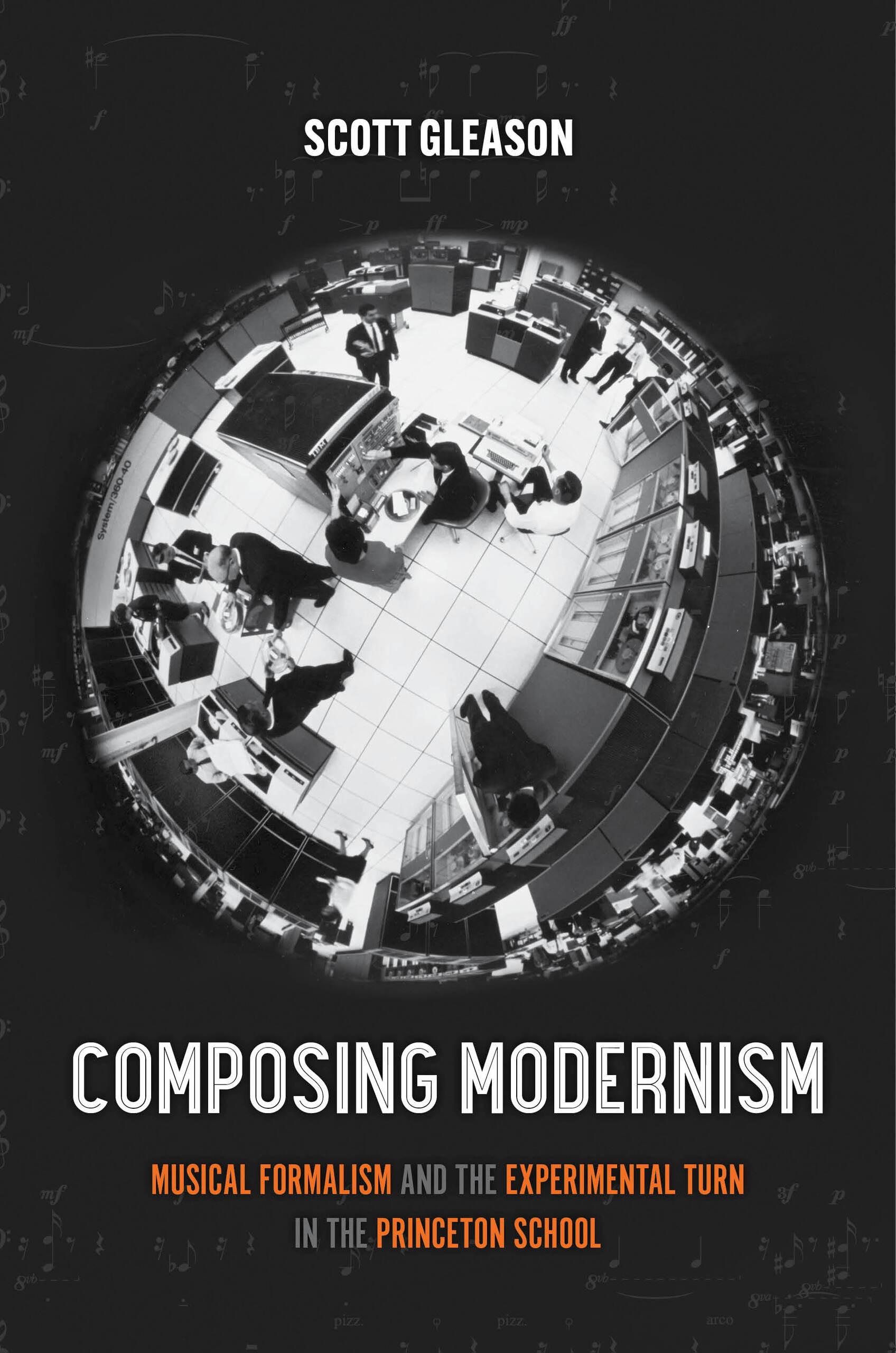
Composing Modernism is the first book-length study to tell the fascinating story of a key strain of American composition during the Cold War. The Princeton School set aspirations for postwar music composition and discourse. Milton Babbitt especially sought a scientific conception of the composing researcher. Around 1967, J. K. Randall began challenging the School's tenets of twelve-tone composition, music-theoretical axiomatization, and electronic synthesis. Randall, Elaine Barkin, and Benjamin Boretz embraced Cagean experimentalism and turned to phenomenology, improvisation, and new forms of community making. This book explores these contrasting paradigms of the musical avant-garde, with a focus on the people, subjects, and aesthetic and formal aspects of a major force in Cold War music. By uncovering many of the ideologies of the Princeton School, Scott Gleason highlights the utopian thought that was central across several generations of Princeton composer-theorists.
Zahle einfach mit Karte, Klarna, Apple Pay oder Google Pay. Nicht zufrieden? Du hast immer ein 14-tägiges Widerrufsrecht. Lies mehr in unseren AGB. Hast du Fragen, schreib uns eine E-Mail an hello@memmo.org.
Memmo macht das Lernen einfacher – wo auch immer du bist. Bei uns findest du deine Kursbücher und smarte Lerntools an einem Ort: Zusammenfassungen, Quizzes, Podcasts und Lernkarten. Und Ted, dein Lernbuddy, beantwortet alles, was du wissen möchtest. Über 50.000 Studierende lernen bereits hier – gemacht, damit du schneller lernst und weniger Stress hast.