
A free book version of this title is available through Luminos, University of California Press's Open Access publishing program. Visit www.luminosoa.org to learn more.
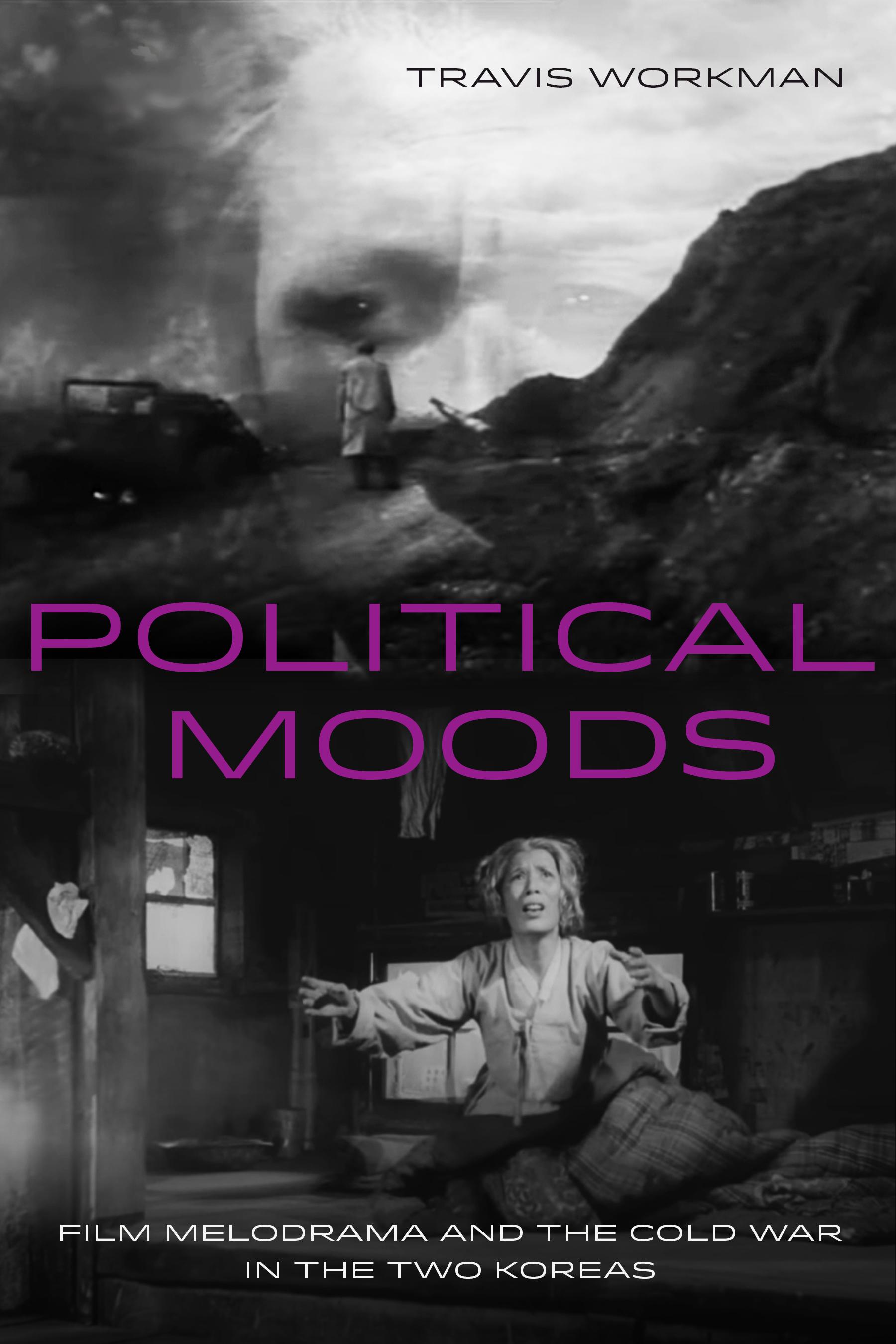
Melodrama films dominated the North and South Korean industries in the period between liberation from Japanese colonial rule in 1945 and the hardening of dictatorship in the 1970s. The films of each industry are often read as direct reflections of Cold War and Korean War political ideologies and national historical experiences, and therefore as aesthetically and politically opposed to each other. However, Political Moods develops a comparative analysis across the Cold War divide, analyzing how films in both North and South Korea convey political and moral ideas through the sentimentality of the melodramatic mode. Travis Workman reveals that the melancholic moods of film melodrama express the somatic and social conflicts between political ideologies and excesses of affect, meaning, and historical references. These moods dramatize the tension between the language of Cold War politics and the negative affects that connect cinema to what it cannot fully represent. The result is a new way of historicizing the cinema of the two Koreas in relation to colonialism, postcolonialism, war, and nation building.
Melodrama films dominated the North and South Korean industries in the period between liberation from Japanese colonial rule in 1945 and the hardening of dictatorship in the 1970s. The films of each industry are often read as direct reflections of Cold War and Korean War political ideologies and national historical experiences, and therefore as aesthetically and politically opposed to each other. However, Political Moods develops a comparative analysis across the Cold War divide, analyzing how films in both North and South Korea convey political and moral ideas through the sentimentality of the melodramatic mode. Travis Workman reveals that the melancholic moods of film melodrama express the somatic and social conflicts between political ideologies and excesses of affect, meaning, and historical references. These moods dramatize the tension between the language of Cold War politics and the negative affects that connect cinema to what it cannot fully represent. The result is a new way of historicizing the cinema of the two Koreas in relation to colonialism, postcolonialism, war, and nation building.
Zahle einfach mit Karte, Klarna, Apple Pay oder Google Pay. Nicht zufrieden? Du hast immer ein 14-tägiges Widerrufsrecht. Lies mehr in unseren AGB. Hast du Fragen, schreib uns eine E-Mail an hello@memmo.org.
Memmo macht das Lernen einfacher – wo auch immer du bist. Bei uns findest du deine Kursbücher und smarte Lerntools an einem Ort: Zusammenfassungen, Quizzes, Podcasts und Lernkarten. Und Ted, dein Lernbuddy, beantwortet alles, was du wissen möchtest. Über 50.000 Studierende lernen bereits hier – gemacht, damit du schneller lernst und weniger Stress hast.
Das könnte dir auch gefallen
Buch kaufen0