
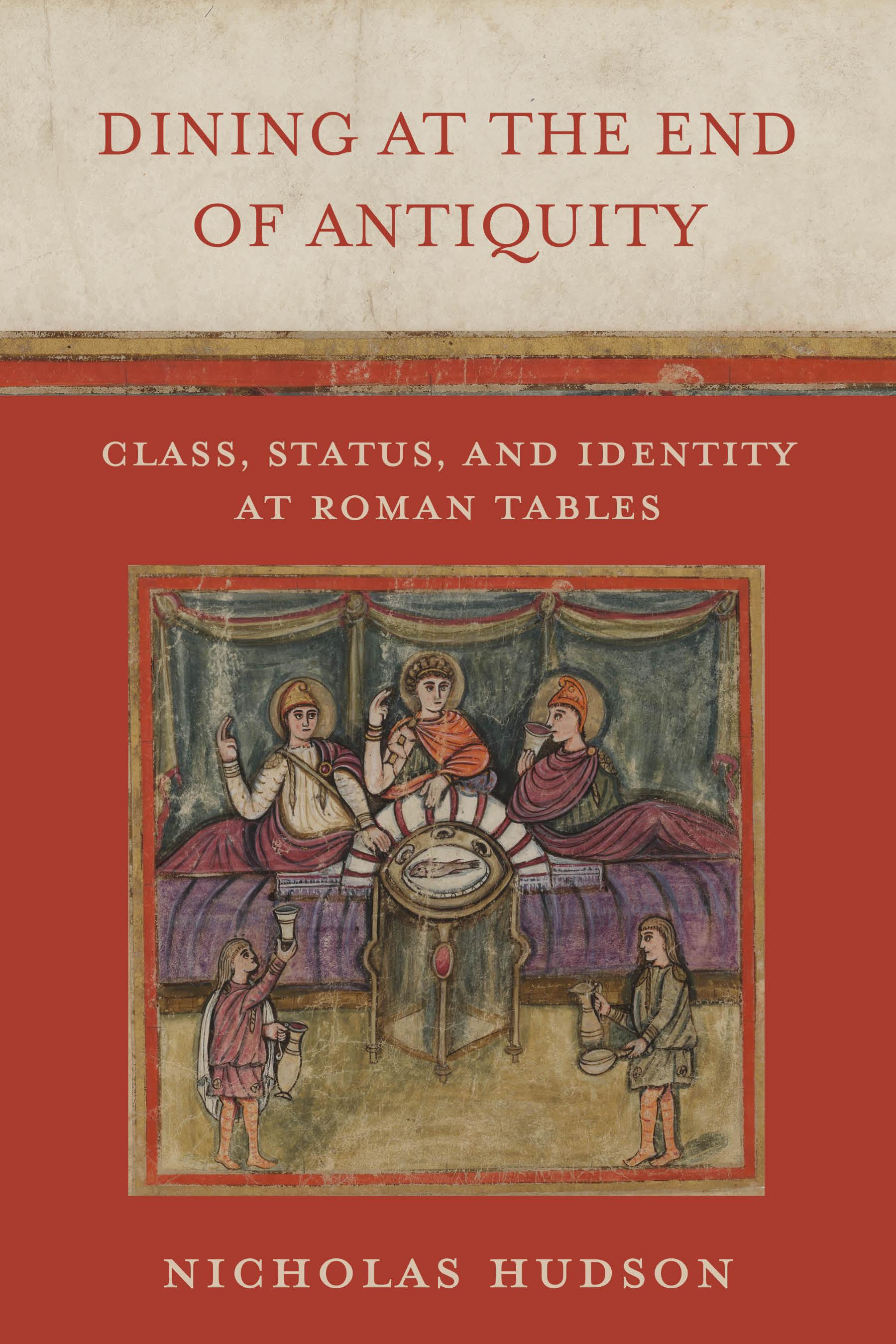
The history of dining is a story that cannot be told without archaeology. Surviving texts describe the opulent banquets of Rome’s wealthy elite but give little attention to the simpler, more intimate social gatherings of domestic invitation dinners. The lower classes, in particular, are largely ignored by literary sources. We can, however, find the voices of the underprivileged by turning to the material detritus of ancient cultures that reflects their social history. Dining at the End of Antiquity brings together the material culture and literary traditions of Romans at the table to reimagine dining culture as an integral part of Roman social order. Through a careful analysis of the tools and equipment of dining, Nicholas Hudson uncovers significant changes to the way different classes came together to share food and wine between the fourth and sixth centuries. Reconstructing the practices of Roman dining culture, Hudson explores the depths of new social distances between the powerful and the dependent at the end of antiquity.
Zahle einfach mit Karte, Klarna, Apple Pay oder Google Pay. Nicht zufrieden? Du hast immer ein 14-tägiges Widerrufsrecht. Lies mehr in unseren AGB. Hast du Fragen, schreib uns eine E-Mail an hello@memmo.org.
Memmo macht das Lernen einfacher – wo auch immer du bist. Bei uns findest du deine Kursbücher und smarte Lerntools an einem Ort: Zusammenfassungen, Quizzes, Podcasts und Lernkarten. Und Ted, dein Lernbuddy, beantwortet alles, was du wissen möchtest. Über 50.000 Studierende lernen bereits hier – gemacht, damit du schneller lernst und weniger Stress hast.
Das könnte dir auch gefallen
Buch kaufen0