
A free open access book is available upon publication. Learn more at www.luminosoa.org.
This book is freely available in an open access edition thanks to TOME (Toward an Open Monograph Ecosystem)—a collaboration of the Association of American Universities, the Association of University Presses, and the Association of Research Libraries—and the generous support of the University of Minnesota. Learn more at the TOME website, available at openmonographs.org.
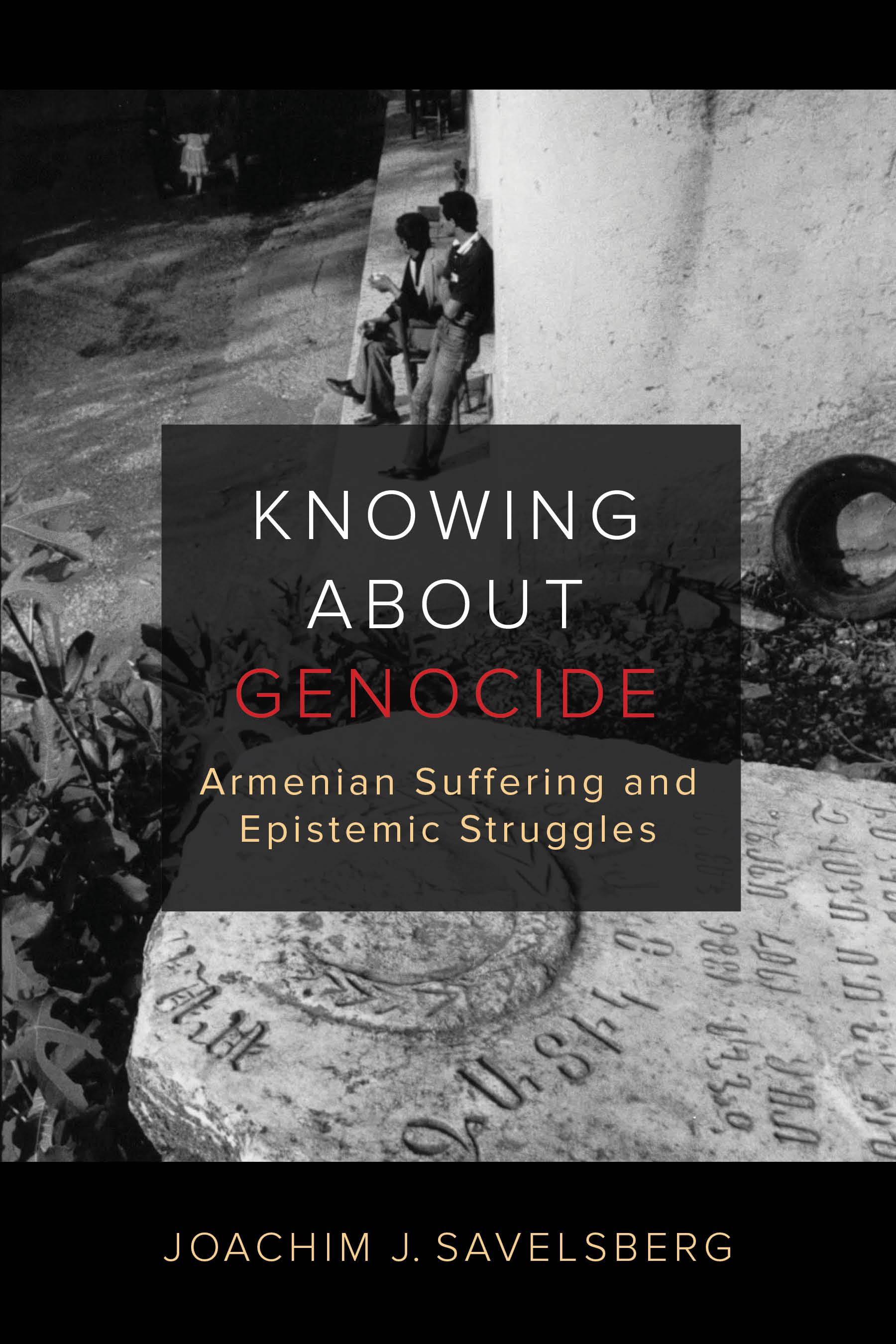
How do victims and perpetrators generate conflicting knowledge about genocide? Using a sociology of knowledge approach, Savelsberg answers this question for the Armenian genocide committed in the context of the First World War. Focusing on Armenians and Turks, he examines strategies of silencing, denial, and acknowledgment in everyday interaction, public rituals, law, and politics. Drawing on interviews, ethnographic accounts, documents, and eyewitness testimony, Savelsberg illuminates the social processes that drive dueling versions of history. He reveals counterproductive consequences of denial in an age of human rights hegemony, with implications for populist disinformation campaigns against overwhelming evidence.
This book is freely available in an open access edition thanks to TOME (Toward an Open Monograph Ecosystem)—a collaboration of the Association of American Universities, the Association of University Presses, and the Association of Research Libraries—and the generous support of the University of Minnesota. Learn more at the TOME website, available at openmonographs.org.
How do victims and perpetrators generate conflicting knowledge about genocide? Using a sociology of knowledge approach, Savelsberg answers this question for the Armenian genocide committed in the context of the First World War. Focusing on Armenians and Turks, he examines strategies of silencing, denial, and acknowledgment in everyday interaction, public rituals, law, and politics. Drawing on interviews, ethnographic accounts, documents, and eyewitness testimony, Savelsberg illuminates the social processes that drive dueling versions of history. He reveals counterproductive consequences of denial in an age of human rights hegemony, with implications for populist disinformation campaigns against overwhelming evidence.
Zahle einfach mit Karte, Klarna, Apple Pay oder Google Pay. Nicht zufrieden? Du hast immer ein 14-tägiges Widerrufsrecht. Lies mehr in unseren AGB. Hast du Fragen, schreib uns eine E-Mail an hello@memmo.org.
Memmo macht das Lernen einfacher – wo auch immer du bist. Bei uns findest du deine Kursbücher und smarte Lerntools an einem Ort: Zusammenfassungen, Quizzes, Podcasts und Lernkarten. Und Ted, dein Lernbuddy, beantwortet alles, was du wissen möchtest. Über 50.000 Studierende lernen bereits hier – gemacht, damit du schneller lernst und weniger Stress hast.
Das könnte dir auch gefallen
Buch kaufen0