
"A well-written textbook by a learned musician practicing his craft. The analyses are clearly argued, and Wen projects a reassuring sense of authenticity in his approach to tonal music analysis. The book will be of interest to many musicians, especially those focused on Schenkerian theory and analysis. I believe the book will be a welcome addition to the range of teaching manuals on the subject." — Music Theory Online
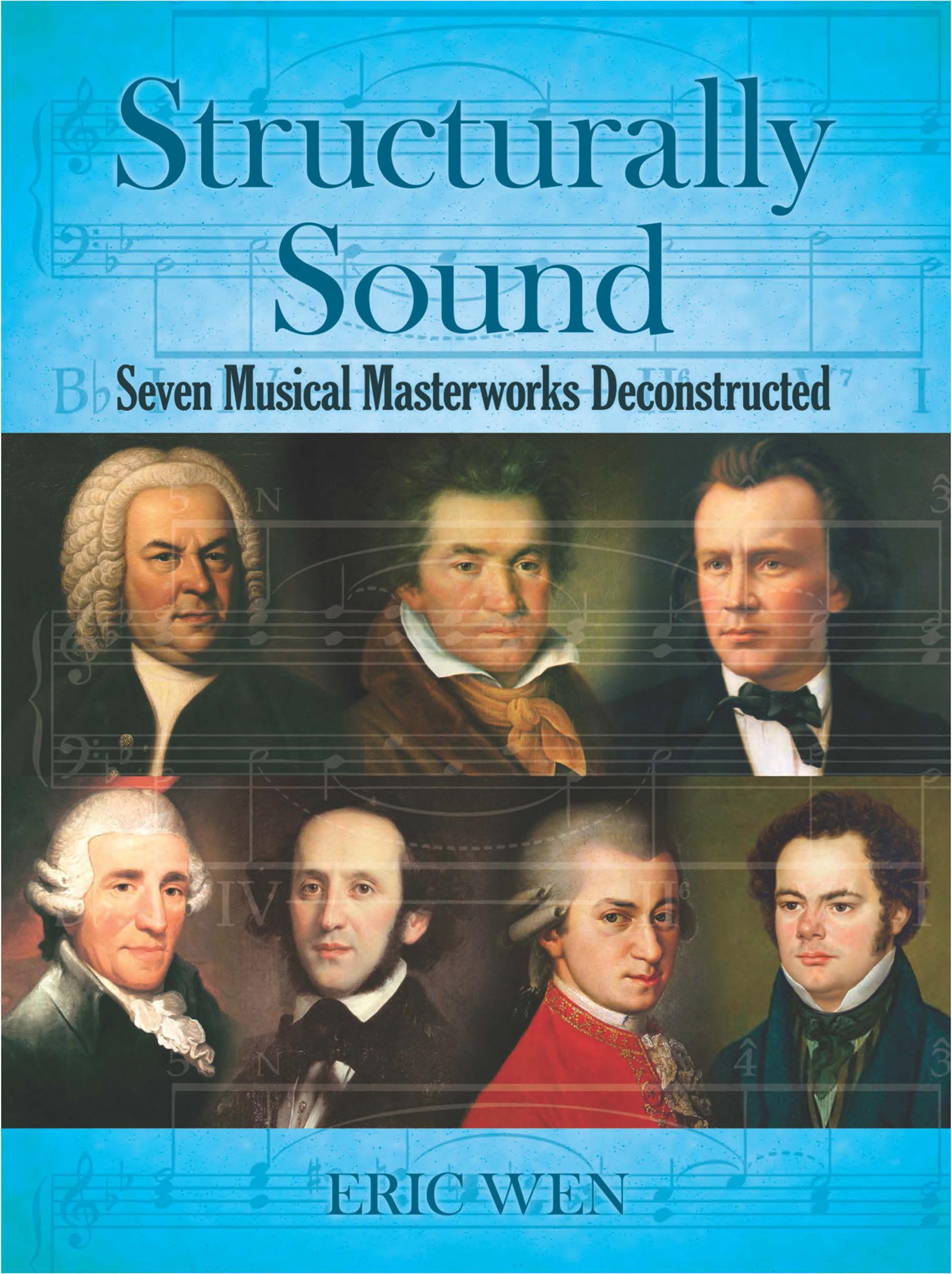
Music theorist Eric Wen presents in-depth analyses of seven masterworks from the common-practice period of Western art music:
Bach: Air from Orchestral Suite No. 3 in D, BWV 1068
Mendelssohn: Andante con moto tranquillo from Piano Trio No. 1 in D minor, Op. 49
Schubert: Nacht und Traüme, D. 827
Haydn: Adagio — Vivace assai from Symphony No. 94 in G, Hob. I:94
Mozart: Molto Allegro from Symphony No. 40 in G minor, K. 550
Beethoven: Marcia funebre: Adagio assai from Symphony No. 3 in E-flat, Op. 55
Brahms: Un poco presto e con sentimento from Violin Sonata No. 3 in D minor, Op. 108
Wen employs the analytic approach developed by Heinrich Schenker, a method that uses musical notation to clarify and illuminate a work's structural hierarchies. Copiously illustrated with analytic musical examples that elucidate the tonal organization of each of the seven works, this study also explores aspects of form, rhythmic organization, and programmatic meaning.
This volume will be of particular interest to musicologists and professional musicians, and it will also appeal to listeners keen to probe the rich complexities of these masterpieces.
Bach: Air from Orchestral Suite No. 3 in D, BWV 1068
Mendelssohn: Andante con moto tranquillo from Piano Trio No. 1 in D minor, Op. 49
Schubert: Nacht und Traüme, D. 827
Haydn: Adagio — Vivace assai from Symphony No. 94 in G, Hob. I:94
Mozart: Molto Allegro from Symphony No. 40 in G minor, K. 550
Beethoven: Marcia funebre: Adagio assai from Symphony No. 3 in E-flat, Op. 55
Brahms: Un poco presto e con sentimento from Violin Sonata No. 3 in D minor, Op. 108
Wen employs the analytic approach developed by Heinrich Schenker, a method that uses musical notation to clarify and illuminate a work's structural hierarchies. Copiously illustrated with analytic musical examples that elucidate the tonal organization of each of the seven works, this study also explores aspects of form, rhythmic organization, and programmatic meaning.
This volume will be of particular interest to musicologists and professional musicians, and it will also appeal to listeners keen to probe the rich complexities of these masterpieces.
Zahle einfach mit Karte, Klarna, Apple Pay oder Google Pay. Nicht zufrieden? Du hast immer ein 14-tägiges Widerrufsrecht. Lies mehr in unseren AGB. Hast du Fragen, schreib uns eine E-Mail an hello@memmo.org.
Memmo macht das Lernen einfacher – wo auch immer du bist. Bei uns findest du deine Kursbücher und smarte Lerntools an einem Ort: Zusammenfassungen, Quizzes, Podcasts und Lernkarten. Und Ted, dein Lernbuddy, beantwortet alles, was du wissen möchtest. Über 50.000 Studierende lernen bereits hier – gemacht, damit du schneller lernst und weniger Stress hast.
Das könnte dir auch gefallen
Buch kaufen0