
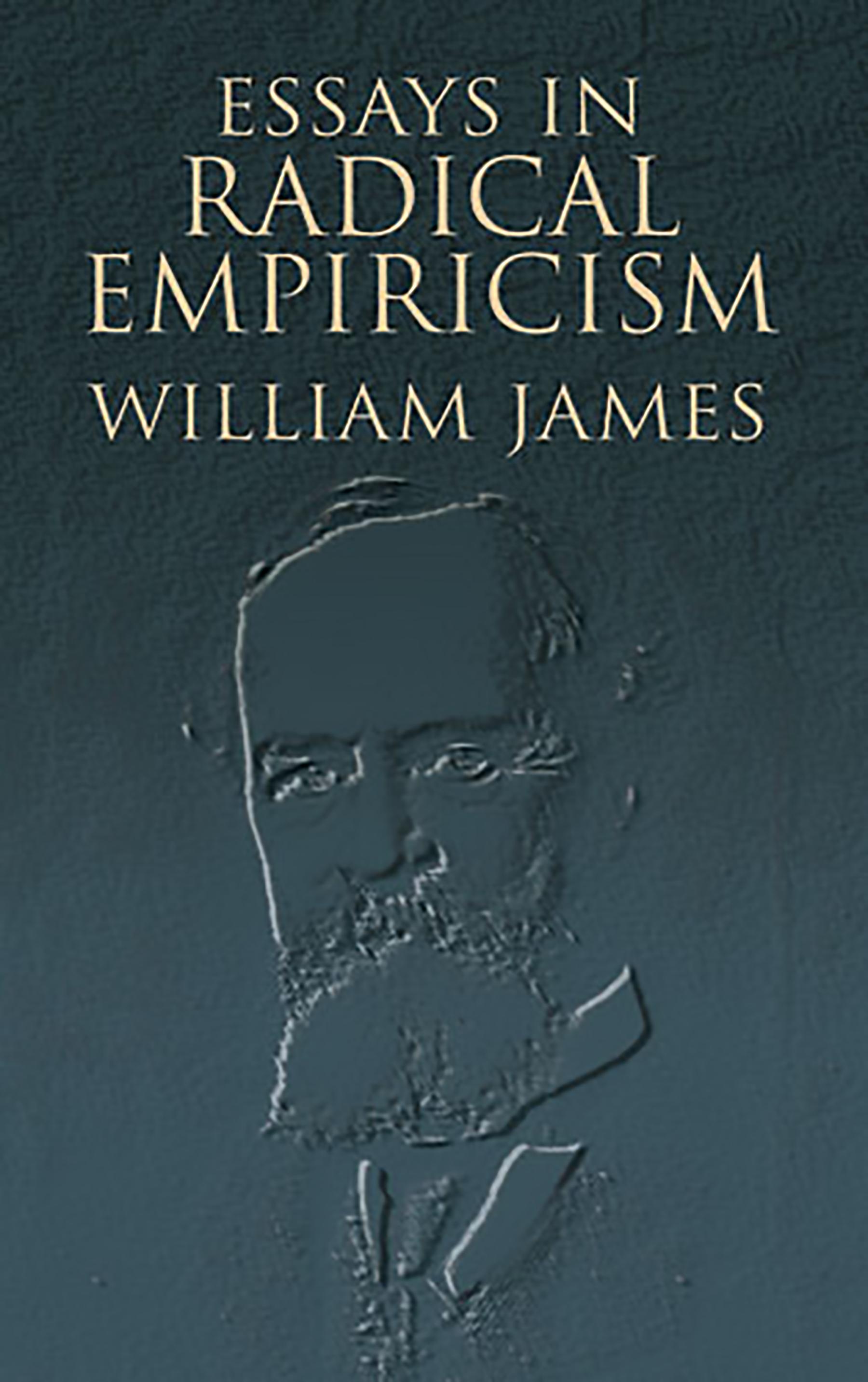
The influential philosopher's preoccupation with ultimate reality and his turn toward a metaphysical system are the focus of Essays in Radical Empiricism. Originally published in journals between 1884 and 1906, these 12 essays were selected by William James to illustrate the doctrine he called "radical empiricism" — a concept that made him the center of a new philosophic approach.
Proclaiming experience to be the ultimate reality, James explores the applications of experience to the problem of relations, the role of feeling in experience, and the nature of truth. He argues in favor of a pluralistic universe, denying that experience can be defined in terms of an absolute force determining the relationships between things and events. Relationships, regardless of whether they hold things together or apart, are as real as the things themselves — their functions are real, and there are no hidden factors responsible for life's harmonies and dissonances.
Seminal essays in this collection include "Does Consciousness Exist?: "The Essence of Humanism," and "Absolutism and Empiricism." In addition, this edition features a new translation of "On the Notion of Consciousness" — the first English rendering of the essay, which was written in French. Indispensable to an understanding of the great philosopher's other works, this systematic and compact treatment functions equally well in and out of the classroom.
Proclaiming experience to be the ultimate reality, James explores the applications of experience to the problem of relations, the role of feeling in experience, and the nature of truth. He argues in favor of a pluralistic universe, denying that experience can be defined in terms of an absolute force determining the relationships between things and events. Relationships, regardless of whether they hold things together or apart, are as real as the things themselves — their functions are real, and there are no hidden factors responsible for life's harmonies and dissonances.
Seminal essays in this collection include "Does Consciousness Exist?: "The Essence of Humanism," and "Absolutism and Empiricism." In addition, this edition features a new translation of "On the Notion of Consciousness" — the first English rendering of the essay, which was written in French. Indispensable to an understanding of the great philosopher's other works, this systematic and compact treatment functions equally well in and out of the classroom.
Zahle einfach mit Karte, Klarna, Apple Pay oder Google Pay. Nicht zufrieden? Du hast immer ein 14-tägiges Widerrufsrecht. Lies mehr in unseren AGB. Hast du Fragen, schreib uns eine E-Mail an hello@memmo.org.
Memmo macht das Lernen einfacher – wo auch immer du bist. Bei uns findest du deine Kursbücher und smarte Lerntools an einem Ort: Zusammenfassungen, Quizzes, Podcasts und Lernkarten. Und Ted, dein Lernbuddy, beantwortet alles, was du wissen möchtest. Über 50.000 Studierende lernen bereits hier – gemacht, damit du schneller lernst und weniger Stress hast.
Das könnte dir auch gefallen
Buch kaufen0