
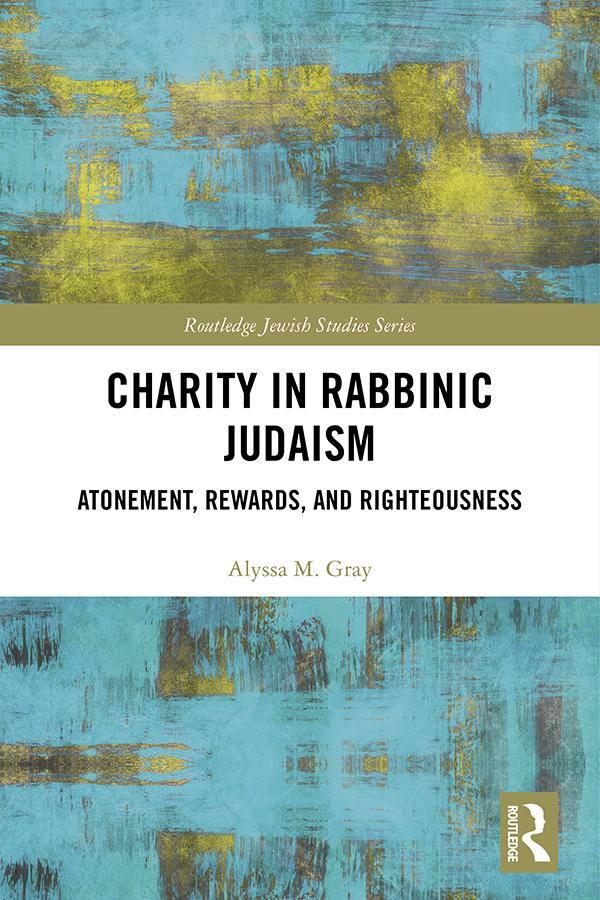
Studying the many ideas about how giving charity atones for sin and other rewards in late antique rabbinic literature, this volume contains many, varied, and even conflicting ideas, as the multiplicity must be recognized and allowed expression.
Topics include the significance of the rabbis’ use of the biblical word "tzedaqah" as charity, the coexistence of the idea that God is the ultimate recipient of tzedaqah along with rabbinic ambivalence about that idea, redemptive almsgiving, and the reward for charity of retention or increase in wealth. Rabbinic literature’s preference for "teshuvah" (repentance) over tzedeqah to atone for sin is also closely examined. Throughout, close attention is paid to chronological differences in these ideas, and to differences between the rabbinic compilations of the land of Israel and the Babylonian Talmud. The book extensively analyzes the various ways the Babylonian Talmud especially tends to put limits on the divine element in charity while privileging its human, this-worldly dimensions. This tendency also characterizes the Babylonian Talmud’s treatment of other topics. The book briefly surveys some post-Talmudic developments.
As the study fills a gap in existing scholarship on charity and the rabbis, it is an invaluable resource for scholars and clergy interested in charity within comparative religion, history, and religion.
Zahle einfach mit Karte, Klarna, Apple Pay oder Google Pay. Nicht zufrieden? Du hast immer ein 14-tägiges Widerrufsrecht. Lies mehr in unseren AGB. Hast du Fragen, schreib uns eine E-Mail an hello@memmo.org.
Memmo macht das Lernen einfacher – wo auch immer du bist. Bei uns findest du deine Kursbücher und smarte Lerntools an einem Ort: Zusammenfassungen, Quizzes, Podcasts und Lernkarten. Und Ted, dein Lernbuddy, beantwortet alles, was du wissen möchtest. Über 50.000 Studierende lernen bereits hier – gemacht, damit du schneller lernst und weniger Stress hast.