
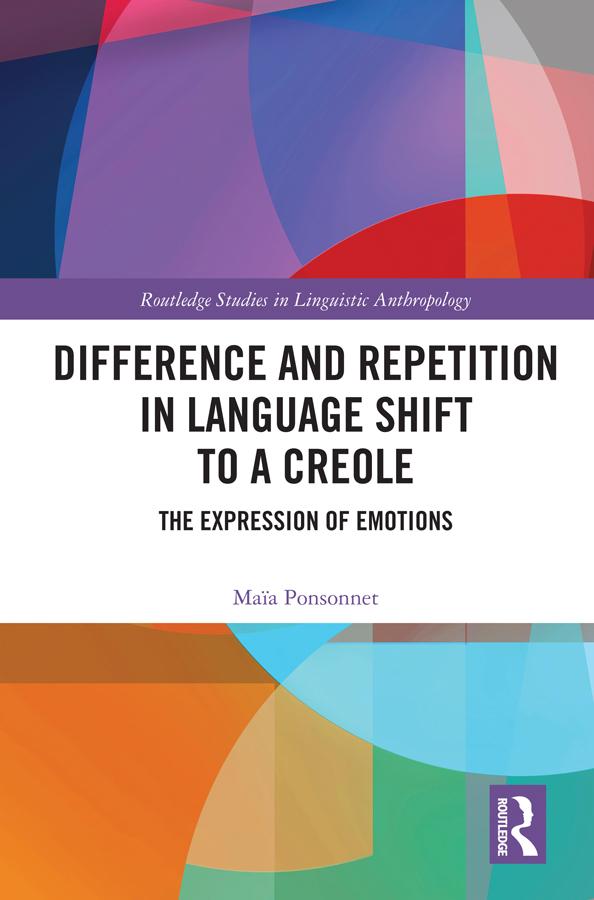
In today’s global commerce and communication, linguistic diversity is in steady decline across the world as speakers of smaller languages adopt dominant forms. While this phenomenon, known as ‘language shift’, is usually regarded as a loss, this book adopts a different angle and addresses the following questions:
- What difference does using a new language make to the way speakers communicate in everyday life?
- Can the grammatical and lexical architectures of individual languages influence what speakers express?
- In other words, to what extent does adopting a new language alter speakers’ day-to-day communication practices, and in turn, perhaps, their social life and world views?
To answer these questions, this book studies the expression of emotions in two languages on each side of a shift: Kriol, an English-based creole spoken in northern Australia, and Dalabon (Gunwinyguan, non-Pama-Nyungan), an Australian Aboriginal language that is being replaced by Kriol.
This volume is the first to explore the influence of the formal properties of language on the expression of emotions, as well as the first description of the linguistic encoding of emotions in a creole language. The cross-disciplinary approach will appeal to linguists, psychologists, anthropologists and other social scientists.
Zahle einfach mit Karte, Klarna, Apple Pay oder Google Pay. Nicht zufrieden? Du hast immer ein 14-tägiges Widerrufsrecht. Lies mehr in unseren AGB. Hast du Fragen, schreib uns eine E-Mail an hello@memmo.org.
Memmo macht das Lernen einfacher – wo auch immer du bist. Bei uns findest du deine Kursbücher und smarte Lerntools an einem Ort: Zusammenfassungen, Quizzes, Podcasts und Lernkarten. Und Ted, dein Lernbuddy, beantwortet alles, was du wissen möchtest. Über 50.000 Studierende lernen bereits hier – gemacht, damit du schneller lernst und weniger Stress hast.