
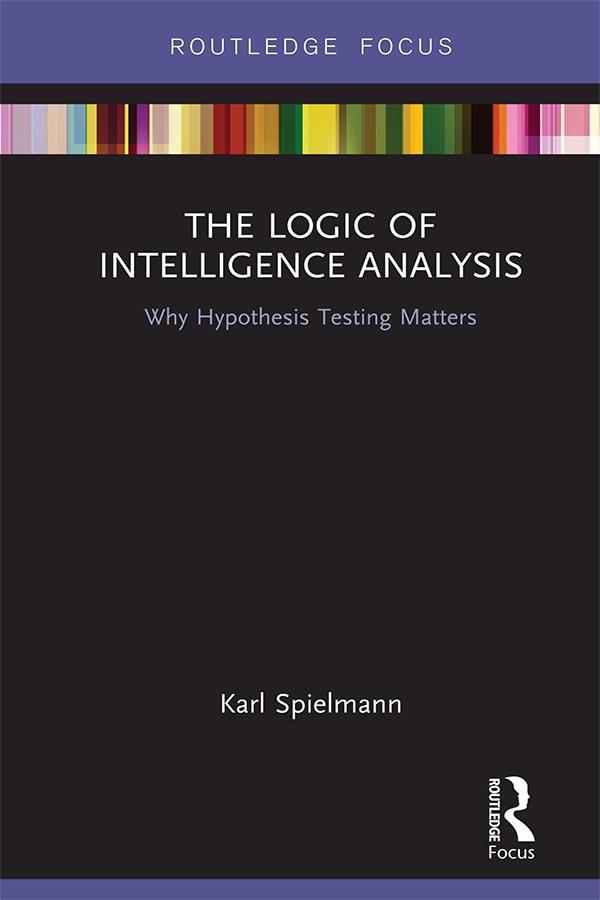
This book discusses the application of hypothesis testing to the practice of intelligence analysis.
By drawing on longstanding procedures of scientific method, particularly hypothesis testing, this book strongly critiques standard intelligence analytic practices. It shows these practices to be inadequate, as they are illogical in terms of what formal philosophy says any intelligence analysts can realistically be expected to know, and for the future when analysts will face pressures to adapt to digital age modeling techniques. The methodology focuses on identifying and remedying analytic errors caused by analyst cognitive biases and by foreign denial and deception. To demonstrate that it is a practical tool, it walks analysts through a case study, step by step, to show how its hypothesis testing can be implemented. It also invites a comparative test in the real world with any other intelligence methodologies to assess its strengths and weaknesses in predicting the outcome of an actual "live" intelligence issue.
This book will be of much interest to students of intelligence studies, public policy and national security, as well as practitioners.
Zahle einfach mit Karte, Klarna, Apple Pay oder Google Pay. Nicht zufrieden? Du hast immer ein 14-tägiges Widerrufsrecht. Lies mehr in unseren AGB. Hast du Fragen, schreib uns eine E-Mail an hello@memmo.org.
Memmo macht das Lernen einfacher – wo auch immer du bist. Bei uns findest du deine Kursbücher und smarte Lerntools an einem Ort: Zusammenfassungen, Quizzes, Podcasts und Lernkarten. Und Ted, dein Lernbuddy, beantwortet alles, was du wissen möchtest. Über 50.000 Studierende lernen bereits hier – gemacht, damit du schneller lernst und weniger Stress hast.