
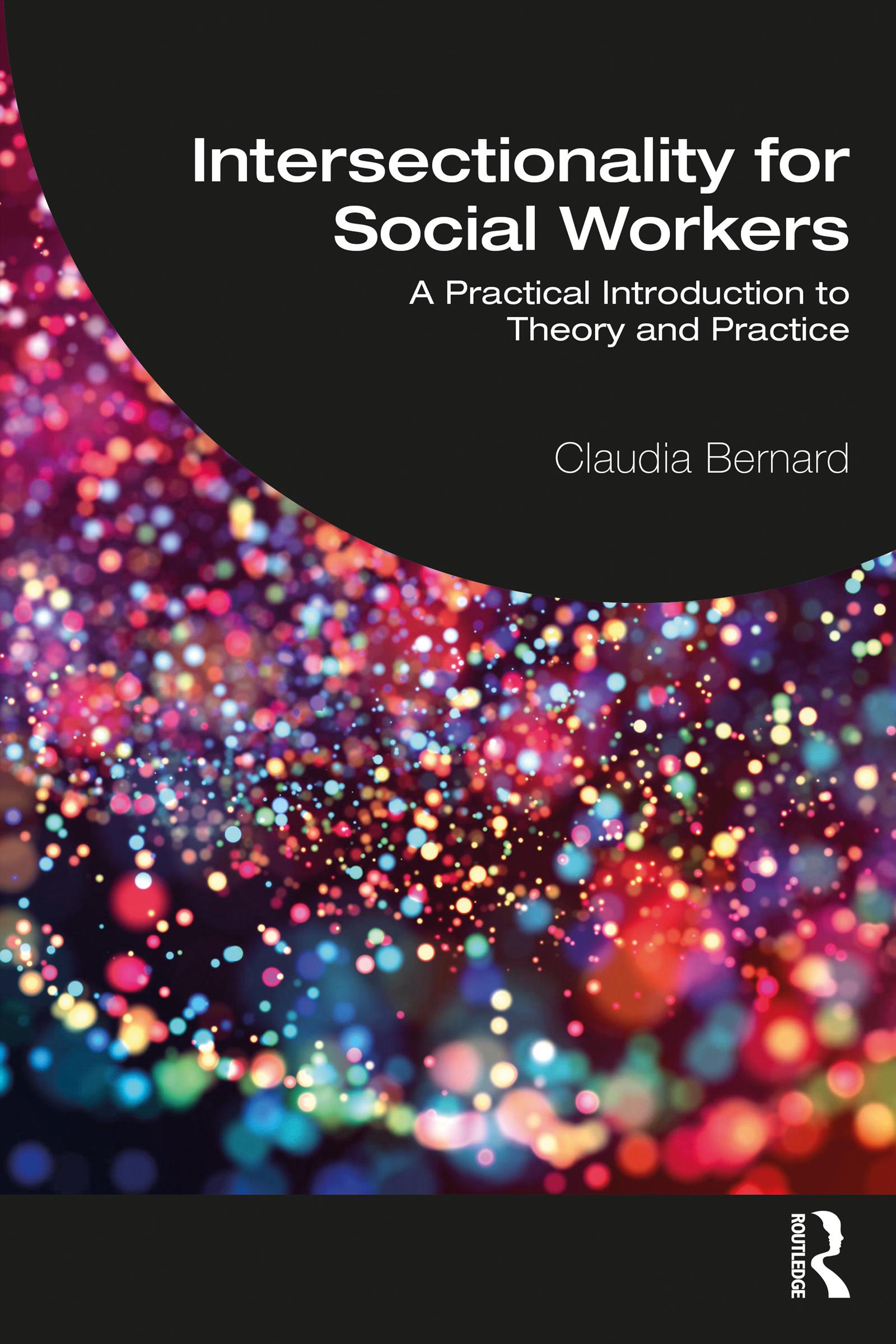
This book explores how intersectionality theory can be applied to social work practice with children and families, older people and mental health service users, and used to engage with diversity and difference in social work education and research.
With case-study examples and practice questions throughout, the book provides a model for integrating intersectionality theory into social work practice. It highlights the ways intersectional theory helps us to understand the complexities of working with the interlocking nature of problematised elements such as gender, race, class, sexuality, disability, and other axes of structural inequalities experienced by groups in subjugated social locations. Intersectionality is used to examine multiple forms of inequalities and the complexities and questions they give rise to in social work practice. The emphasis throughout is that intersectional approaches can open up social work practice to new understandings of the complex linkages of multiple and intersecting systems of oppression that shape the lived experiences of diverse groups of service users.
Providing an introduction to an intersectional theoretical framework for understanding the lives and experiences of socially disadvantaged service users, Intersectionality for Social Workers will be required reading on all modules on anti-oppressive and anti-discriminatory practice, sociology, and ethics and values in social work.
Zahle einfach mit Karte, Klarna, Apple Pay oder Google Pay. Nicht zufrieden? Du hast immer ein 14-tägiges Widerrufsrecht. Lies mehr in unseren AGB. Hast du Fragen, schreib uns eine E-Mail an hello@memmo.org.
Memmo macht das Lernen einfacher – wo auch immer du bist. Bei uns findest du deine Kursbücher und smarte Lerntools an einem Ort: Zusammenfassungen, Quizzes, Podcasts und Lernkarten. Und Ted, dein Lernbuddy, beantwortet alles, was du wissen möchtest. Über 50.000 Studierende lernen bereits hier – gemacht, damit du schneller lernst und weniger Stress hast.