
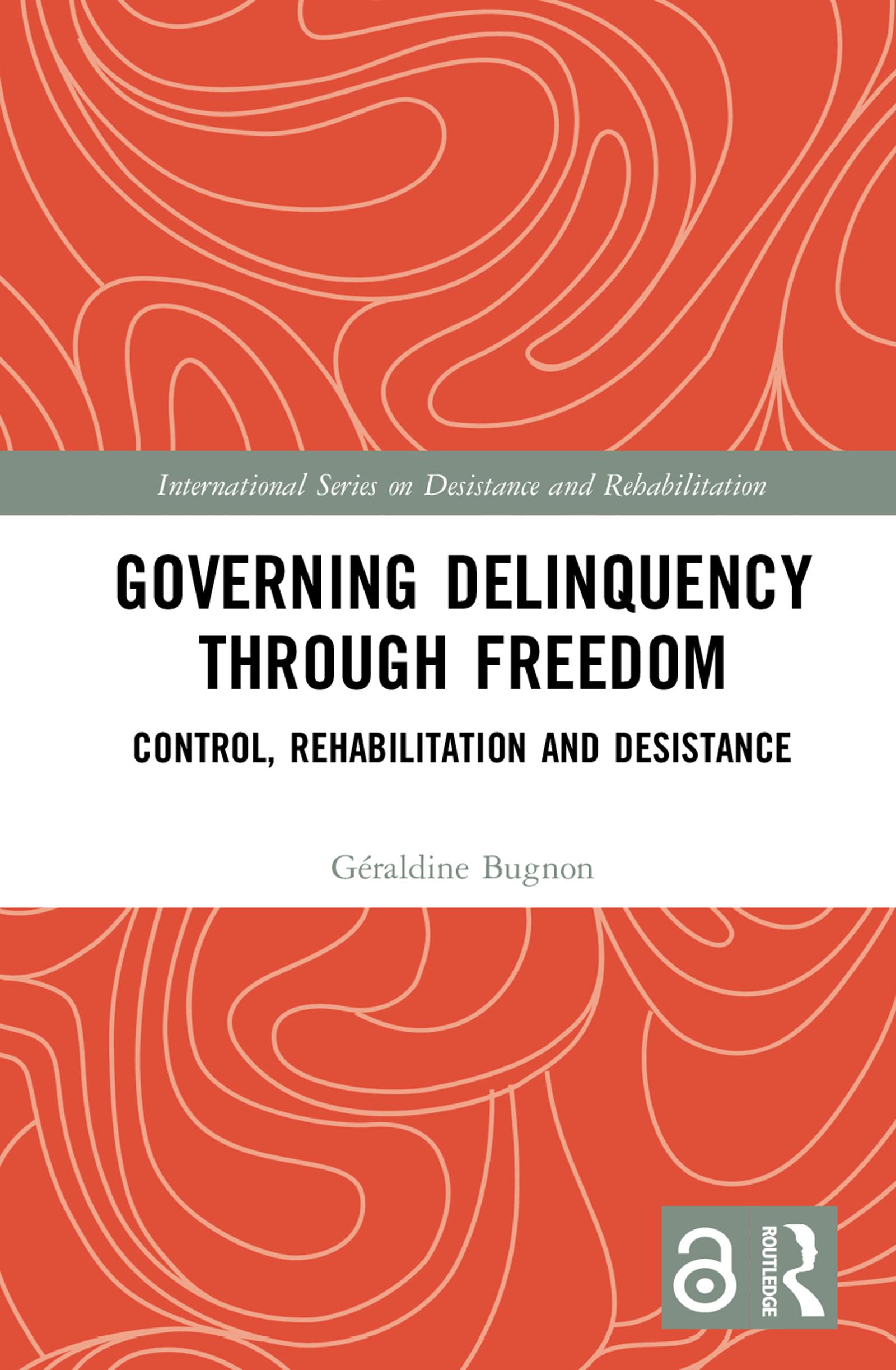
This book analyses the non-custodial government of young offenders in two major cities in Brazil. In doing so, it delves into the paradox of an institution exerting control over youths while at the same time promoting their autonomy and responsibility. The study sheds light on the specific logics of power, control, and inequality produced by such institutional settings.
The book’s analysis is based on an ethnographic study of ‘Assisted Freedom’ (Liberdade Assistida) – a form of probation – in the Brazilian cities of Rio de Janeiro and Belo Horizonte. This particular context – which is characterized by endemic violent crime, on the one hand, and a highly protective juvenile justice system, on the other – sheds productive light on the contradictions of juvenile justice systems and other public policies based on the values of citizenship, autonomy, and responsibilization. The analysis takes the form of an inverted zoom structure: it begins by looking at cognitive and interactional processes at the level of interpersonal relationships between youths and professionals, and then works its way up to examine ties outside the institution itself, with schools, the labour market, and juvenile courts.
Written in a clear and direct style, this book will appeal to students and scholars in criminology, sociology, cultural studies, and social theory and those interested in learning about non-custodial measures and the regulation of juvenile delinquency.
Zahle einfach mit Karte, Klarna, Apple Pay oder Google Pay. Nicht zufrieden? Du hast immer ein 14-tägiges Widerrufsrecht. Lies mehr in unseren AGB. Hast du Fragen, schreib uns eine E-Mail an hello@memmo.org.
Memmo macht das Lernen einfacher – wo auch immer du bist. Bei uns findest du deine Kursbücher und smarte Lerntools an einem Ort: Zusammenfassungen, Quizzes, Podcasts und Lernkarten. Und Ted, dein Lernbuddy, beantwortet alles, was du wissen möchtest. Über 50.000 Studierende lernen bereits hier – gemacht, damit du schneller lernst und weniger Stress hast.