
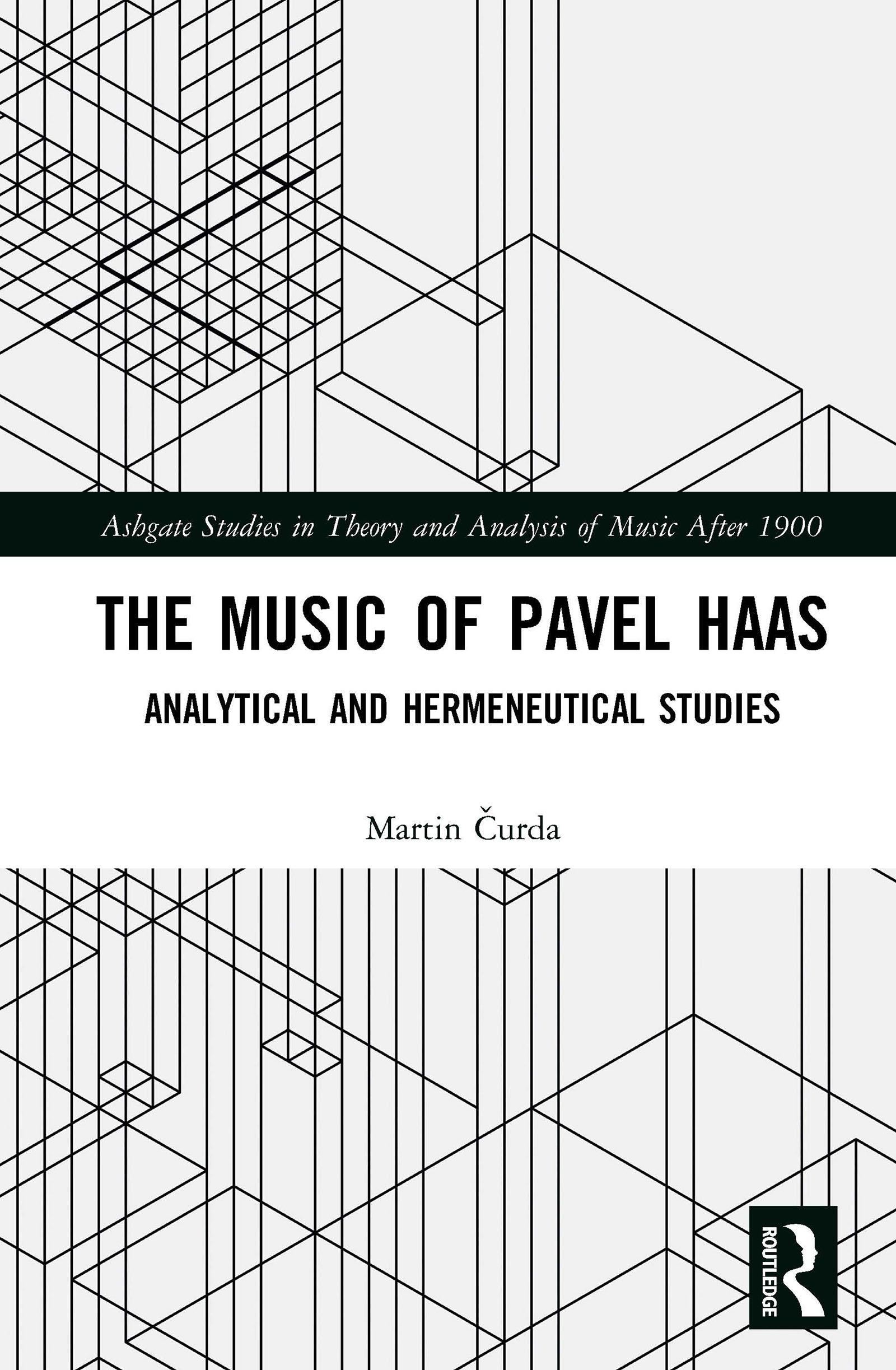
The Czech composer Pavel Haas (1899–1944) is commonly positioned in the history of twentieth-century music as a representative of Leoš Janáček’s compositional school and as one of the Jewish composers imprisoned by the Nazis in the concentration camp of Terezín (Theresienstadt). However, the nature of Janáček’s influence remains largely unexplained and the focus on the context of the Holocaust tends to yield a one-sided view of Haas’s oeuvre. The existing scholarship offers limited insight into Haas’s compositional idiom and does not sufficiently explain the composer’s position with respect to broader aesthetic trends and artistic networks in inter-war Czechoslovakia and beyond. This book is the first attempt to provide a comprehensive (albeit necessarily selective) discussion of Haas’s music since the publication of Lubomír Peduzzi’s ‘life and work’ monograph in 1993. It provides the reader with an enhanced understanding of Haas’s music through analytical and hermeneutical interpretation as well as cultural and aesthetic contextualisation, and thus reveal the rich nuances of Haas’s multi-faceted work which have not been sufficiently recognised so far.
Zahle einfach mit Karte, Klarna, Apple Pay oder Google Pay. Nicht zufrieden? Du hast immer ein 14-tägiges Widerrufsrecht. Lies mehr in unseren AGB. Hast du Fragen, schreib uns eine E-Mail an hello@memmo.org.
Memmo macht das Lernen einfacher – wo auch immer du bist. Bei uns findest du deine Kursbücher und smarte Lerntools an einem Ort: Zusammenfassungen, Quizzes, Podcasts und Lernkarten. Und Ted, dein Lernbuddy, beantwortet alles, was du wissen möchtest. Über 50.000 Studierende lernen bereits hier – gemacht, damit du schneller lernst und weniger Stress hast.