
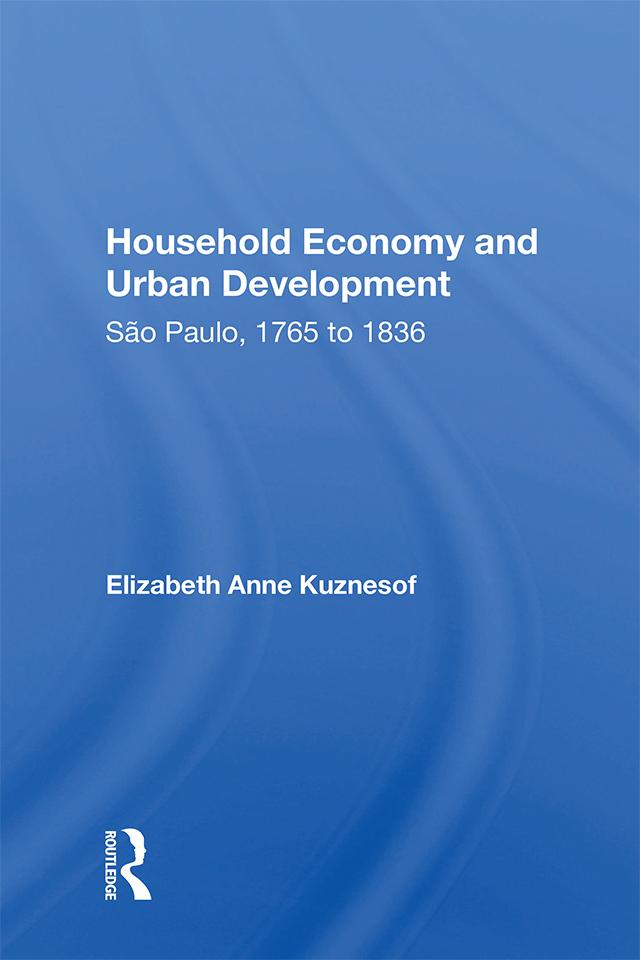
Between 1765 and 1836 the household economy of São Paulo was transformed from a subsistence to a market-oriented economy. This transformation was paralleled by dramatic changes within society, existing kinship systems, and the organization of the household. The author suggests that this fundamental change in the mode of production was intentional, engineered by an interested elite of merchants and plantation owners who utilized local government bodies to promote the construction of centralized markets, roads, warehouses, and port facilities. The same group sponsored changes in local administration and land law in order to increase and control the resultant commerce in sugar and coffee. This book, based on household-level census data, looks at economic development at the micro level and analyzes how the change took place at a juncture in history when prior options seemed to disappear.
Zahle einfach mit Karte, Klarna, Apple Pay oder Google Pay. Nicht zufrieden? Du hast immer ein 14-tägiges Widerrufsrecht. Lies mehr in unseren AGB. Hast du Fragen, schreib uns eine E-Mail an hello@memmo.org.
Memmo macht das Lernen einfacher – wo auch immer du bist. Bei uns findest du deine Kursbücher und smarte Lerntools an einem Ort: Zusammenfassungen, Quizzes, Podcasts und Lernkarten. Und Ted, dein Lernbuddy, beantwortet alles, was du wissen möchtest. Über 50.000 Studierende lernen bereits hier – gemacht, damit du schneller lernst und weniger Stress hast.
Das könnte dir auch gefallen
Buch kaufen0