
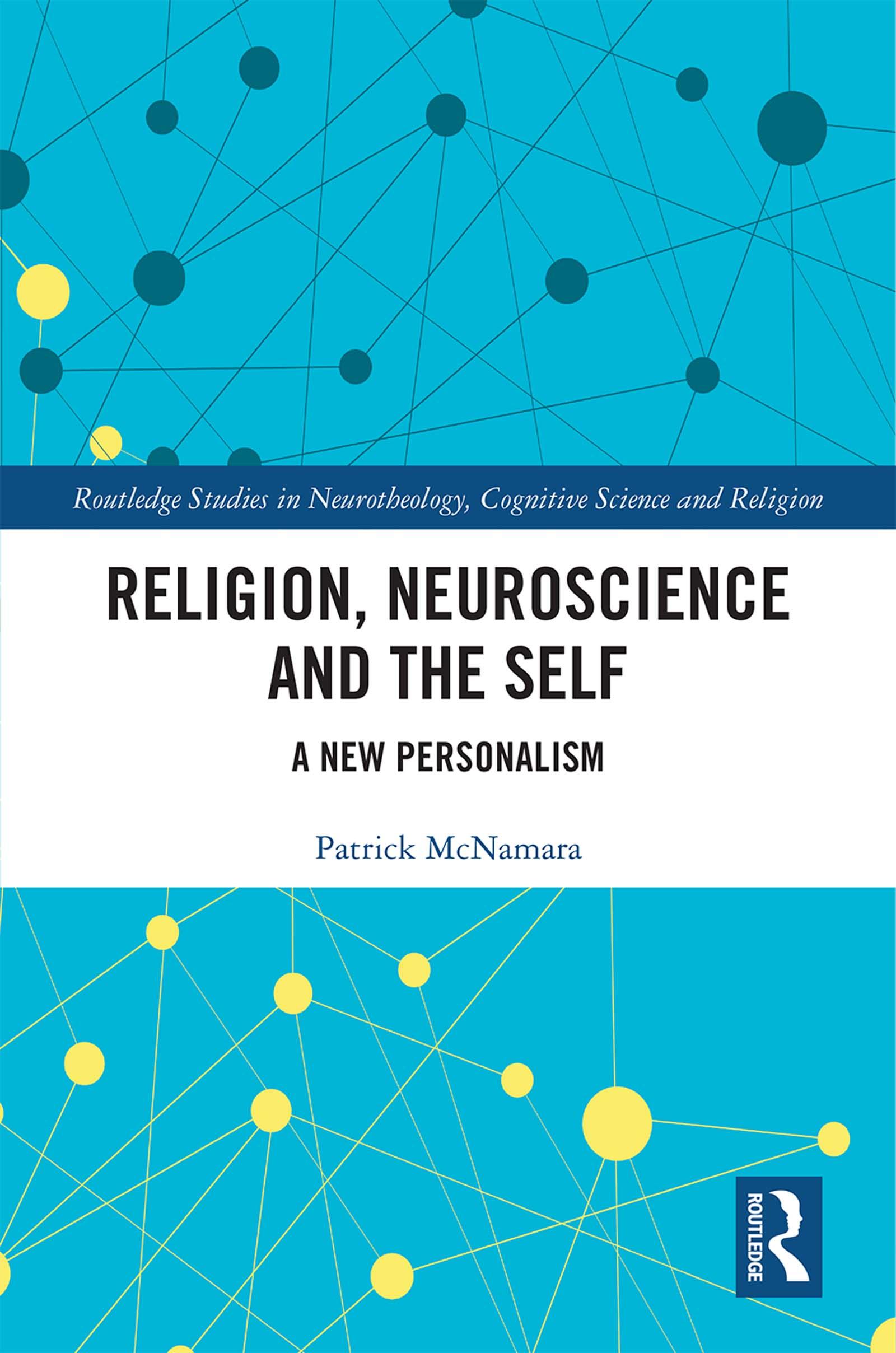
The purpose of this book is to use neuroscience discoveries concerning religious experiences, the Self and personhood to deepen, enhance and interrogate the theological and philosophical set of ideas known as Personalism. McNamara proposes a new eschatological form of personalism that is consistent with current neuroscience models of relevant brain functions concerning the self and personhood and that can meet the catastrophic challenges of the 21st century.
Eschatological Personalism, rooted in the philosophical tradition of "Boston Personalism", takes as its starting point the personalist claim that the significance of a self and personality is not fully revealed until it has reached its endpoint, but theologically that end point can only occur within the eschatological realm. That realm is explored in the book along with implications for personalist theory and ethics. Topics covered include the agent intellect, dreams and the imagination, future-orientation and eschatology, phenomenology of Time, social ethics, Love, the challenge of AI, privacy and solitude and the individual ethic of autarchy.
This book is an innovative combination of the neuroscientific and theological insights provided by a Personalist viewpoint. As such, it will be of great interest to scholars of Cognitive Science, Theology, Religious Studies and the philosophy of the mind.
Zahle einfach mit Karte, Klarna, Apple Pay oder Google Pay. Nicht zufrieden? Du hast immer ein 14-tägiges Widerrufsrecht. Lies mehr in unseren AGB. Hast du Fragen, schreib uns eine E-Mail an hello@memmo.org.
Memmo macht das Lernen einfacher – wo auch immer du bist. Bei uns findest du deine Kursbücher und smarte Lerntools an einem Ort: Zusammenfassungen, Quizzes, Podcasts und Lernkarten. Und Ted, dein Lernbuddy, beantwortet alles, was du wissen möchtest. Über 50.000 Studierende lernen bereits hier – gemacht, damit du schneller lernst und weniger Stress hast.