
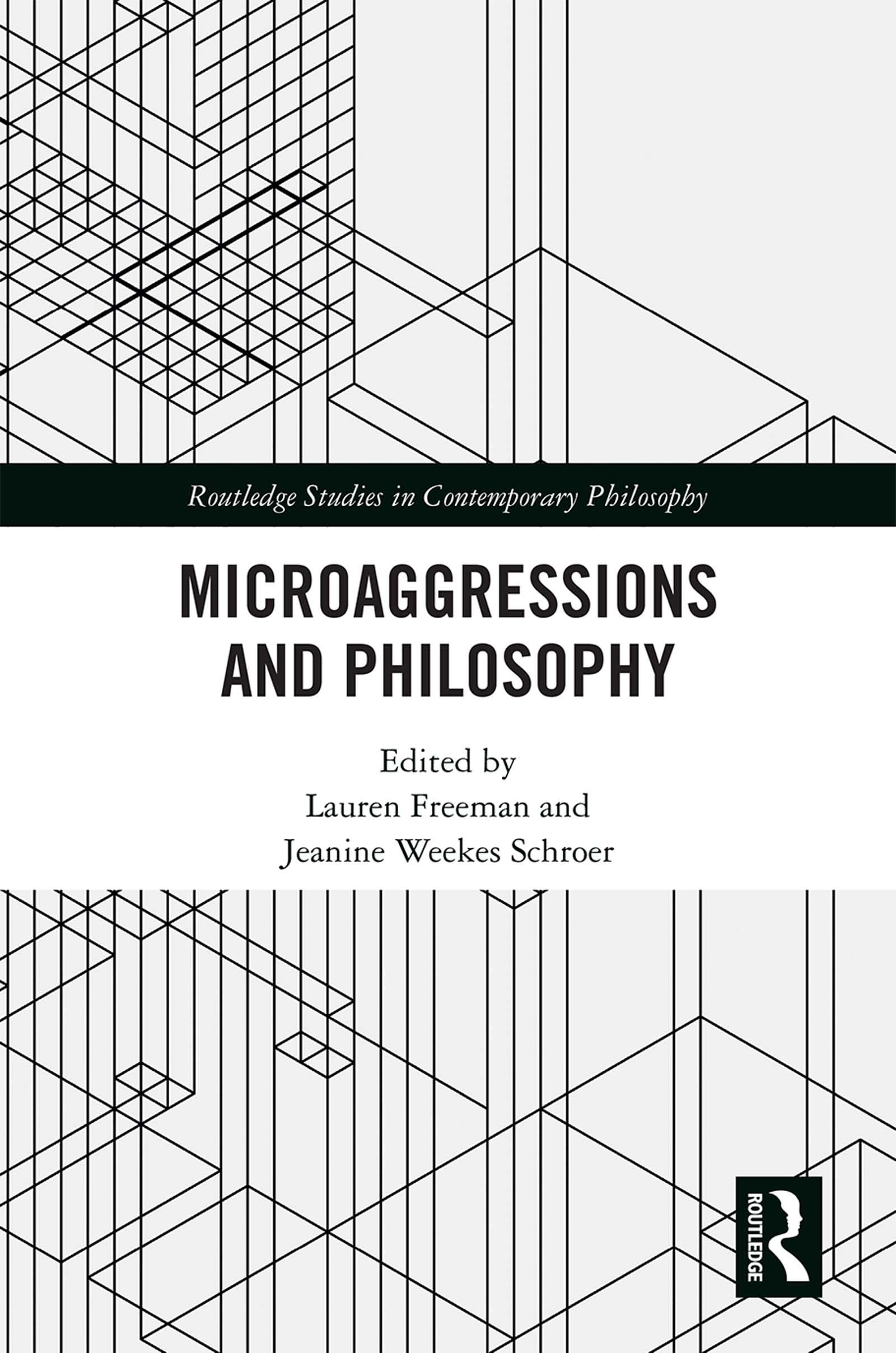
This is the first book to offer a philosophical engagement with microaggressions. It aims to provide an intersectional analysis of microaggressions that cuts across multiple dimensions of oppression and marginalization, and to engage a variety of perspectives that have been sidelined within the discipline of philosophy. The volume gathers a diverse group of contributors: philosophers of color, philosophers with disabilities, philosophers of various nationalities and ethnicities, and philosophers of several gender identities. Their unique frames of analysis articulate both how the concept of microaggressions can be used to clarify and sharpen our understanding of subtler aspects of oppression and how analysis, expansion, and reconceiving the notion of a microaggression can deepen and extend its explanatory power. The essays in the volume seek to defend microaggressions from common critiques and to explain their impact beyond the context of college students. Some of the guiding questions that this volume explores include, but are not limited to, the following: Can microaggressions be established as a viable scientific concept? What roles do microaggressions play in other oppressive phenomena like transphobia, fat phobia, and abelism? How can epistemological challenges around microaggressions be addressed via feminist theory, critical race theory, disability theory, or epistemologies of ignorance? What insights can be gleaned from intersectional analyses of microaggressions? Are there domain-specific analyses of microaggressions that would give insight to features of that domain, i.e. microaggressions related to sexuality, athletics, immigration status, national origin, body type, or ability.
Microaggressions and Philosophy features cutting-edge research on an important topic that will appeal to a wide range of students and scholars across disciplines. It includes perspectives from philosophy of psychology, empirically informed philosophy, feminist philosophy, critical race theory, disability theory, philosophy of language, philosophy of science, and social and political philosophy.
Zahle einfach mit Karte, Klarna, Apple Pay oder Google Pay. Nicht zufrieden? Du hast immer ein 14-tägiges Widerrufsrecht. Lies mehr in unseren AGB. Hast du Fragen, schreib uns eine E-Mail an hello@memmo.org.
Memmo macht das Lernen einfacher – wo auch immer du bist. Bei uns findest du deine Kursbücher und smarte Lerntools an einem Ort: Zusammenfassungen, Quizzes, Podcasts und Lernkarten. Und Ted, dein Lernbuddy, beantwortet alles, was du wissen möchtest. Über 50.000 Studierende lernen bereits hier – gemacht, damit du schneller lernst und weniger Stress hast.