
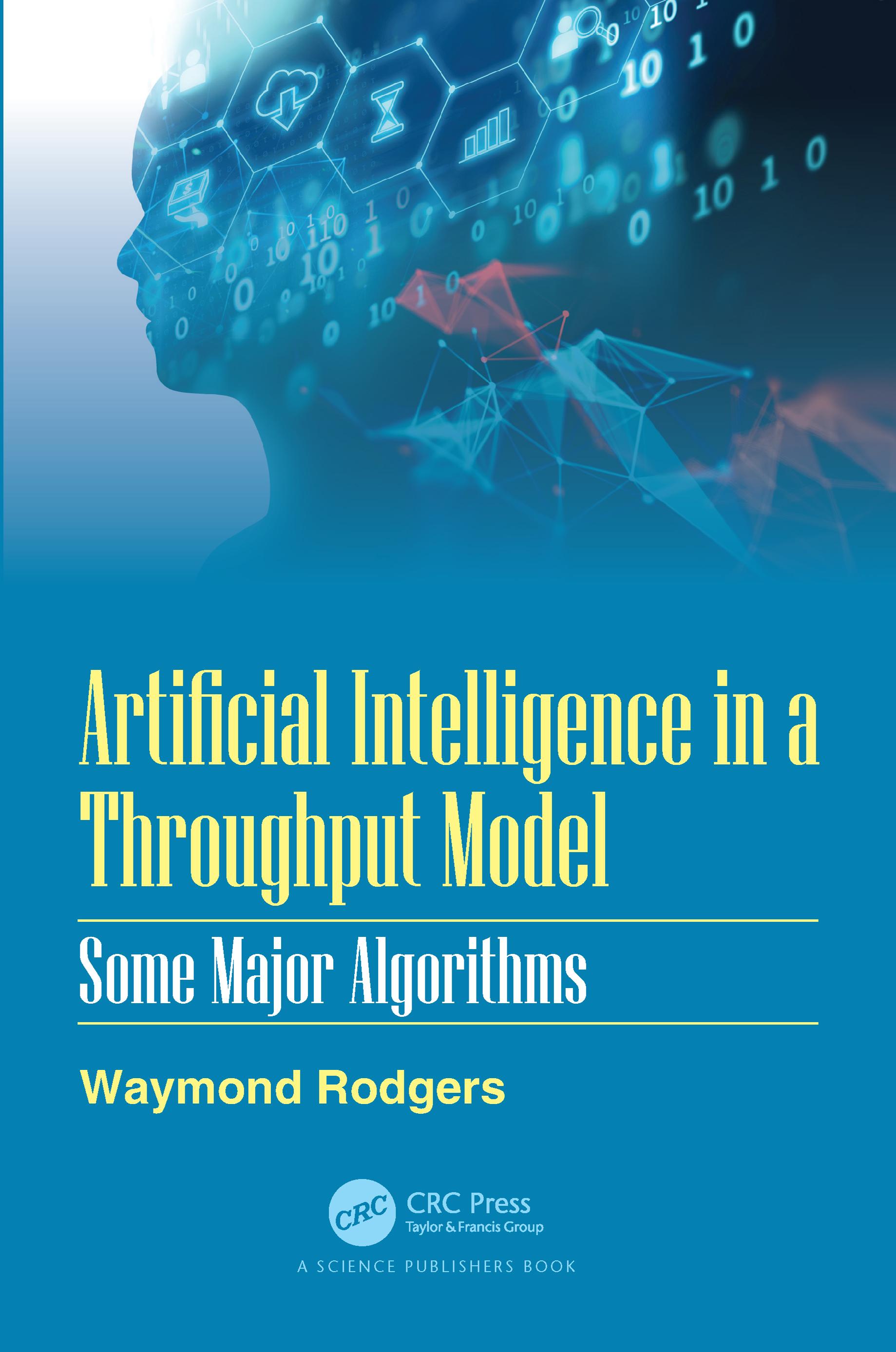
Physical and behavioral biometric technologies such as fingerprinting, facial recognition, voice identification, etc. have enhanced the level of security substantially in recent years. Governments and corporates have employed these technologies to achieve better customer satisfaction. However, biometrics faces major challenges in reducing criminal, terrorist activities and electronic frauds, especially in choosing appropriate decision-making algorithms. To face this challenge, new developments have been made, that amalgamate biometrics with artificial intelligence (AI) in decision-making modeling. Advanced software algorithms of AI, processing information offered by biometric technology, achieve better results. This has led to growth in the biometrics technology industry, and is set to increase the security and internal control operations manifold.
This book provides an overview of the existing biometric technologies, decision-making algorithms and the growth opportunity in biometrics. The book proposes a throughput model, which draws on computer science, economics and psychology to model perceptual, informational sources, judgmental processes and decision choice algorithms. It reviews how biometrics might be applied to reduce risks to individuals and organizations, especially when dealing with digital-based media.
Zahle einfach mit Karte, Klarna, Apple Pay oder Google Pay. Nicht zufrieden? Du hast immer ein 14-tägiges Widerrufsrecht. Lies mehr in unseren AGB. Hast du Fragen, schreib uns eine E-Mail an hello@memmo.org.
Memmo macht das Lernen einfacher – wo auch immer du bist. Bei uns findest du deine Kursbücher und smarte Lerntools an einem Ort: Zusammenfassungen, Quizzes, Podcasts und Lernkarten. Und Ted, dein Lernbuddy, beantwortet alles, was du wissen möchtest. Über 50.000 Studierende lernen bereits hier – gemacht, damit du schneller lernst und weniger Stress hast.