
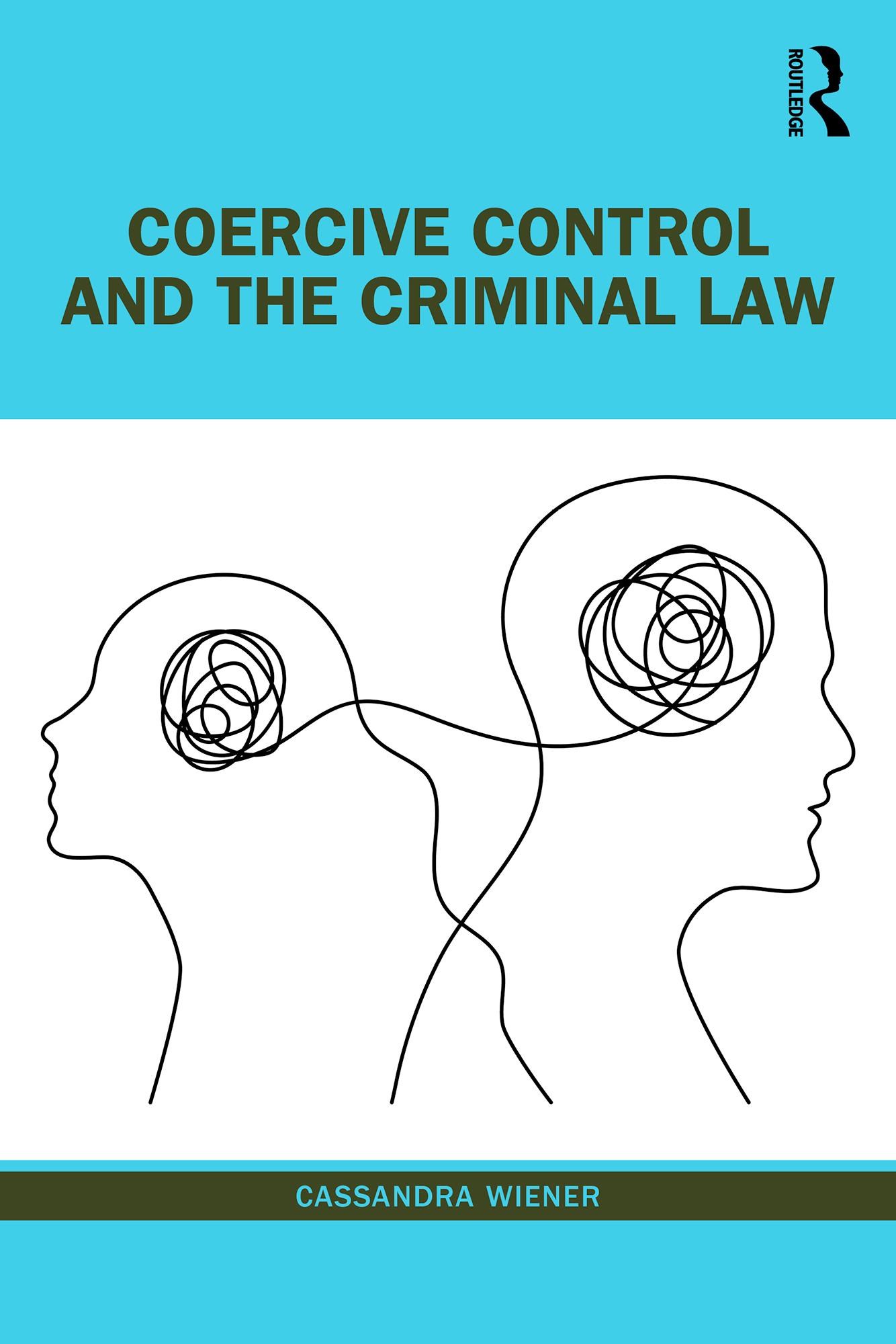
This book considers how a phenomenon as complex as coercive control can be criminalised. The recognition and ensuing criminalisation of coercive control in the UK and Ireland has been the focus of considerable international attention. It has generated complex questions about the "best" way to criminalise domestic abuse. This work reviews recent domestic abuse criminal law reform in the UK and Ireland. In particular, it defines coercive control and explains why using traditional criminal law approaches to prosecute it does not work. Laws passed in England and Wales versus Scotland represent two different approaches to translating coercive control into a criminal offence. This volume explains how and why the jurisdictions have taken different approaches and examines the advantages and disadvantages of each. As jurisdictions around the world review what steps need to be taken to improve national criminal justice responses to domestic abuse, the question of what works, and why, at the intersection of domestic abuse and the criminal law has never been more important. As such, the book will be a vital resource for lawyers, policy-makers and activists with an interest in domestic abuse law reform.
Zahle einfach mit Karte, Klarna, Apple Pay oder Google Pay. Nicht zufrieden? Du hast immer ein 14-tägiges Widerrufsrecht. Lies mehr in unseren AGB. Hast du Fragen, schreib uns eine E-Mail an hello@memmo.org.
Memmo macht das Lernen einfacher – wo auch immer du bist. Bei uns findest du deine Kursbücher und smarte Lerntools an einem Ort: Zusammenfassungen, Quizzes, Podcasts und Lernkarten. Und Ted, dein Lernbuddy, beantwortet alles, was du wissen möchtest. Über 50.000 Studierende lernen bereits hier – gemacht, damit du schneller lernst und weniger Stress hast.