
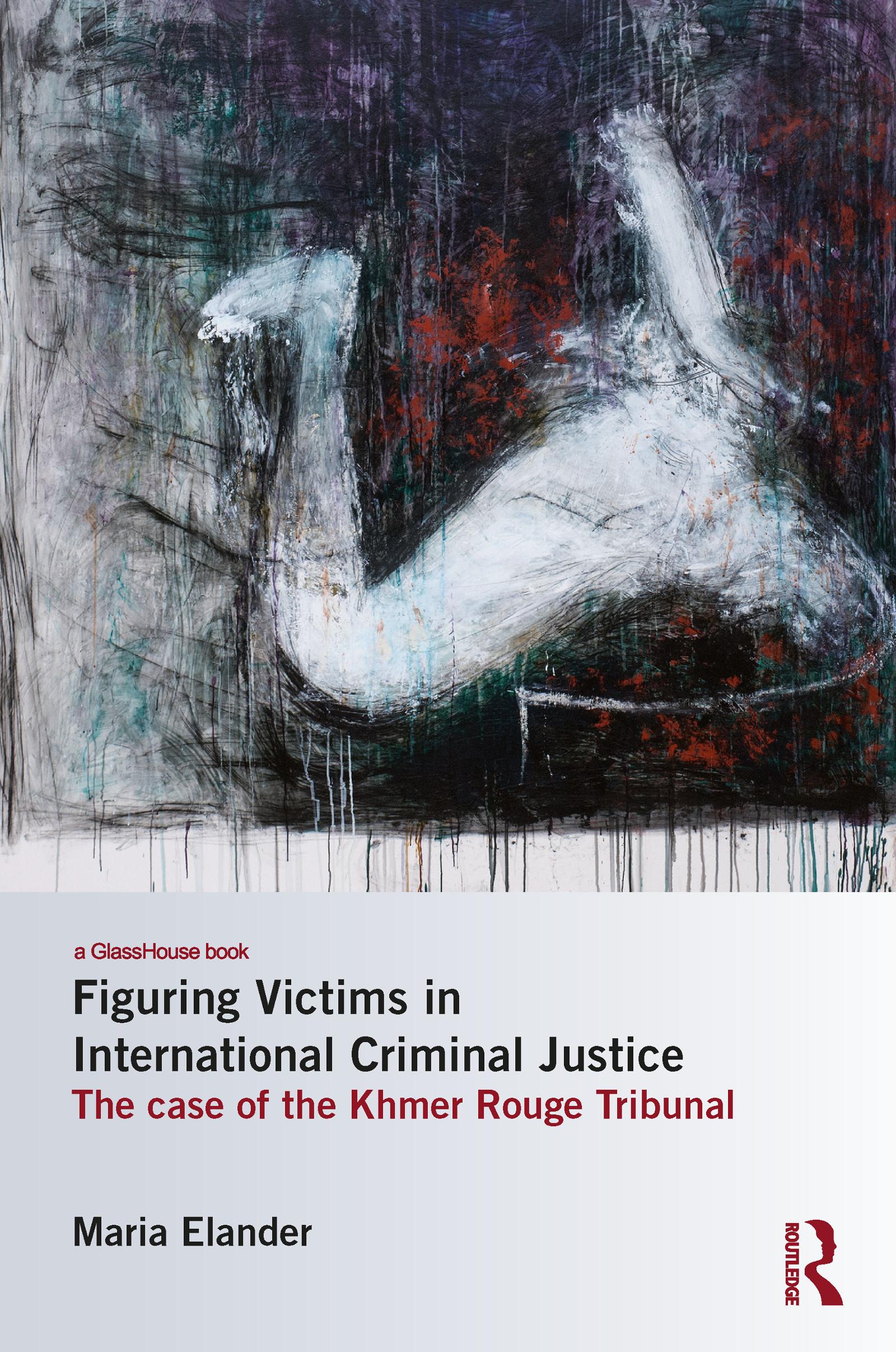
Most discourses on victims in international criminal justice take the subject of victims for granted, as an identity and category existing exogenously to the judicial process. This book takes a different approach. Through a close reading of the institutional practices of one particular court, it demonstrates how court practices produce the subjectivity of the victim, a subjectivity that is profoundly of law and endogenous to the enterprise of international criminal justice. Furthermore, by situating these figurations within the larger aspirations of the court, the book shows how victims have come to constitute and represent the link between international criminal law and the enterprise of transitional justice. The book takes as its primary example the Extraordinary Chambers in the Courts of Cambodia (ECCC), or the Khmer Rouge Tribunal as it is also called. Focusing on the representation of victims in crimes against humanity, victim participation and photographic images, the book engages with a range of debates and scholarship in law, feminist theory and cultural legal theory. Furthermore, by paying attention to a broader range of institutional practices, Figuring Victims makes an innovative scholarly contribution to the debates on the roles and purposes of international criminal justice.
Zahle einfach mit Karte, Klarna, Apple Pay oder Google Pay. Nicht zufrieden? Du hast immer ein 14-tägiges Widerrufsrecht. Lies mehr in unseren AGB. Hast du Fragen, schreib uns eine E-Mail an hello@memmo.org.
Memmo macht das Lernen einfacher – wo auch immer du bist. Bei uns findest du deine Kursbücher und smarte Lerntools an einem Ort: Zusammenfassungen, Quizzes, Podcasts und Lernkarten. Und Ted, dein Lernbuddy, beantwortet alles, was du wissen möchtest. Über 50.000 Studierende lernen bereits hier – gemacht, damit du schneller lernst und weniger Stress hast.