
Winner of the Inaugural Book Prize from the Australia & Aotearoa New Zealand Environmental History Network
A compelling environmental history of a critical ecosystem under threat
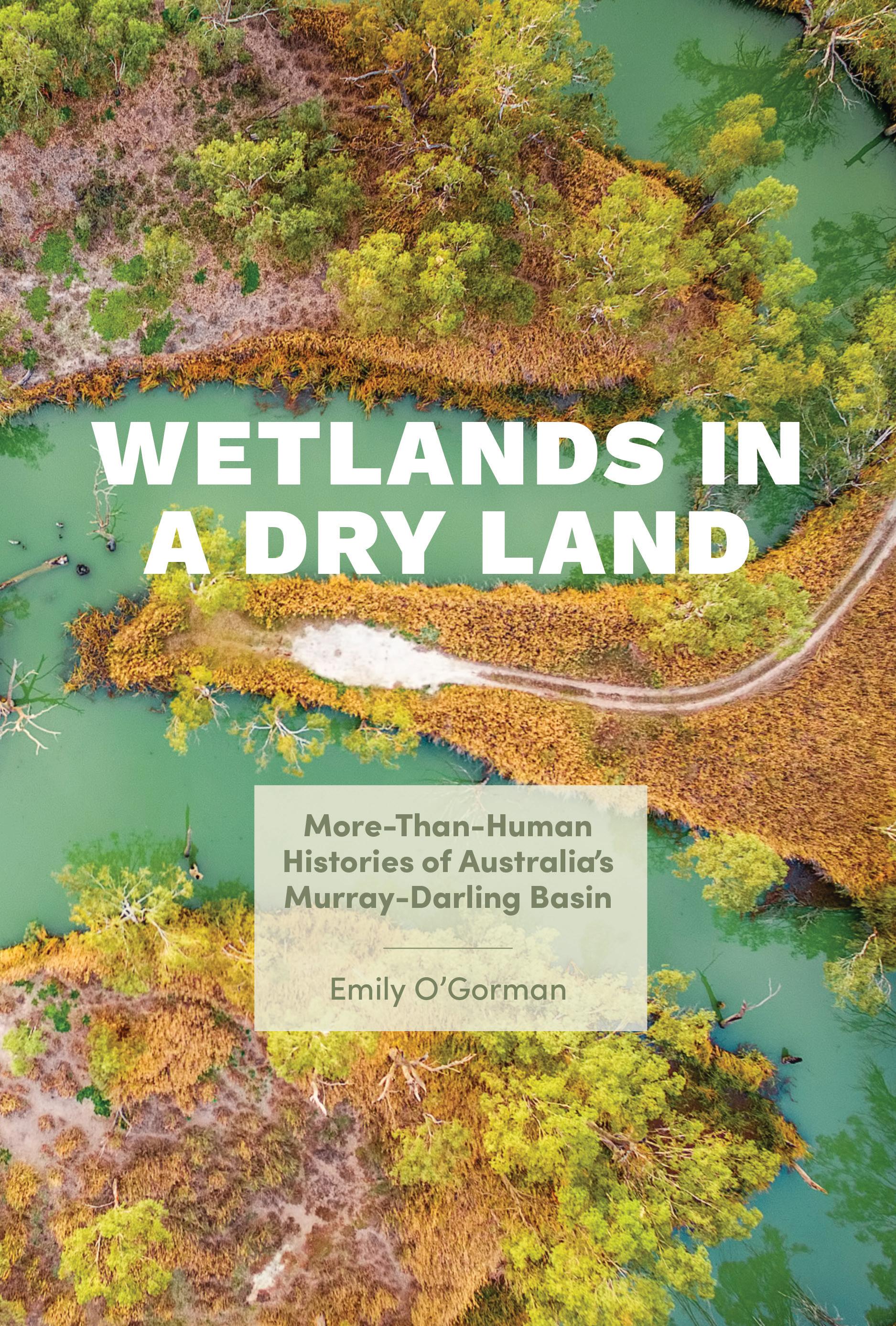
In the name of agriculture, urban growth, and disease control, humans have drained, filled, or otherwise destroyed nearly 87 percent of the world’s wetlands over the past three centuries. Unintended consequences include biodiversity loss, poor water quality, and the erosion of cultural sites, and only in the past few decades have wetlands been widely recognized as worth preserving. Emily O’Gorman asks, What has counted as a wetland, for whom, and with what consequences?
Using the Murray-Darling Basin—a massive river system in eastern Australia that includes over 30,000 wetland areas—as a case study and drawing on archival research and original interviews, O’Gorman examines how people and animals have shaped wetlands from the late nineteenth century to today. She illuminates deeper dynamics by relating how Aboriginal peoples acted then and now as custodians of the landscape, despite the policies of the Australian government; how the movements of water birds affected farmers; and how mosquitoes have defied efforts to fully understand, let alone control, them. Situating the region’s history within global environmental humanities conversations, O’Gorman argues that we need to understand wetlands as socioecological landscapes in order to create new kinds of relationships with and futures for these places.
Zahle einfach mit Karte, Klarna, Apple Pay oder Google Pay. Nicht zufrieden? Du hast immer ein 14-tägiges Widerrufsrecht. Lies mehr in unseren AGB. Hast du Fragen, schreib uns eine E-Mail an hello@memmo.org.
Memmo macht das Lernen einfacher – wo auch immer du bist. Bei uns findest du deine Kursbücher und smarte Lerntools an einem Ort: Zusammenfassungen, Quizzes, Podcasts und Lernkarten. Und Ted, dein Lernbuddy, beantwortet alles, was du wissen möchtest. Über 50.000 Studierende lernen bereits hier – gemacht, damit du schneller lernst und weniger Stress hast.