
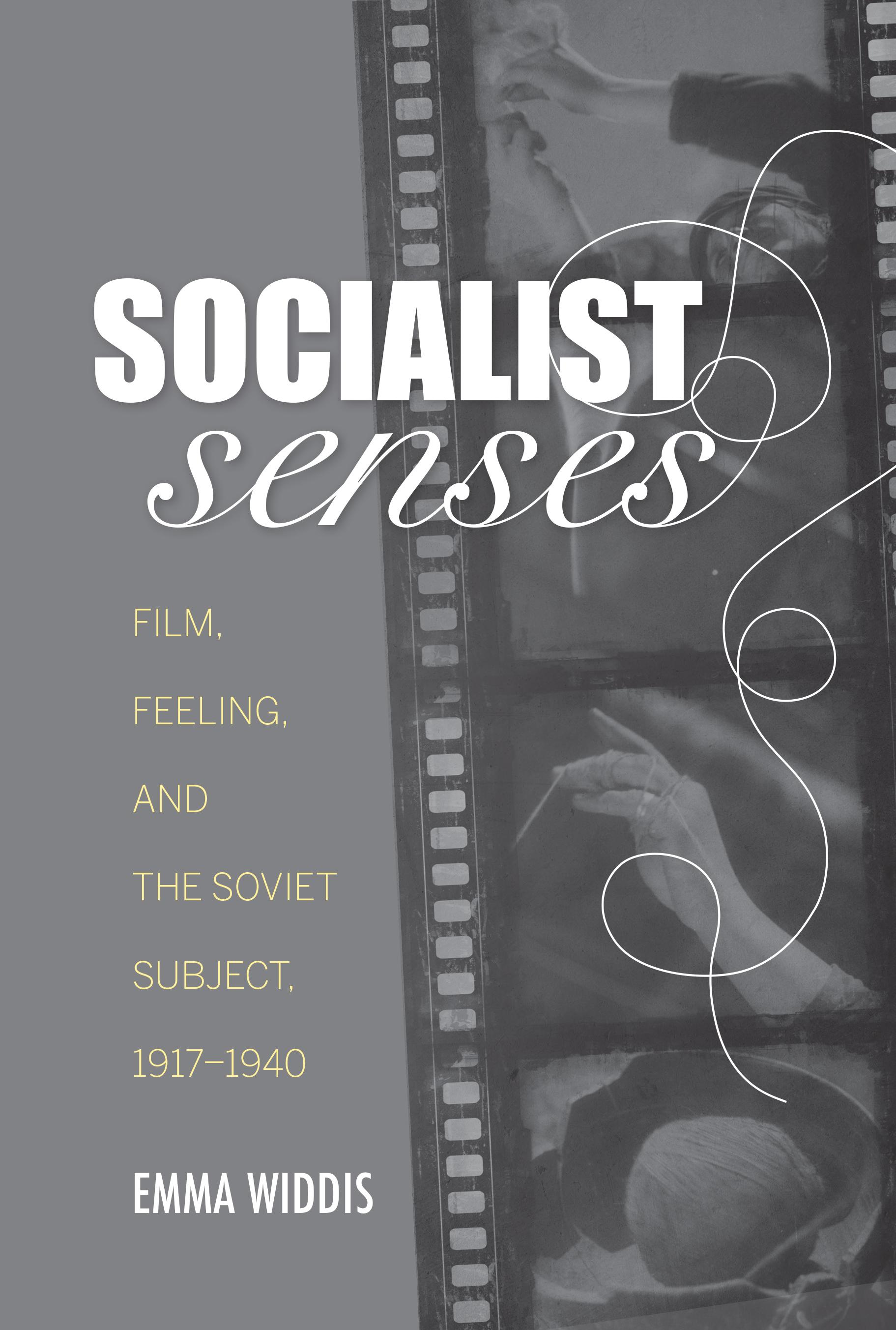
This major reimagining of the history of Soviet film and its cultural impact explores the fundamental transformations in how film, through the senses, remade the Soviet self in the 1920s and 1930s. Following the Russian Revolution, there was a shared ambition for a 'sensory revolution' to accompany political and social change: Soviet men and women were to be reborn into a revitalized relationship with the material world. Cinema was seen as a privileged site for the creation of this sensory revolution: film could both discover the world anew, and model a way of inhabiting it. Drawing upon an extraordinary array of films, noted scholar Emma Widdis shows how Soviet cinema, as it evolved from the revolutionary avant-garde to Socialist Realism, gradually shifted its materialist agenda from emphasizing the external senses to instilling the appropriate internal senses (consciousness, emotions) in the new Soviet subject.
Zahle einfach mit Karte, Klarna, Apple Pay oder Google Pay. Nicht zufrieden? Du hast immer ein 14-tägiges Widerrufsrecht. Lies mehr in unseren AGB. Hast du Fragen, schreib uns eine E-Mail an hello@memmo.org.
Memmo macht das Lernen einfacher – wo auch immer du bist. Bei uns findest du deine Kursbücher und smarte Lerntools an einem Ort: Zusammenfassungen, Quizzes, Podcasts und Lernkarten. Und Ted, dein Lernbuddy, beantwortet alles, was du wissen möchtest. Über 50.000 Studierende lernen bereits hier – gemacht, damit du schneller lernst und weniger Stress hast.