
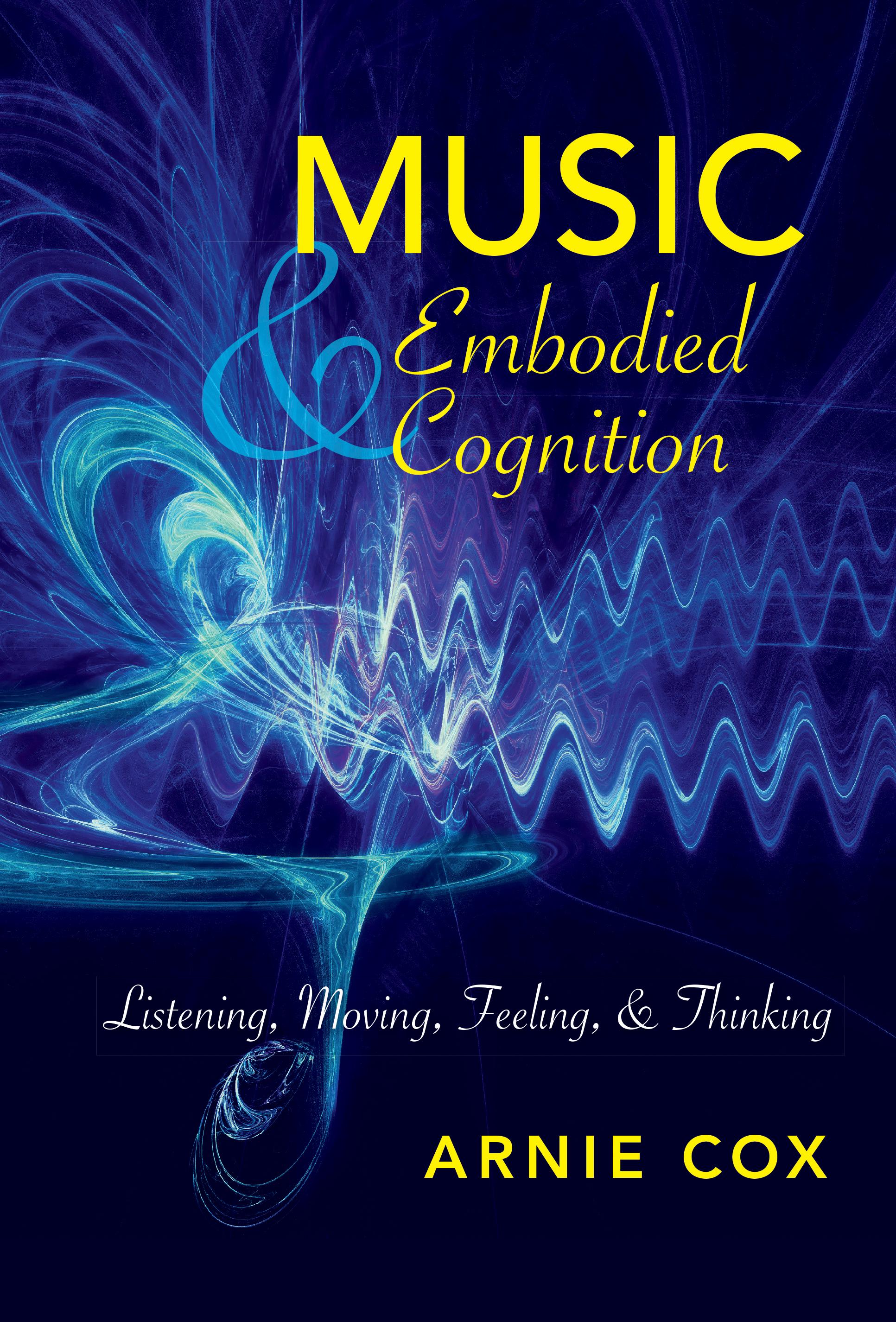
Taking a cognitive approach to musical meaning, Arnie Cox explores embodied experiences of hearing music as those that move us both consciously and unconsciously. In this pioneering study that draws on neuroscience and music theory, phenomenology and cognitive science, Cox advances his theory of the "mimetic hypothesis," the notion that a large part of our experience and understanding of music involves an embodied imitation in the listener of bodily motions and exertions that are involved in producing music. Through an often unconscious imitation of action and sound, we feel the music as it moves and grows. With applications to tonal and post-tonal Western classical music, to Western vernacular music, and to non-Western music, Cox's work stands to expand the range of phenomena that can be explained by the role of sensory, motor, and affective aspects of human experience and cognition.
Zahle einfach mit Karte, Klarna, Apple Pay oder Google Pay. Nicht zufrieden? Du hast immer ein 14-tägiges Widerrufsrecht. Lies mehr in unseren AGB. Hast du Fragen, schreib uns eine E-Mail an hello@memmo.org.
Memmo macht das Lernen einfacher – wo auch immer du bist. Bei uns findest du deine Kursbücher und smarte Lerntools an einem Ort: Zusammenfassungen, Quizzes, Podcasts und Lernkarten. Und Ted, dein Lernbuddy, beantwortet alles, was du wissen möchtest. Über 50.000 Studierende lernen bereits hier – gemacht, damit du schneller lernst und weniger Stress hast.