
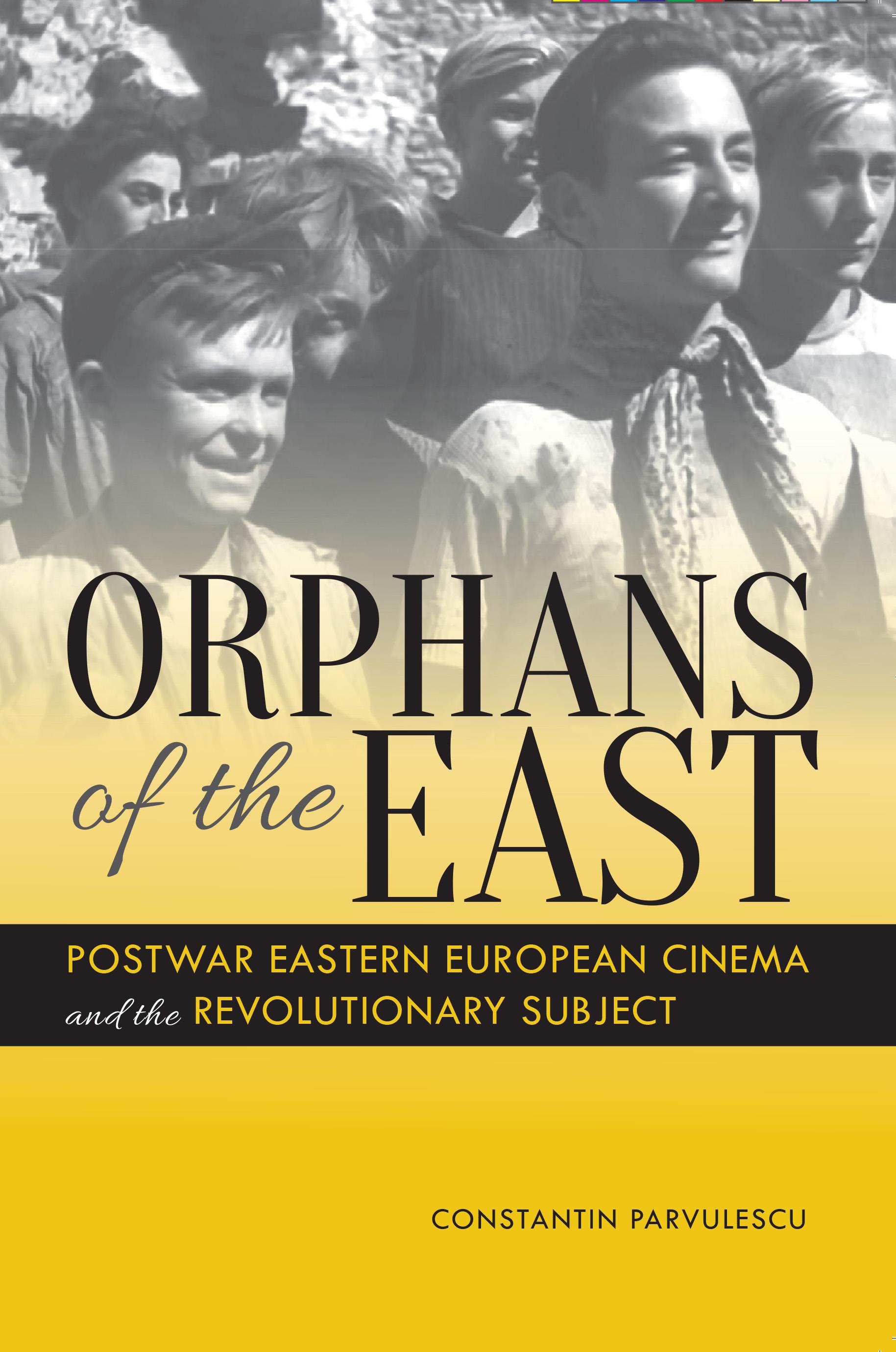
Unlike the benevolent orphan found in Charlie Chaplin's The Kid or the sentimentalized figure of Little Orphan Annie, the orphan in postwar Eastern European cinema takes on a more politically fraught role, embodying the tensions of individuals struggling to recover from war and grappling with an unknown future under Soviet rule. By exploring films produced in postwar Hungary, the German Democratic Republic, Czechoslovakia, Romania, and Poland, Parvulescu traces the way in which cinema envisioned and debated the condition of the post-World War II subject and the "new man" of Soviet-style communism. In these films, the orphan becomes a cinematic trope that interrogates socialist visions of ideological institutionalization and re-education and stands as a silent critic of the system's shortcomings or as a resilient spirit who has resisted capture by the political apparatus of the new state.
Zahle einfach mit Karte, Klarna, Apple Pay oder Google Pay. Nicht zufrieden? Du hast immer ein 14-tägiges Widerrufsrecht. Lies mehr in unseren AGB. Hast du Fragen, schreib uns eine E-Mail an hello@memmo.org.
Memmo macht das Lernen einfacher – wo auch immer du bist. Bei uns findest du deine Kursbücher und smarte Lerntools an einem Ort: Zusammenfassungen, Quizzes, Podcasts und Lernkarten. Und Ted, dein Lernbuddy, beantwortet alles, was du wissen möchtest. Über 50.000 Studierende lernen bereits hier – gemacht, damit du schneller lernst und weniger Stress hast.