
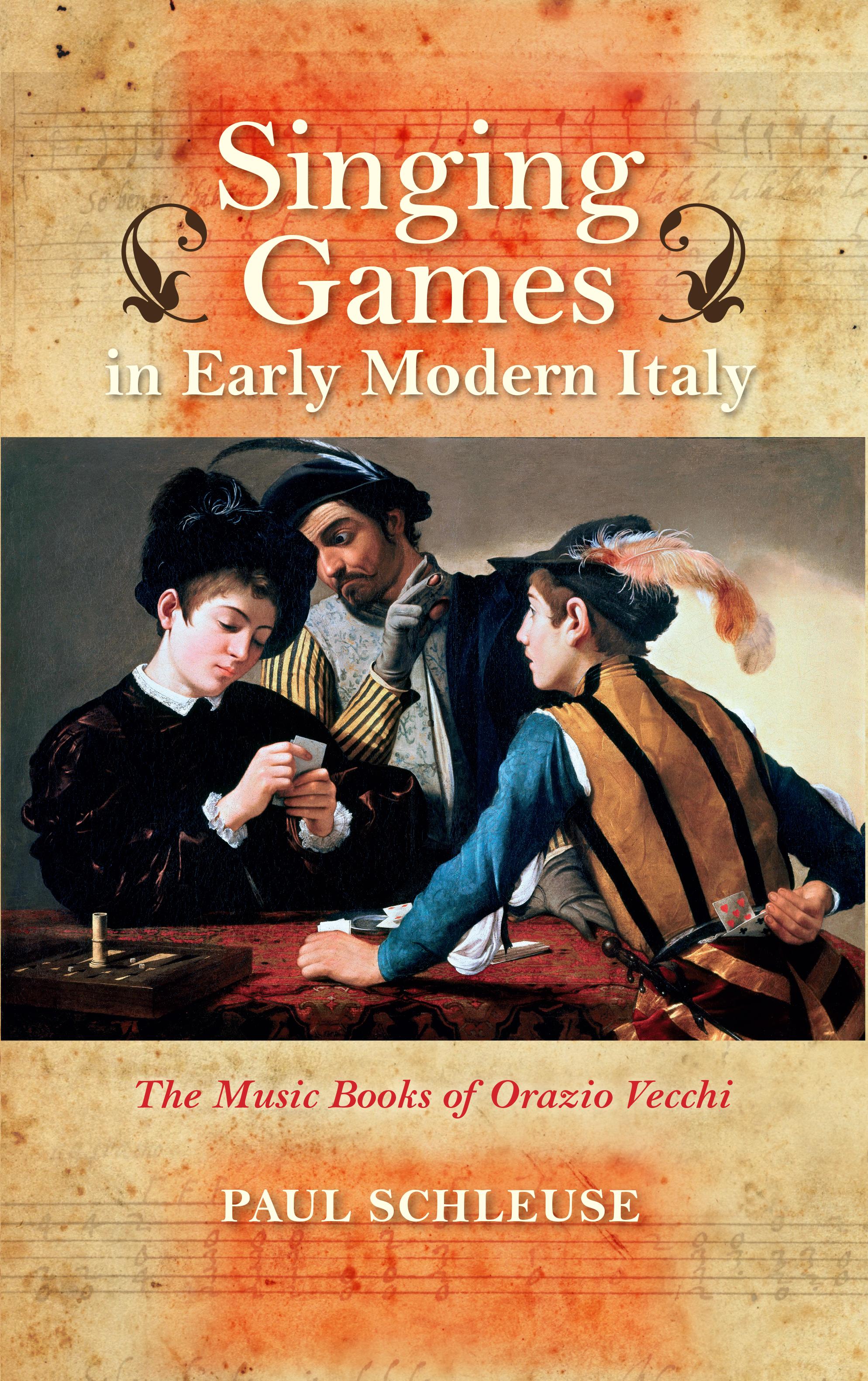
In Italy during the late cinquecento, printed music could be found not only in the homes of the wealthy or the music professional, but also in lay homes, courts, and academies. No longer confined to the salons of the elite, music took on the role of social play and recreation. Paul Schleuse examines these new musical forms through a study of the music books of Italian priest, poet, and composer, Orazio Vecchi. Composed for minor patrons and the wider music-buying public, Vecchi's madrigals took as their subjects game-playing, drinking, hunting, battles, and the life of the street. Schleuse looks at how music and game-playing allowed singers and performers to play the roles of exemplary pastoral characters and also comic, foreign, and "rustic" others in ways that defined and ultimately reinforced social norms of the times. His findings reposition Orazio Vecchi as one of the most innovative composers of the late 16th century.
Zahle einfach mit Karte, Klarna, Apple Pay oder Google Pay. Nicht zufrieden? Du hast immer ein 14-tägiges Widerrufsrecht. Lies mehr in unseren AGB. Hast du Fragen, schreib uns eine E-Mail an hello@memmo.org.
Memmo macht das Lernen einfacher – wo auch immer du bist. Bei uns findest du deine Kursbücher und smarte Lerntools an einem Ort: Zusammenfassungen, Quizzes, Podcasts und Lernkarten. Und Ted, dein Lernbuddy, beantwortet alles, was du wissen möchtest. Über 50.000 Studierende lernen bereits hier – gemacht, damit du schneller lernst und weniger Stress hast.