
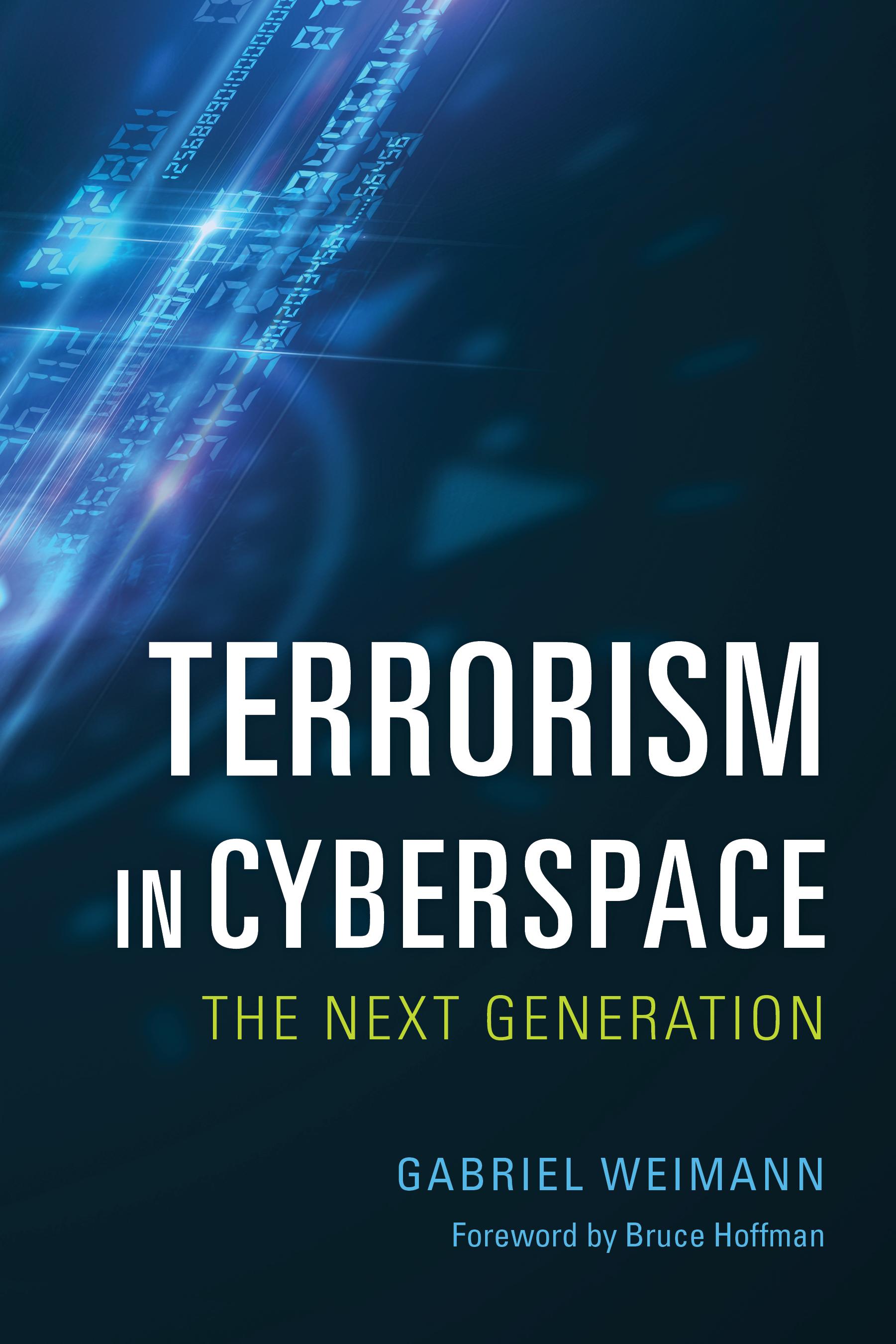
The war on terrorism has not been won, Gabriel Weimann argues in Terrorism in Cyberspace, the successor to his seminal Terror on the Internet. Even though al-Qaeda's leadership has been largely destroyed and its organization disrupted, terrorist attacks take 12,000 lives annually worldwide, and jihadist terrorist ideology continues to spread. How? Largely by going online and adopting a new method of organization. Terrorist structures, traditionally consisting of loose-net cells, divisions, and subgroups, are ideally suited for flourishing on the Internet through websites, e-mail, chat rooms, e-groups, forums, virtual message boards, YouTube, Google Earth, and other outlets. Terrorist websites, including social media platforms, now number close to 10,000.
This book addresses three major questions: why and how terrorism went online; what recent trends can be discerned—such as engaging children and women, promoting lone wolf attacks, and using social media; and what future threats can be expected, along with how they can be reduced or countered. To answer these questions, Terrorism in Cyberspace analyzes content from more than 9,800 terrorist websites, and Weimann, who has been studying terrorism online since 1998, selects the most important kinds of web activity, describes their background and history, and surveys their content in terms of kind and intensity, the groups and prominent individuals involved, and effects. He highlights cyberterrorism against financial, governmental, and engineering infrastructure; efforts to monitor, manipulate, and disrupt terrorists' online efforts; and threats to civil liberties posed by ill-directed efforts to suppress terrorists' online activities as future, worrisome trends.
Zahle einfach mit Karte, Klarna, Apple Pay oder Google Pay. Nicht zufrieden? Du hast immer ein 14-tägiges Widerrufsrecht. Lies mehr in unseren AGB. Hast du Fragen, schreib uns eine E-Mail an hello@memmo.org.
Memmo macht das Lernen einfacher – wo auch immer du bist. Bei uns findest du deine Kursbücher und smarte Lerntools an einem Ort: Zusammenfassungen, Quizzes, Podcasts und Lernkarten. Und Ted, dein Lernbuddy, beantwortet alles, was du wissen möchtest. Über 50.000 Studierende lernen bereits hier – gemacht, damit du schneller lernst und weniger Stress hast.