
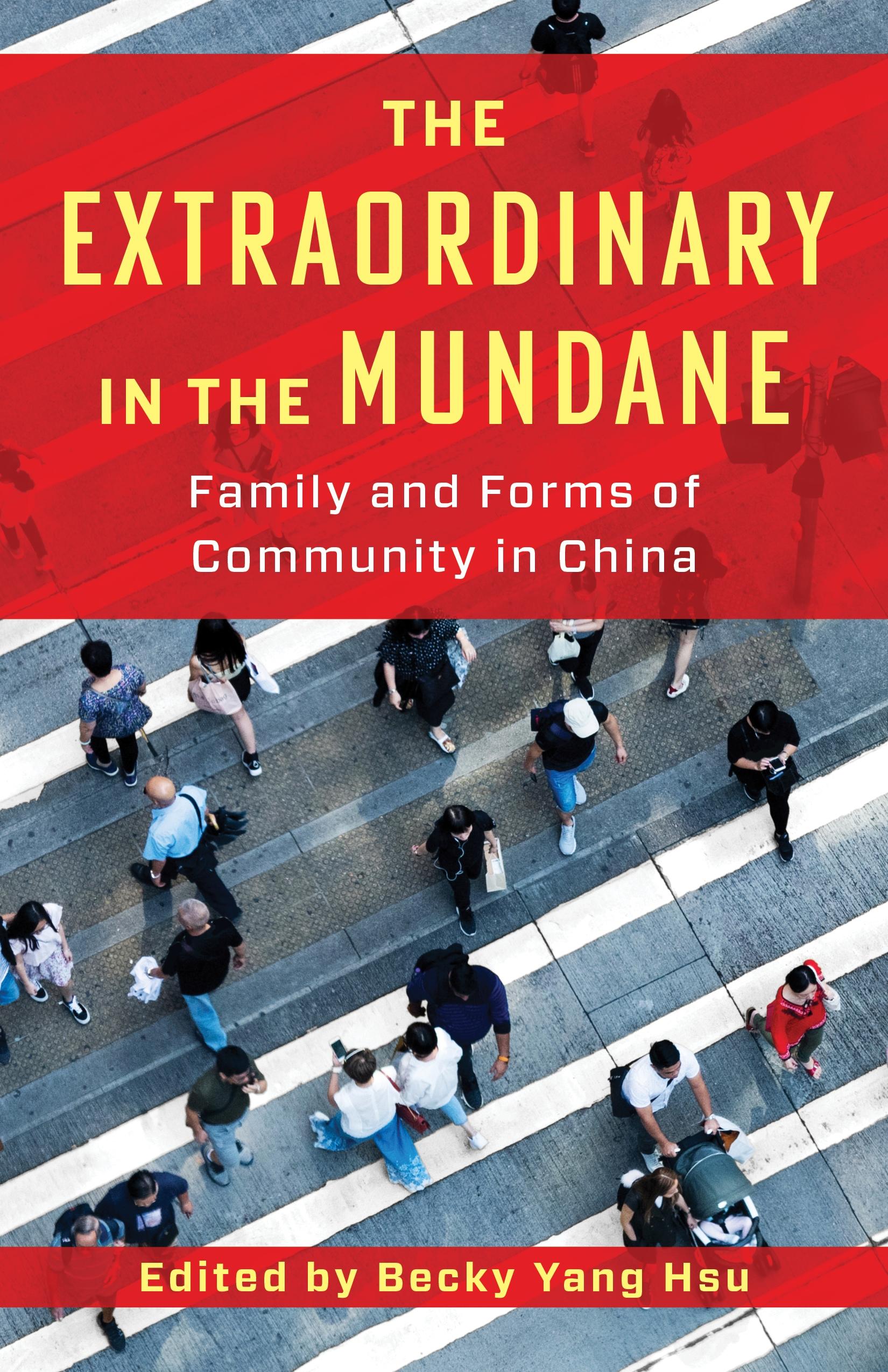
How do individuals address serious challenges in a context where organized gatherings are subject to strict government control? This book brings together a diverse group of scholars to explore the many ways people in China self-organize and create varied forms of coordination to solve important problems.
Through compelling, detail-rich case studies, The Extraordinary in the Mundane shows that family structures and networks deeply shape these modes of association. Because the public-private dichotomy does not resonate with many people in China, they rely on informal social ties, not formal organizations or state agencies, to confront personal challenges. Chapters present vivid ethnographic portraits that consider both positive and negative aspects of community formation. A woman with an autistic child creates an organization to advocate for inclusion of neurodivergent children in public schools. A trainee in a psychological counseling course finds mutual support among other participants. A boy is taken by his father to an internet addiction treatment camp that aims to restructure family interactions. A woman in her seventies shows off the burial clothes she prepared for herself, to the admiration of a group of friends. Offering a glimpse into the unofficial realities that often remain off the record, this book provides a wide-ranging and timely examination of the varieties of civic action in contemporary China.
Zahle einfach mit Karte, Klarna, Apple Pay oder Google Pay. Nicht zufrieden? Du hast immer ein 14-tägiges Widerrufsrecht. Lies mehr in unseren AGB. Hast du Fragen, schreib uns eine E-Mail an hello@memmo.org.
Memmo macht das Lernen einfacher – wo auch immer du bist. Bei uns findest du deine Kursbücher und smarte Lerntools an einem Ort: Zusammenfassungen, Quizzes, Podcasts und Lernkarten. Und Ted, dein Lernbuddy, beantwortet alles, was du wissen möchtest. Über 50.000 Studierende lernen bereits hier – gemacht, damit du schneller lernst und weniger Stress hast.