
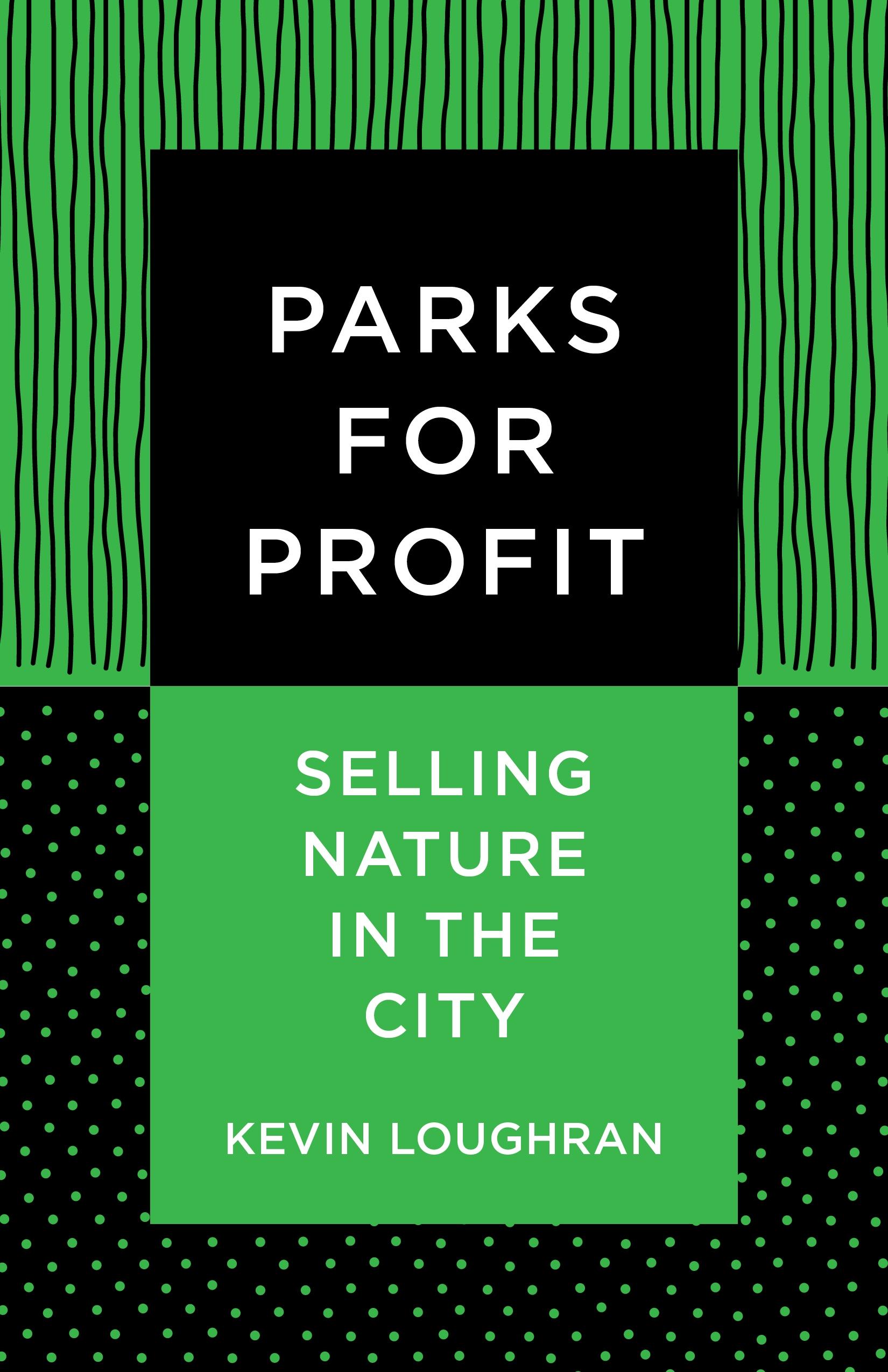
A new kind of city park has emerged in the early twenty-first century. Postindustrial parks transform the derelict remnants of an urban past into distinctive public spaces that meld repurposed infrastructure, wild-looking green space, and landscape architecture. For their proponents, they present an opportunity to turn disused areas into neighborhood anchors, with a host of environmental and community benefits. Yet there are clear economic motives as well—successful parks have helped generate billions of dollars of city tax revenues and real estate development.
Kevin Loughran explores the High Line in New York, the Bloomingdale Trail/606 in Chicago, and Buffalo Bayou Park in Houston to offer a critical perspective on the rise of the postindustrial park. He reveals how elites deploy the popularity and seemingly benign nature of parks to achieve their cultural, political, and economic goals. As urban economies have become restructured around finance, real estate, tourism, and cultural consumption, parks serve as civic shields for elite-oriented investment. Tracing changing ideas about cities and nature and underscoring the centrality of race and class, Loughran argues that postindustrial parks aestheticize past disinvestment while serving as green engines of gentrification.
A wide-ranging investigation of the political, cultural, and economic forces shaping park development, Parks for Profit reveals the social inequalities at the heart of today’s new urban landscape.
Zahle einfach mit Karte, Klarna, Apple Pay oder Google Pay. Nicht zufrieden? Du hast immer ein 14-tägiges Widerrufsrecht. Lies mehr in unseren AGB. Hast du Fragen, schreib uns eine E-Mail an hello@memmo.org.
Memmo macht das Lernen einfacher – wo auch immer du bist. Bei uns findest du deine Kursbücher und smarte Lerntools an einem Ort: Zusammenfassungen, Quizzes, Podcasts und Lernkarten. Und Ted, dein Lernbuddy, beantwortet alles, was du wissen möchtest. Über 50.000 Studierende lernen bereits hier – gemacht, damit du schneller lernst und weniger Stress hast.