
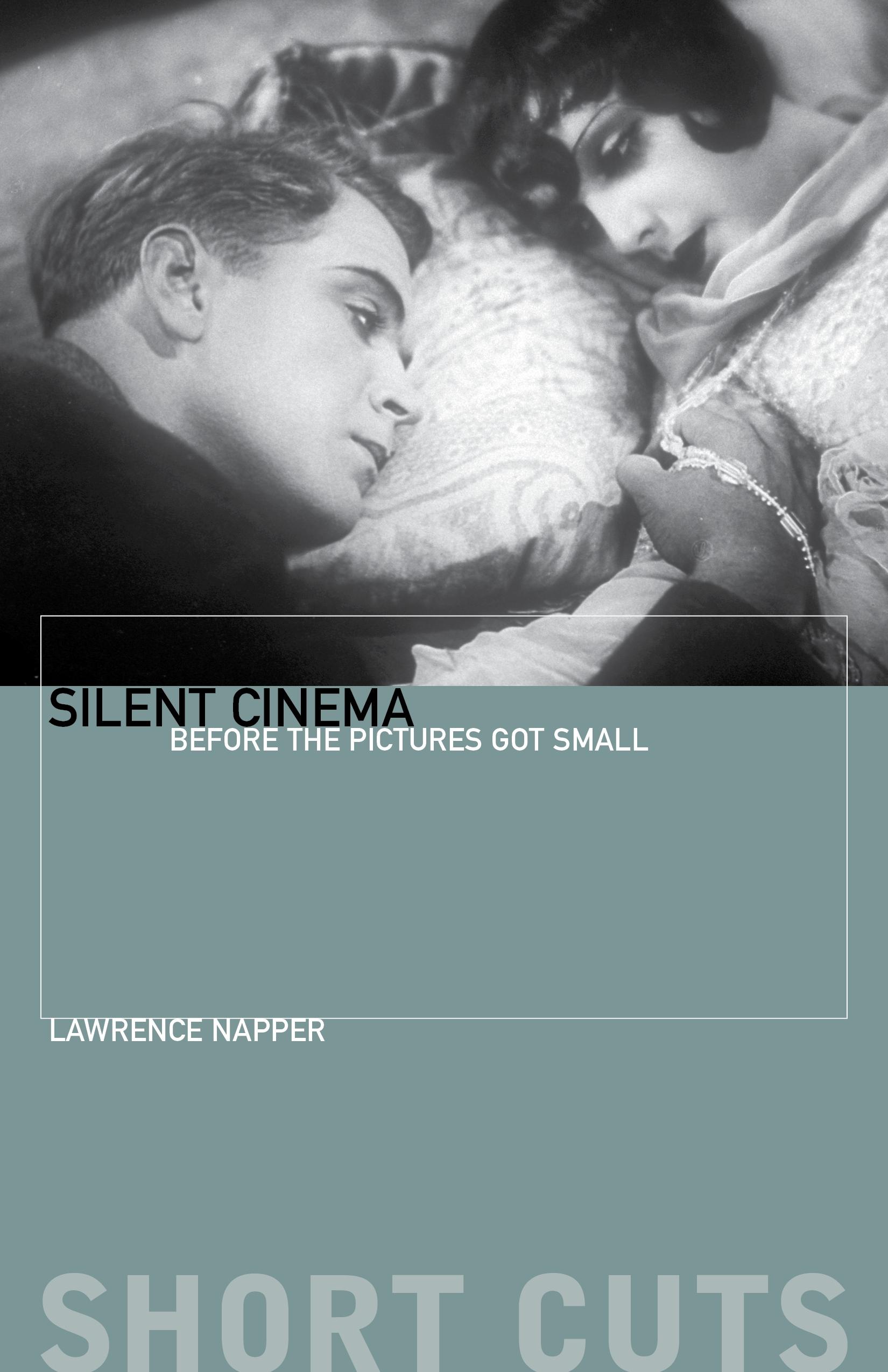
Since the spectacular success of The Artist (2011) there has been a resurgence of interest in silent cinema, and particularly in the lush and passionate screen dramas of the 1920s. This book offers an introduction to the cinema of this extraordinary period, outlining the development of the form between the end of the First World War and the introduction of synchronized sound at the end of the 1920s. Lawrence Napper addresses the relationship between film aesthetics and the industrial and political contexts of film production through a series of case studies of "national" cinemas. It also focuses on film-going as the most popular leisure activity of the age. Topics such as the star system, cinema buildings, musical accompaniments, film fashions, and fan cultures are addressed—all the elements that ensured that the experience of the pictures was "big." The international dominance of Hollywood is outlined, as are the different responses to that dominance in Britain, Germany, and the USSR. Case studies seek to move beyond the familiar silent canon, and include The Oyster Princess (1919), It (1927), Shooting Stars (1927), and The Girl with the Hatbox (1927).
Zahle einfach mit Karte, Klarna, Apple Pay oder Google Pay. Nicht zufrieden? Du hast immer ein 14-tägiges Widerrufsrecht. Lies mehr in unseren AGB. Hast du Fragen, schreib uns eine E-Mail an hello@memmo.org.
Memmo macht das Lernen einfacher – wo auch immer du bist. Bei uns findest du deine Kursbücher und smarte Lerntools an einem Ort: Zusammenfassungen, Quizzes, Podcasts und Lernkarten. Und Ted, dein Lernbuddy, beantwortet alles, was du wissen möchtest. Über 50.000 Studierende lernen bereits hier – gemacht, damit du schneller lernst und weniger Stress hast.
Das könnte dir auch gefallen
Buch kaufen0