
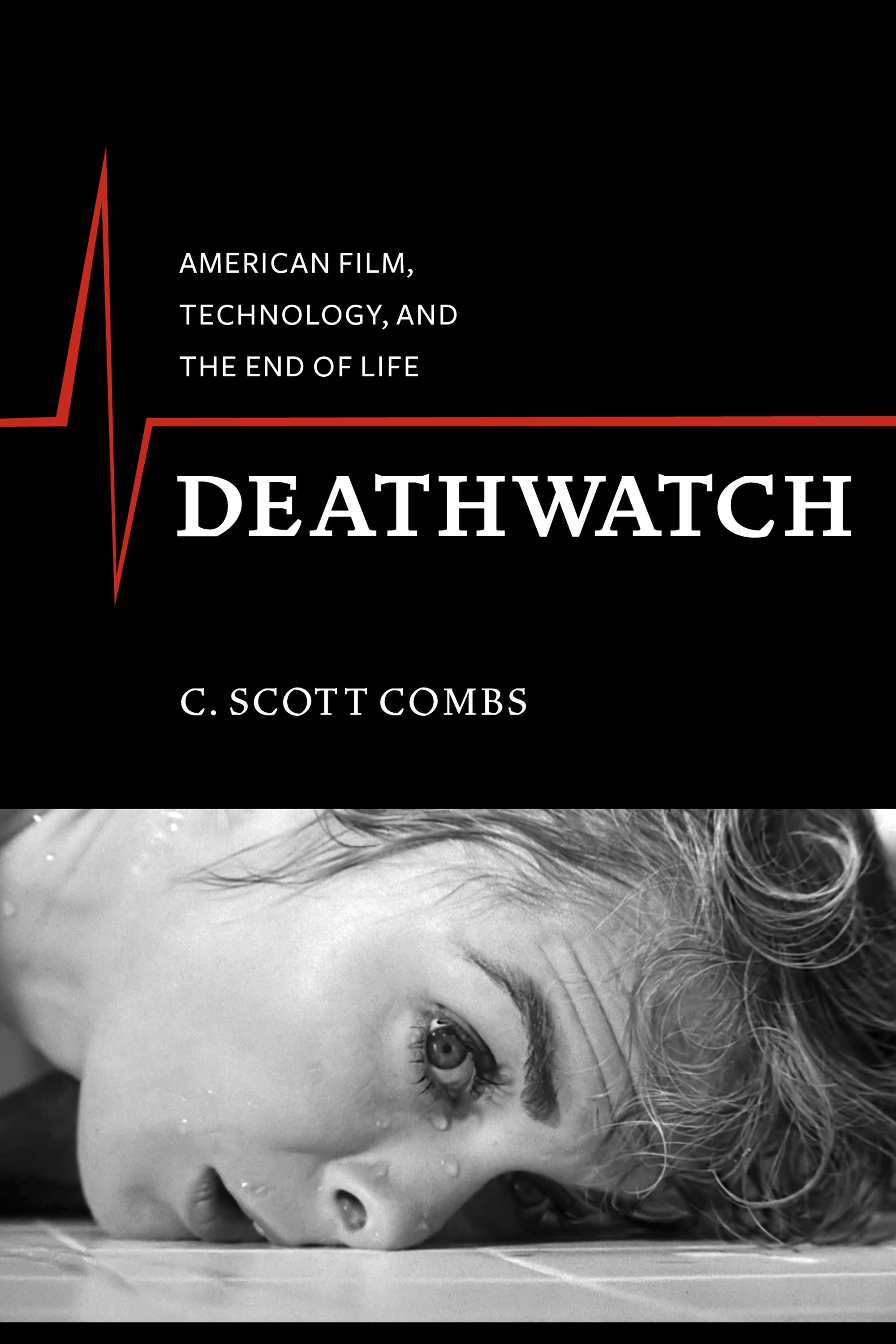
The first book to unpack American cinema's long history of representing death, this work considers movie sequences in which the process of dying becomes an exercise in legibility and exploration for the camera. Reading attractions-based cinema, narrative films, early sound cinema, and films using voiceover or images of medical technology, C. Scott Combs connects the slow or static process of dying to formal film innovation throughout the twentieth century. He looks at Thomas Edison's Electrocuting an Elephant (1903), D. W. Griffith's The Country Doctor (1909), John Ford's How Green Was My Valley (1941), Billy Wilder's Sunset Boulevard (1950), Stanley Kubrick's 2001: A Space Odyssey (1968), and Clint Eastwood's Million Dollar Baby (2004), among other films, to argue against the notion that film cannot capture the end of life because it cannot stop moving forward. Instead, he shows how the end of dying occurs more than once and in more than one place, understanding death in cinema as constantly in flux, wedged between technological precision and embodied perception.
Zahle einfach mit Karte, Klarna, Apple Pay oder Google Pay. Nicht zufrieden? Du hast immer ein 14-tägiges Widerrufsrecht. Lies mehr in unseren AGB. Hast du Fragen, schreib uns eine E-Mail an hello@memmo.org.
Memmo macht das Lernen einfacher – wo auch immer du bist. Bei uns findest du deine Kursbücher und smarte Lerntools an einem Ort: Zusammenfassungen, Quizzes, Podcasts und Lernkarten. Und Ted, dein Lernbuddy, beantwortet alles, was du wissen möchtest. Über 50.000 Studierende lernen bereits hier – gemacht, damit du schneller lernst und weniger Stress hast.
Das könnte dir auch gefallen
Buch kaufen0