
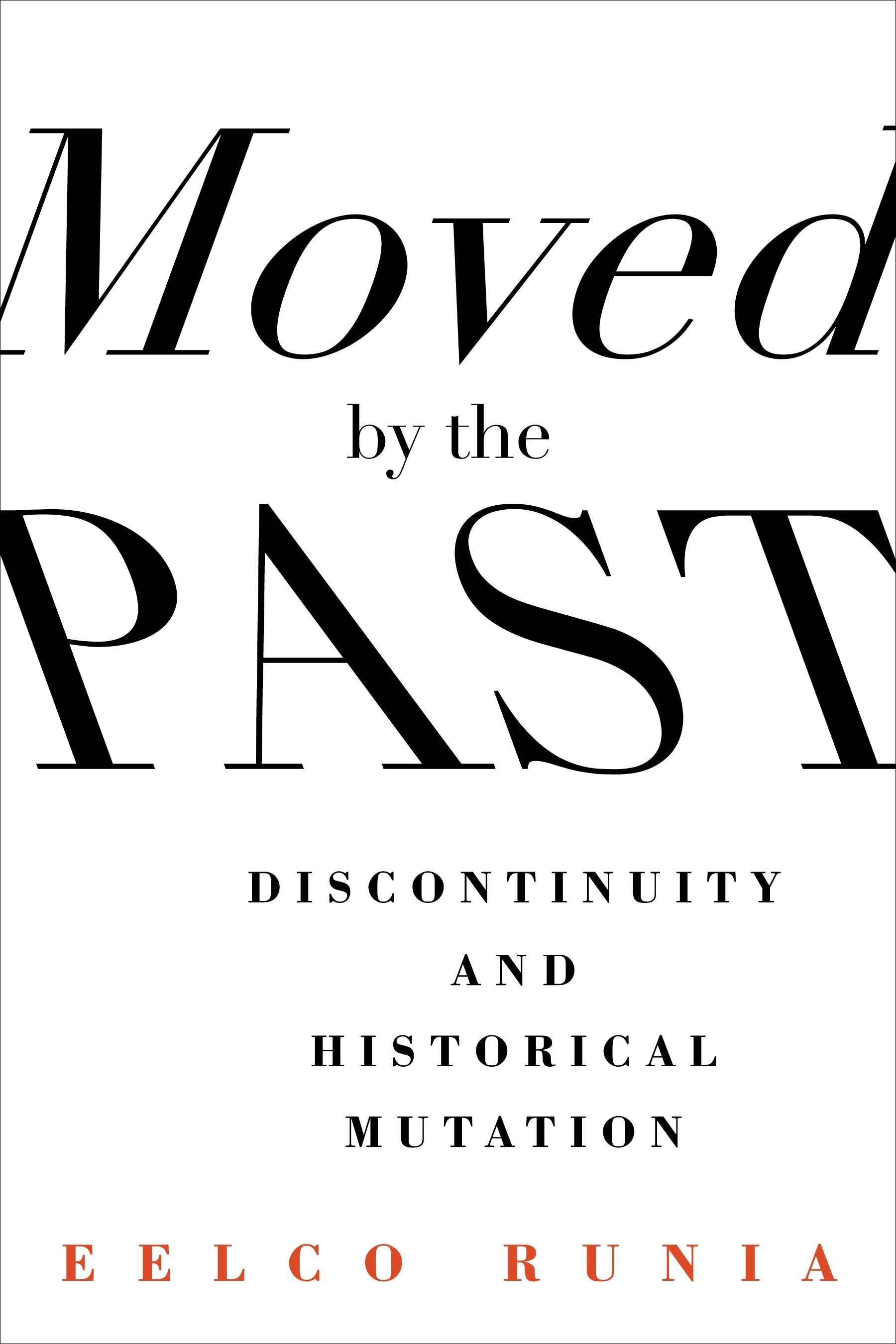
Historians go to great lengths to avoid confronting discontinuity, searching for explanations as to why such events as the fall of the Berlin Wall, George W. Bush's invasion of Iraq, and the introduction of the euro logically develop from what came before. Moved by the Past radically breaks with this tradition of predating the past, incites us to fully acknowledge the discontinuous nature of discontinuities, and proposes to use the fact that history is propelled by unforeseeable leaps and bounds as a starting point for a truly evolutionary conception of history.
Integrating research from a variety of disciplines, Eelco Runia identifies two modes of being "moved by the past": regressive and revolutionary. In the regressive mode, the past may either overwhelm us—as in nostalgia—or provoke us to act out what we believe to be solidly dead. When we are moved by the past in a revolutionary sense, we may be said to embody history: we burn our bridges behind us and create accomplished facts we have no choice but to live up to. In the final thesis of Moved by the Past, humans energize their own evolution by habitually creating situations ("catastrophes" or sublime historical events) that put a premium on mutations. This book therefore illuminates how every now and then we chase ourselves away from what we were and force ourselves to become what we are. Proposing a simple yet radical change in perspective, Runia profoundly reorients how we think and theorize about history.
Zahle einfach mit Karte, Klarna, Apple Pay oder Google Pay. Nicht zufrieden? Du hast immer ein 14-tägiges Widerrufsrecht. Lies mehr in unseren AGB. Hast du Fragen, schreib uns eine E-Mail an hello@memmo.org.
Memmo macht das Lernen einfacher – wo auch immer du bist. Bei uns findest du deine Kursbücher und smarte Lerntools an einem Ort: Zusammenfassungen, Quizzes, Podcasts und Lernkarten. Und Ted, dein Lernbuddy, beantwortet alles, was du wissen möchtest. Über 50.000 Studierende lernen bereits hier – gemacht, damit du schneller lernst und weniger Stress hast.