
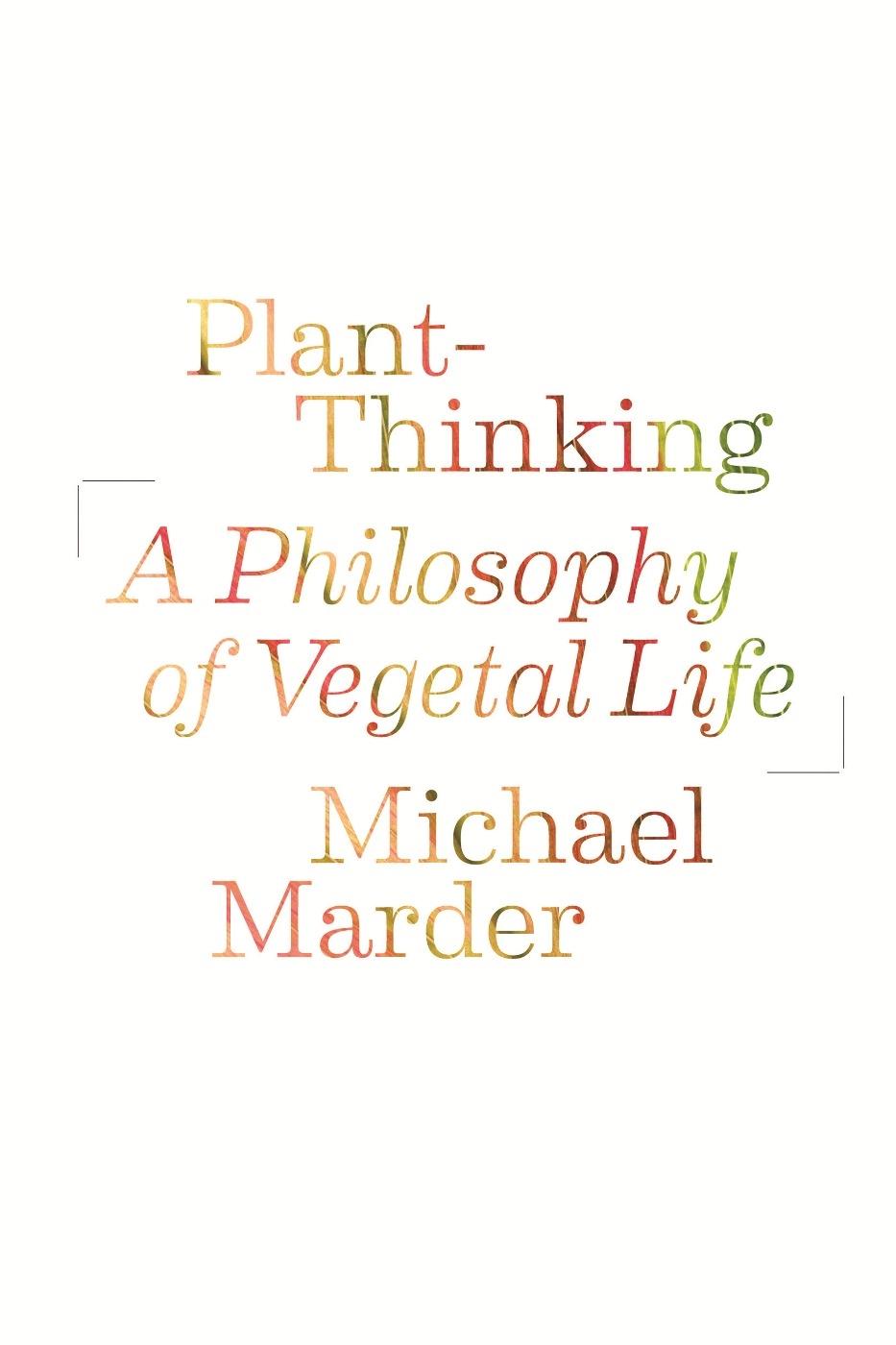
The margins of philosophy are populated by non-human, non-animal living beings, including plants. While contemporary philosophers tend to refrain from raising ontological and ethical concerns with vegetal life, Michael Marder puts this life at the forefront of the current deconstruction of metaphysics. He identifies the existential features of plant behavior and the vegetal heritage of human thought so as to affirm the potential of vegetation to resist the logic of totalization and to exceed the narrow confines of instrumentality. Reconstructing the life of plants "after metaphysics," Marder focuses on their unique temporality, freedom, and material knowledge or wisdom. In his formulation, "plant-thinking" is the non-cognitive, non-ideational, and non-imagistic mode of thinking proper to plants, as much as the process of bringing human thought itself back to its roots and rendering it plantlike.
Zahle einfach mit Karte, Klarna, Apple Pay oder Google Pay. Nicht zufrieden? Du hast immer ein 14-tägiges Widerrufsrecht. Lies mehr in unseren AGB. Hast du Fragen, schreib uns eine E-Mail an hello@memmo.org.
Memmo macht das Lernen einfacher – wo auch immer du bist. Bei uns findest du deine Kursbücher und smarte Lerntools an einem Ort: Zusammenfassungen, Quizzes, Podcasts und Lernkarten. Und Ted, dein Lernbuddy, beantwortet alles, was du wissen möchtest. Über 50.000 Studierende lernen bereits hier – gemacht, damit du schneller lernst und weniger Stress hast.
Das könnte dir auch gefallen
Buch kaufen0