
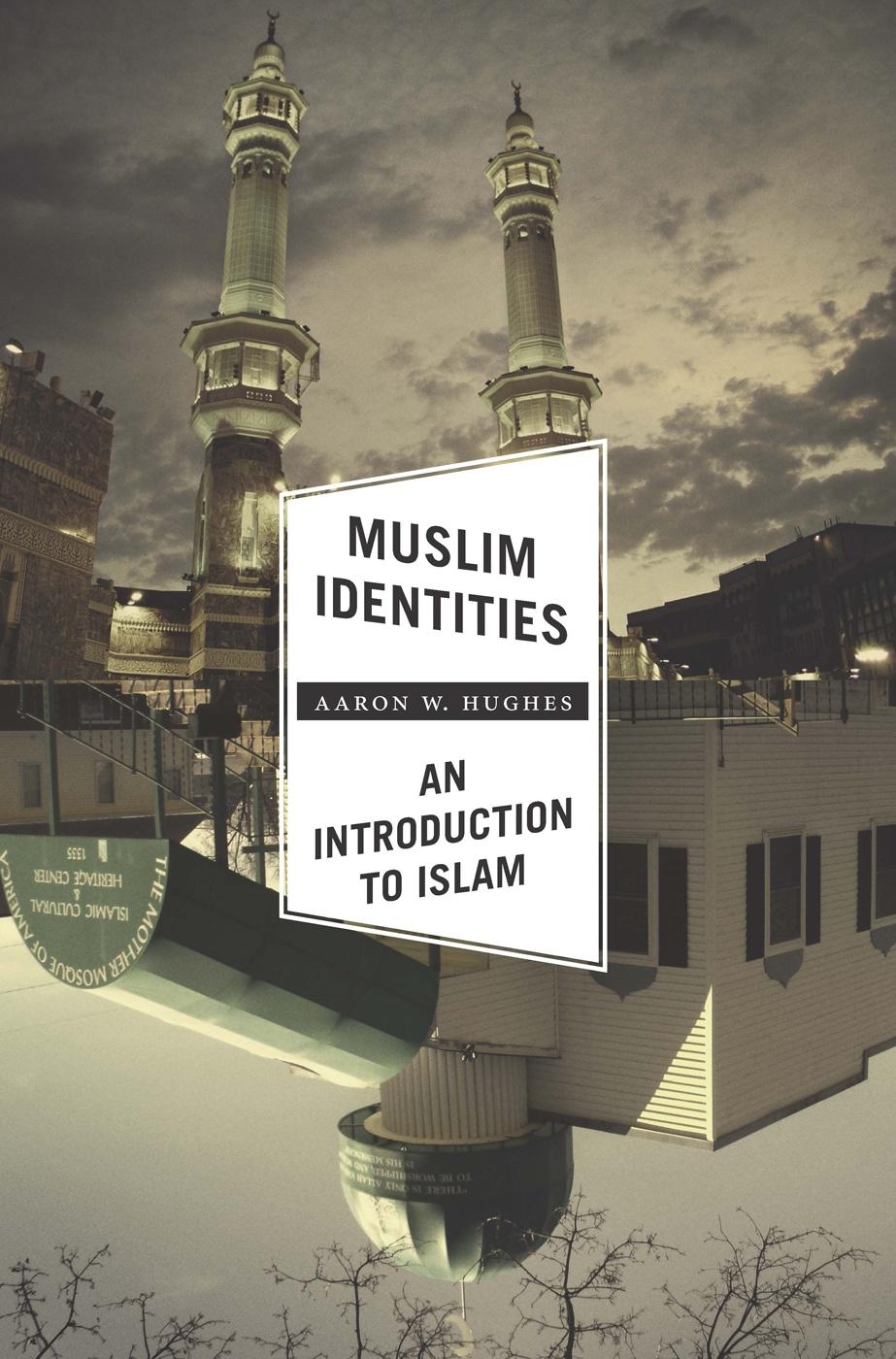
Rather than focus solely on theological concerns, this well-rounded introduction takes an expansive view of Islamic ideology, culture, and tradition, sourcing a range of historical, sociological, and literary perspectives. Neither overly critical nor apologetic, this book reflects the rich diversity of Muslim identities across the centuries and counters the unflattering, superficial portrayals of Islam that are shaping public discourse today.
Aaron W. Hughes uniquely traces the development of Islam in relation to historical, intellectual, and cultural influences, enriching his narrative with the findings, debates, and methodologies of related disciplines, such as archaeology, history, and Near Eastern studies. Hughes's work challenges the dominance of traditional terms and concepts in religious studies, recasting religion as a set of social and cultural facts imagined, manipulated, and contested by various actors and groups over time. Making extensive use of contemporary identity theory, Hughes rethinks the teaching of Islam and religions in general and helps facilitate a more critical approach to Muslim sources. For readers seeking a non-theological, unbiased, and richly human portrait of Islam, as well as a strong grasp of Islamic study's major issues and debates, this textbook is a productive, progressive alternative to more classic surveys.
Zahle einfach mit Karte, Klarna, Apple Pay oder Google Pay. Nicht zufrieden? Du hast immer ein 14-tägiges Widerrufsrecht. Lies mehr in unseren AGB. Hast du Fragen, schreib uns eine E-Mail an hello@memmo.org.
Memmo macht das Lernen einfacher – wo auch immer du bist. Bei uns findest du deine Kursbücher und smarte Lerntools an einem Ort: Zusammenfassungen, Quizzes, Podcasts und Lernkarten. Und Ted, dein Lernbuddy, beantwortet alles, was du wissen möchtest. Über 50.000 Studierende lernen bereits hier – gemacht, damit du schneller lernst und weniger Stress hast.